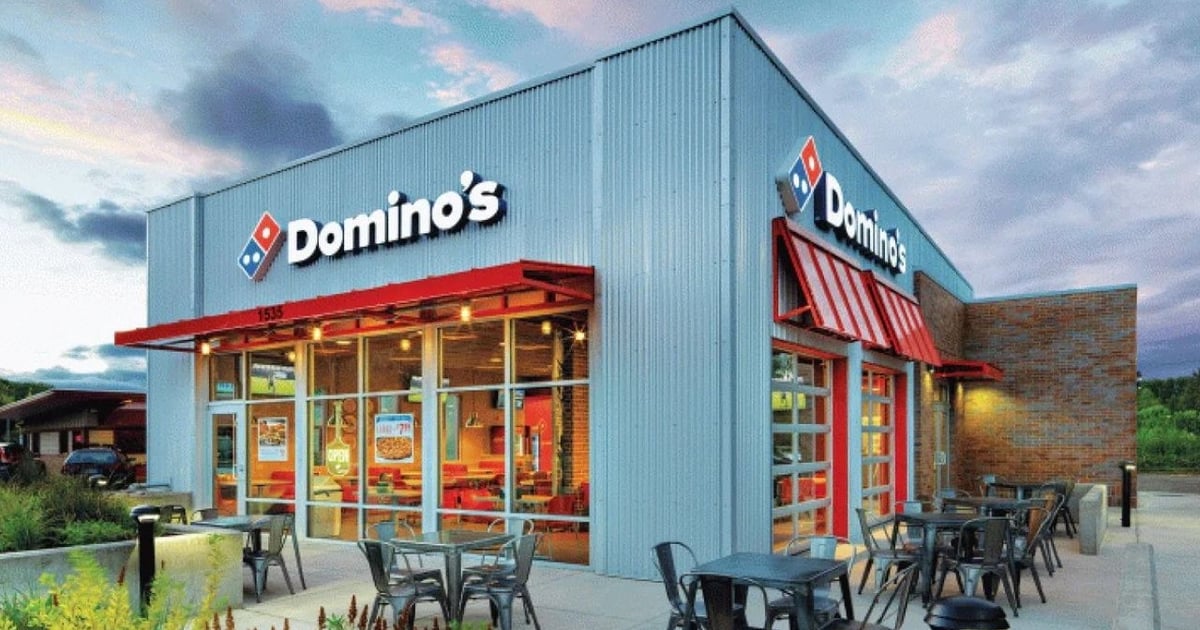
Domino’s Q1 missed expectations, with U.S. same-store sales up 0.9%, international same-store sales down 0.4%, and shares falling more than 9% intraday. Management kept its 2026 U.S. same-store sales target at 3% and expects 175 new stores this year, supported by carryout growth of 2.4% and new app, Pizza Tracker, and back-of-house AI tools. However, the quarter was pressured by weak consumer sentiment, inflation, weather, and intensified discount competition from Papa Johns and Pizza Hut.
The market is treating this as a demand miss, but the more interesting signal is that the company is defending share through mechanics, not just price. The back-of-house AI and tighter ready-time orchestration should lift throughput and reduce waste first, with margin benefits showing up before the top-line fully re-accelerates. That creates a second-order winner in franchise economics: if labor minutes per order fall and delivery utilization improves, operators can preserve unit economics even in a softer traffic environment.
The competitive read-through is more important than the quarter itself. If the category’s value architecture keeps normalizing, the highest-risk players are those with weaker brand-differentiated convenience or higher delivery dependence, because they will be forced to match discounts without Domino’s scale advantage in systems and logistics. The real bear case for DPZ is not one weak quarter; it is that carryout momentum caps delivery mix and slows average ticket expansion, which can limit long-duration earnings power even if same-store sales recover.
The contrarian view is that consensus may be underestimating how much of this is a timing issue versus a structural demand break. A stronger innovation calendar in the next 1-2 quarters can produce a visible inflection if the value message lands into a still-stressed consumer; in that setup, the stock’s de-rating can reverse quickly because the market is already positioned for a prolonged slowdown. The key tail risk is that the AI and app upgrades improve execution but fail to stimulate incremental traffic, leaving investors with better operations but no multiple support.
AI-powered research, real-time alerts, and portfolio analytics for institutional investors.
Request DemoOverall Sentiment
mildly negative
Sentiment Score
-0.15
Ticker Sentiment
