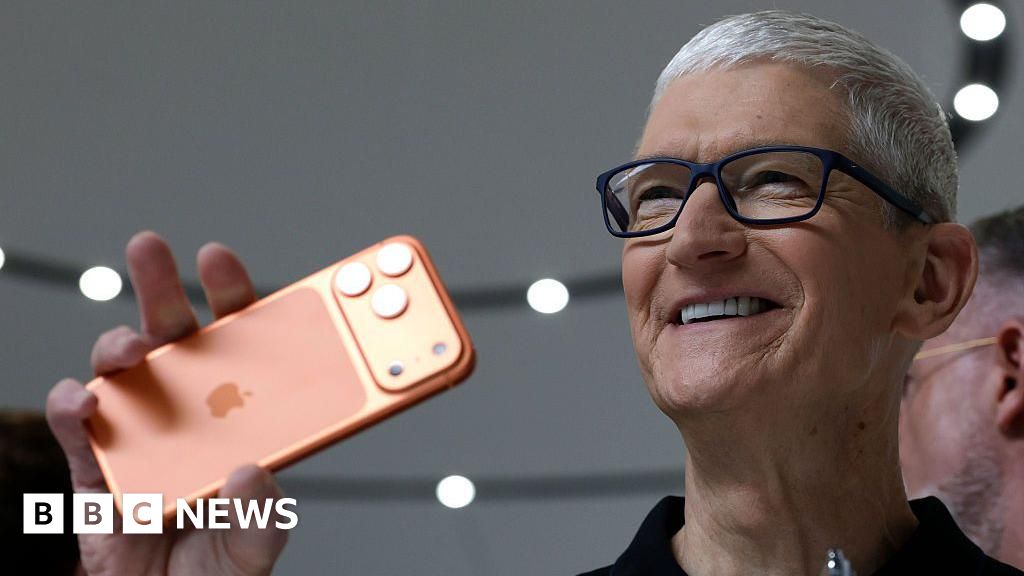
Apple said price increases are now 'unavoidable' as memory chip costs have surged, with RAM prices more than doubling since October 2025 and new iPhones potentially costing up to $150 more than the iPhone 17. The company is also facing broader chip supply pressure from AI-driven demand and semiconductor input cost inflation, while Apple devices still posted 17% sales growth in the first three months of 2026. The news points to margin pressure and higher consumer prices across Apple’s product lineup ahead of the iPhone 18 launch.
The immediate margin pressure is less about Apple’s brand power and more about its unusually high exposure to premium-memory content per device. That creates a near-term squeeze: if Apple passes costs through, unit elasticity matters most in the mid-tier and in China, where upgrade cycles are already longer; if it absorbs costs, gross margin compression will show up first in the quarter after launch, not over a full-year basis. The bigger second-order effect is that Apple’s pricing move normalizes higher BOM costs across the sector, making it easier for every OEM to reprice without looking like an outlier.
For suppliers, the market is likely underestimating the asymmetry between memory vendors and leading-edge foundries. Memory pricing is the cleaner winner because the bottleneck is inventory and supply discipline, while TSM’s leverage is more muted since advanced-node pricing is usually reset via longer-term contracts and Apple is one of the few customers with negotiating power. Nvidia and AMD are not direct beneficiaries here; if anything, any broad AI memory squeeze is a reminder that the hardware stack is becoming more capital intensive, which can eventually slow the pace of consumer AI feature rollout and compress adoption timelines.
The key risk is that this is not a one-quarter event: if the supply shock persists into the iPhone cycle, Apple may choose lower promotional intensity rather than headline price hikes, which would be worse for volume but less visible in ASP data. The contrarian angle is that the market may be too focused on near-term consumer backlash and not enough on Apple’s ability to protect earnings by trading unit growth for mix and pricing; historically, premium ecosystems can absorb modest price increases better than the market expects. Sony is the clearest read-through on the demand side: higher console pricing in an inflationary environment risks softer attach-rate and slower replacement demand, especially if households start treating discretionary electronics as postponable purchases.
AI-powered research, real-time alerts, and portfolio analytics for institutional investors.
Request DemoOverall Sentiment
moderately negative
Sentiment Score
-0.35
Ticker Sentiment
