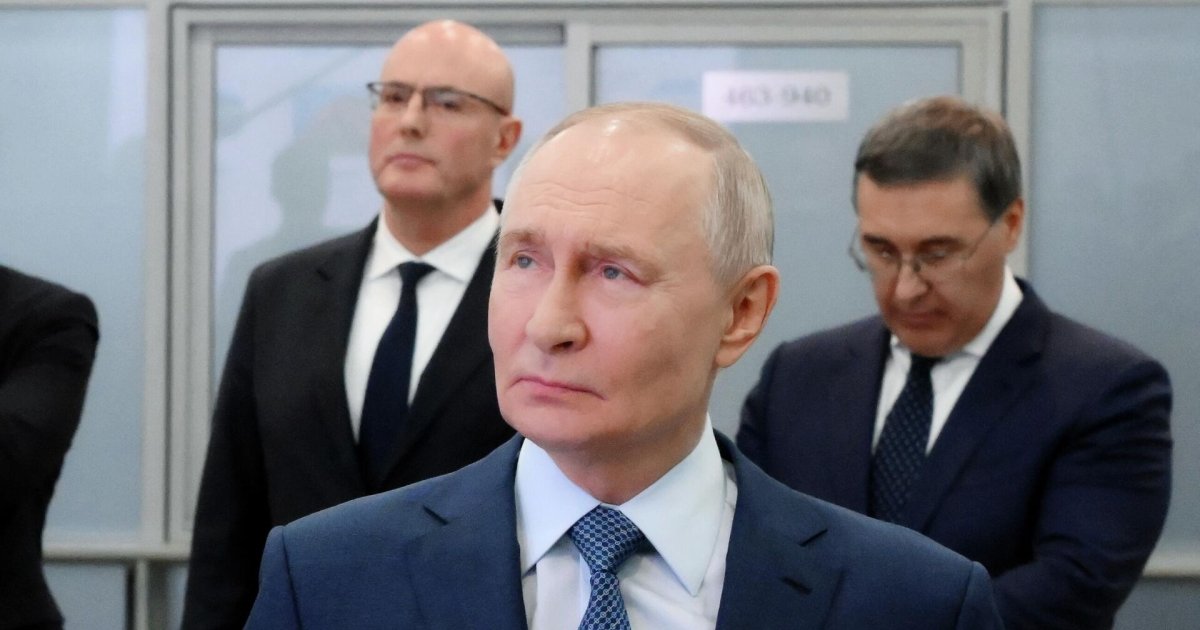
Russian President Vladimir Putin has directed Kremlin support for Iran in the Middle East, with U.S. and Western officials reporting that Moscow is providing intelligence on the locations of American warships and aircraft that could aid attacks on U.S. forces. U.S. officials warn this assistance raises the risk of strikes on American military assets in the region, while President Donald Trump has so far declined to publicly punish or take swift action against Russia. The development increases geopolitical and regional security risk, with potential knock-on effects for defense sentiment and risk-sensitive assets.
Market structure: Near-term winners are defense primes (Lockheed Martin LMT, Northrop Grumman NOC, RTX RTX) and battlefield-intel/satellite suppliers (Maxar MAXR, L3Harris LHX) as risk-premia and procurement optionality increase; losers include airlines (AAL, UAL), regional carriers, travel-related leisure and insurers. Expect a 5–15% re-pricing window for defense equities over 3–6 months if events intensify, and a $3–8/bbl Brent risk premium in acute escalation scenarios. Cross-asset: safe-haven flows should push 2s–10s Treasury yields down ~10–30bps in days, gold (GLD) +3–8%, USD firm versus EM and commodity FX; equity implied volatility to widen 20–50% on headline shocks.
Risk assessment: Tail risks (10–25% probability over 3 months) include direct US-Russia kinetic or cyber escalation, comprehensive secondary sanctions that disrupt commodity flows, and targeted attacks on US assets triggering swift military response. Immediate horizon (days): headline-driven risk-off and commodity spikes; short-term (weeks–months): sanctions and supply-chain shocks; long-term (quarters+): defense capex reallocation and persistent higher oil volatility. Hidden dependencies: US political calculus (administration’s restraint), shipping insurance costs, and satellite/intel access can amplify or mute market moves. Catalysts: verified strikes on US forces, Congressional sanctions votes, or public intelligence disclosures.
Trade implications: Tactical ideas: establish modest sized positions (1–3% NAV each). Long selective defense equities (LMT, RTX) via buy-and-hold with 3–6 month horizon or 3-month call spreads (ATM to +10%) to cap premium; pair trade long LMT / short UAL or AAL (equal dollar) to capture asymmetric upside vs travel weakness. Hedging: buy GLD (1–2%) and a short-dated put on JETS ETF (30–60 day) if VIX >25; add TLT (1–2%) if S&P drops >3% intraday. Energy: only add XLE or short-dated Brent calls if Brent >5% move intraday.
Contrarian angles: Consensus may overpay defense on headlines—procurement lead times and budget politics mean only a subset convert to revenue within 12 months, so prefer option-defined upside (call spreads) over outright leverage. Historical parallels (2019 Gulf incidents) show oil and volatility spikes faded in 4–8 weeks absent broader war; set triggers to unwind: close risk-on defense add if VIX reverts <18 or Brent retreats >7% from spike. Monitor three thresholds: verified attack on US asset (high alert), Congressional sanctions passage (policy shift), Brent >$95 (add energy exposure).
AI-powered research, real-time alerts, and portfolio analytics for institutional investors.
Request TrialOverall Sentiment
moderately negative
Sentiment Score
-0.45
