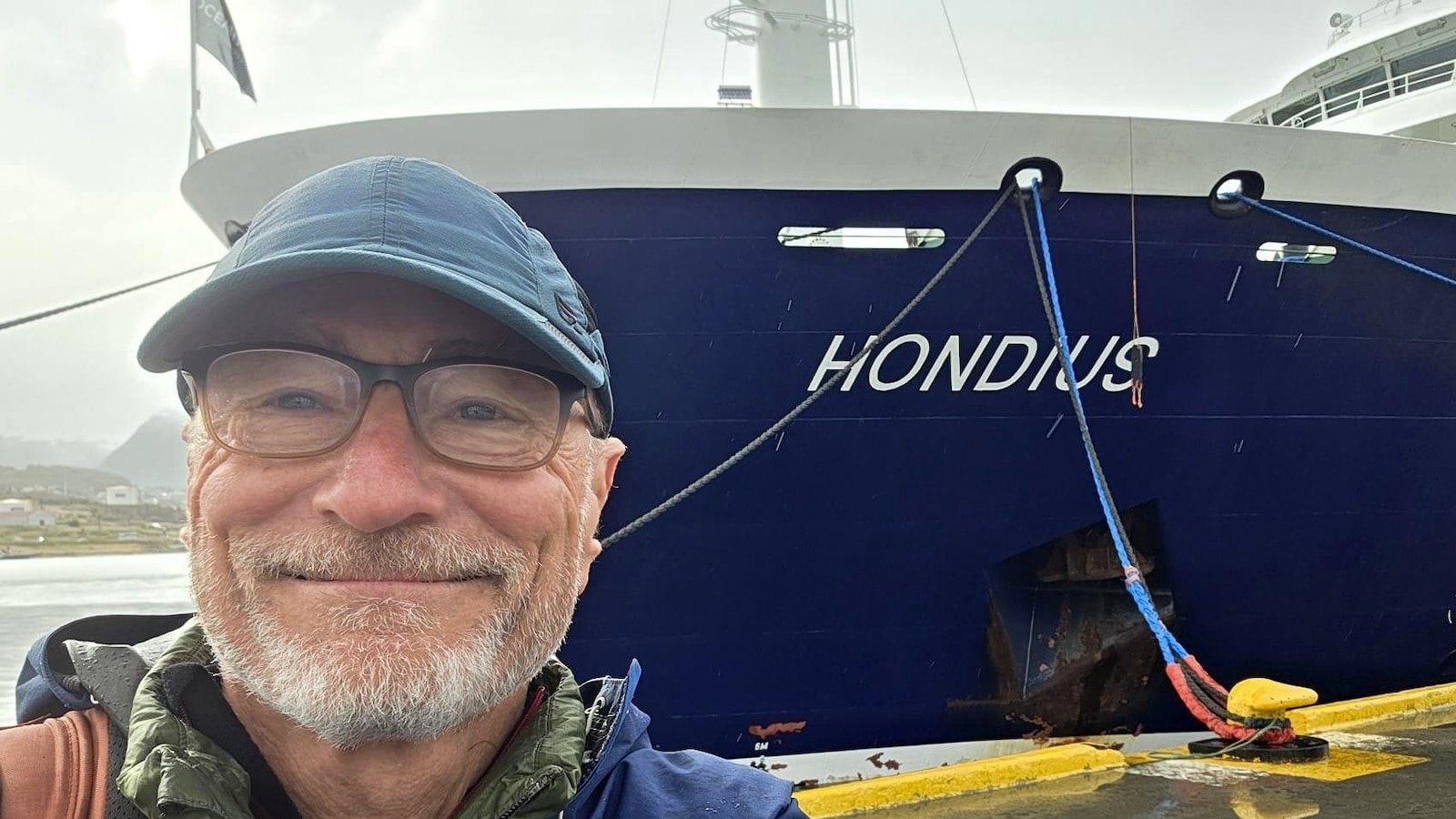
A hantavirus outbreak on the cruise ship MV Hondius left six people onboard testing positive, with two deaths reported and several patients hospitalized or isolated across multiple countries. The CDC plans to fly the 17 American passengers to Nebraska for evaluation without mandatory quarantine. The event is a negative health and travel headline, but appears unlikely to have broad market impact beyond the cruise/travel context.
This is a small headline on the surface, but the second-order read is about operational fragility in expedition cruise and remote-travel itineraries. These businesses rely on a narrow trust premium: one onboard medical event that turns into an evacuation cascade can quickly convert a high-margin “experience” product into a liability-management problem, hitting both near-term bookings and future pricing power. The risk is not just this vessel; it is that insurers, agents, and affluent consumers reassess the implied safety buffer for remote cruises, which matters more for sentiment than for immediate demand.
The timing matters because contagion-linked travel scares tend to have an asymmetric short shelf life: a sharp booking pause for the specific category over the next 2-6 weeks, followed by normalization if no broader transmission emerges. The biggest economic damage would come if this becomes associated with quarantine uncertainty or repatriation friction, since that raises the expected cost of “unexpected medical interruption” across expedition products. By contrast, if the follow-on medical assessments remain benign, the market will likely fade the issue quickly, making any broad selloff in leisure names a fade rather than a trend.
The more interesting winner is not a direct healthcare beneficiary but any operator with stronger medevac protocols, larger vessels, or itineraries closer to shore-based infrastructure; safety infrastructure becomes a differentiator and can justify premium pricing. There is also a subtle reputational boost for brands that can demonstrate conservative risk controls, which may pull share from smaller niche operators that compete on remote access rather than operational robustness. The contrarian view is that this is likely over-discounted as a demand shock: the true impact is probably contained to the expedition-cruise subsegment, not the broader travel complex.
AI-powered research, real-time alerts, and portfolio analytics for institutional investors.
Request DemoOverall Sentiment
moderately negative
Sentiment Score
-0.45
