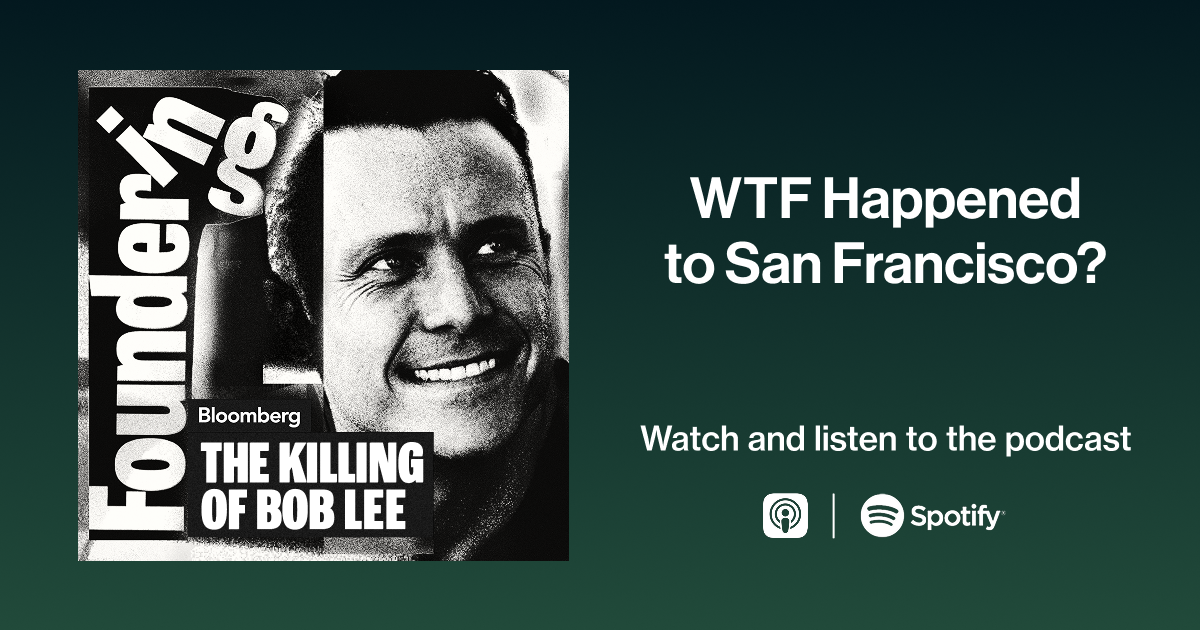
The article centers on the 2023 murder of Bob Lee, founder of Cash App, and the misinformation and political backlash that followed in San Francisco. It highlights tensions between the tech industry and the city's liberal government, along with public speculation by figures including David Sacks and Elon Musk. The news is primarily retrospective and reputational rather than market-moving, with no direct financial figures or corporate developments.
This is less a company-specific event than a case study in narrative formation risk for any asset tied to urban consumer ecosystems, local politics, or reputationally sensitive brands. The immediate market effect is likely confined to media cycles, but the second-order impact is a higher volatility regime around San Francisco-linked themes: fintech, enterprise software, and venture capital sentiment can all get pulled into a broader “city dysfunction” trade when crime and governance narratives flare.
The key edge is that the first interpretation of a shocking event often becomes the tradable consensus, even when it is wrong. That creates a short half-life for early reputational alpha: the mispricing window can last days to a few weeks, but once the factual record clears, the trade reverses quickly and harshly. In this setup, the most vulnerable assets are those that depend on labor attraction, office reopening, and local brand halo; the least affected are firms with geographically diversified demand and no meaningful exposure to SF policy optics.
A contrarian read is that the broader investment community may be overestimating the persistence of this narrative shock. The article reinforces that misinformation can briefly compress into a simple political story, but the eventual correction tends to weaken the thesis rather than strengthen it. For investors, the actionable takeaway is to avoid betting on headline-driven municipal reputational decay unless there is a direct cash-flow linkage, because these episodes often generate sentiment noise without durable fundamental damage.
AI-powered research, real-time alerts, and portfolio analytics for institutional investors.
Request DemoOverall Sentiment
mildly negative
Sentiment Score
-0.20
