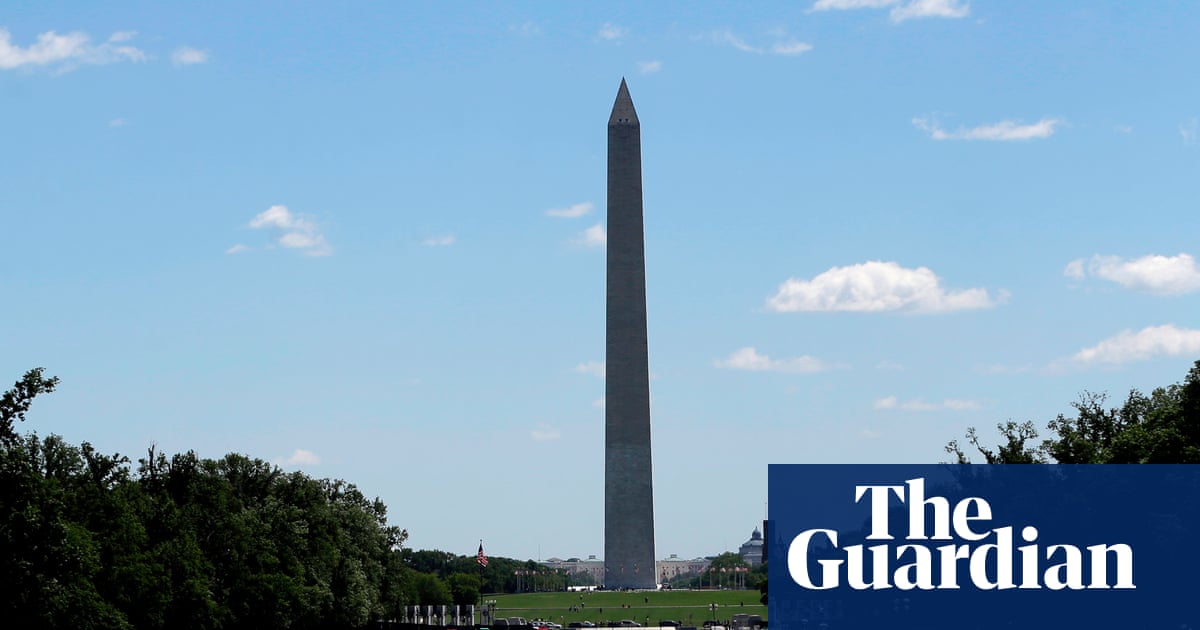
The Trump administration awarded a $6.9m no-bid contract to restore the Lincoln Memorial reflecting pool, using a federal exemption intended to avoid serious injury to the government. The project has drawn criticism over procurement practices, alleged favoritism, and the possibility that painting the pool blue will not solve its underlying filtration and leakage problems. The story is primarily political and procedural, with minimal direct market impact.
This is less a macro market event than a governance signal: the important read-through is that procurement discipline and historical preservation priorities are being subordinated to executive branding and schedule compression. That tends to favor politically connected small-cap contractors and specialty trades in the near term, but it also increases legal and reputational risk for any counterparties perceived as beneficiaries of noncompetitive awards. The second-order effect is not revenue size, but margin quality: no-bid, urgency-driven work can support unusually high pricing power for a few niche vendors while raising the probability of future audits, payment delays, or post-award clawbacks.
The more interesting asset is the political calendar. Anything tied to a 250th-anniversary deadline has a hard stop that can force scope changes, change orders, and accelerated spending over the next 6-12 months. That creates a small but real tailwind for firms exposed to federal parks, monuments, decorative hardscape, water treatment, and rapid-repair infrastructure, but it is a poor setup for broad construction names because headline risk is concentrated and project visibility is low. If scrutiny intensifies, the likely reversal mechanism is not cancellation but procedural drag: inspector general reviews, bid protests, or compliance conditions that slow down disbursement without fully stopping the work.
The contrarian point is that the market may underappreciate how politically theater-driven capex can still be economically sticky. Even if the aesthetics are unserious, the underlying maintenance problem is real, which means spending may persist across administrations once the asset becomes a public embarrassment. That makes this more like deferred maintenance spending than vanity capex, and the best risk/reward is in beneficiaries with existing federal execution capacity rather than in names relying on one-off publicity. The main risk is that a scandal triggers a freeze before the project scales beyond a single contract, limiting any tradable impact to a short-lived sentiment swing.
AI-powered research, real-time alerts, and portfolio analytics for institutional investors.
Request DemoOverall Sentiment
mildly negative
Sentiment Score
-0.15
Ticker Sentiment
