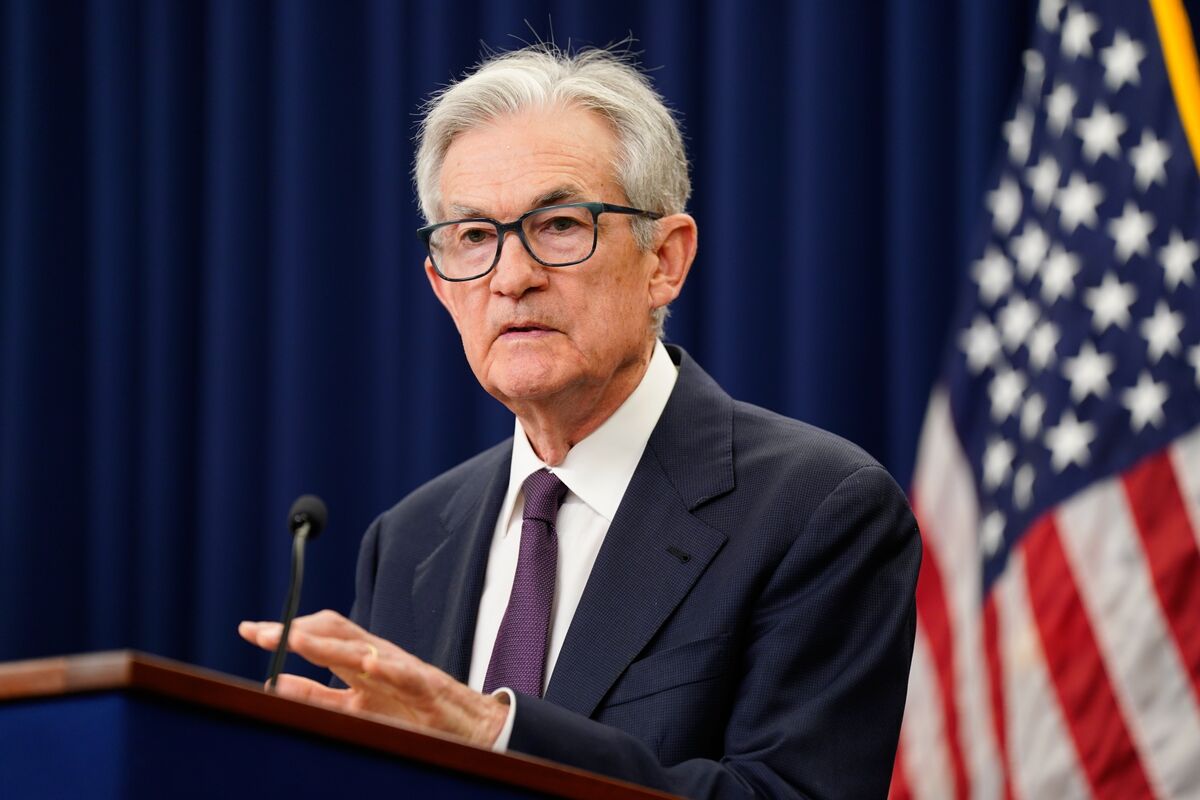
The Federal Reserve's monetary policy decisions are contingent on external factors, primarily geopolitical events and food prices, creating uncertainty regarding future rate cuts. This summer, clarity on the Fed's direction will depend on developments in these areas, suggesting a period of watchful waiting for markets.
The Federal Reserve, historically a dominant force shaping global economic and market trajectories, is currently adopting a reactive stance towards its monetary policy. Over the next few months, the central bank's decisions, especially concerning the path of interest rate cuts, are significantly contingent upon evolving external variables, specifically geopolitical events and food price inflation, as highlighted by the article's reference to "War and Food Prices." These factors have injected considerable uncertainty, prompting the Fed to potentially pause anticipated rate cuts and defer clarity on its policy direction until later in the summer. This situation is reflected in the "moderately negative" sentiment and "uncertain" market tone, indicating a period where the Fed is temporarily "out of the driving seat," awaiting further developments on these fronts before committing to a definitive course of action.
AI-powered research, real-time alerts, and portfolio analytics for institutional investors.
Request DemoOverall Sentiment
moderately negative
Sentiment Score
-0.40
