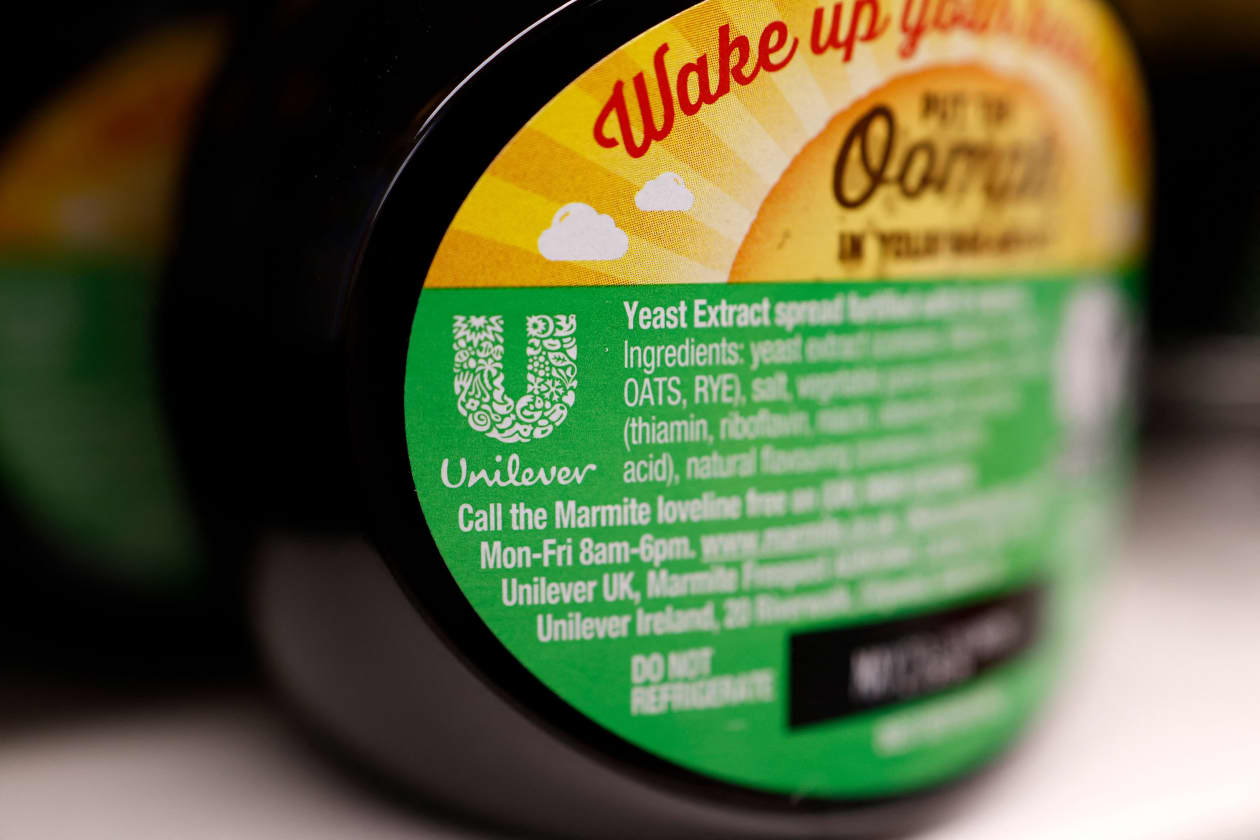
Unilever is in talks to sell its food business to McCormick & Company, a potential combination that would add brands such as Marmite, Knorr and Hellmann’s to McCormick’s spices and condiments portfolio. The deal is currently exploratory — Unilever cautioned there is no certainty a transaction will be agreed — but confirmation would likely move the two stocks and be material for the packaged foods sector.
If a strategic combination goes ahead, the immediate operational lever is procurement and shelf-space consolidation: spices, condiments and prepared foods share packaging, distribution and raw-material buying channels that could deliver 150–300bp of incremental EBIT margin over 18–36 months through scale purchasing and SKU rationalization. The realistic cap-ex/integration drag will compress near-term free cash flow, so expect a two-phase P&L profile — an initial EPS dilution or flattish year followed by accelerated accretion as SG&A and supply-chain synergies materialize.
Antitrust and retailer dynamics are the main frictions. Overlapping condiment categories in Europe and North America create clear regulatory touchpoints that can extend clearance to 6–18 months or force divestitures of specific SKUs/brands, reducing theoretical synergies by an estimated 25–50% in worst-case carve-outs. Financing structure matters: debt-funded deals push leverage and interest coverage metrics into risk territory for the acquirer, raising refinancing/default tail risk over a 12–36 month horizon, while equity-funded deals produce meaningful dilution risk to existing shareholders.
Second-order winners include packaging suppliers with higher consolidated volumes and co-packers that can capture re-shoring of production lines; losers include mid-tier private-label producers who lose negotiating leverage as combined scale pushes retailers toward national brands for promotional periods. The combination also reshuffles bargaining power with large grocers — expect a 3–6 month price promotion reset as category managers renegotiate slotting and promotions, which could transiently depress velocity for select SKUs.
Given the execution and regulatory uncertainty, the correct tactical posture is asymmetric exposure: participate in upside from realized synergies but hedge regulatory/financing failure. Time your exposure around concrete catalysts — competition filings, financing announcements, and interim synergy guidance — rather than headline speculation, since each catalyst flips valuation by ~10–25% within days of publication.
AI-powered research, real-time alerts, and portfolio analytics for institutional investors.
Request DemoOverall Sentiment
mildly positive
Sentiment Score
0.20
Ticker Sentiment
