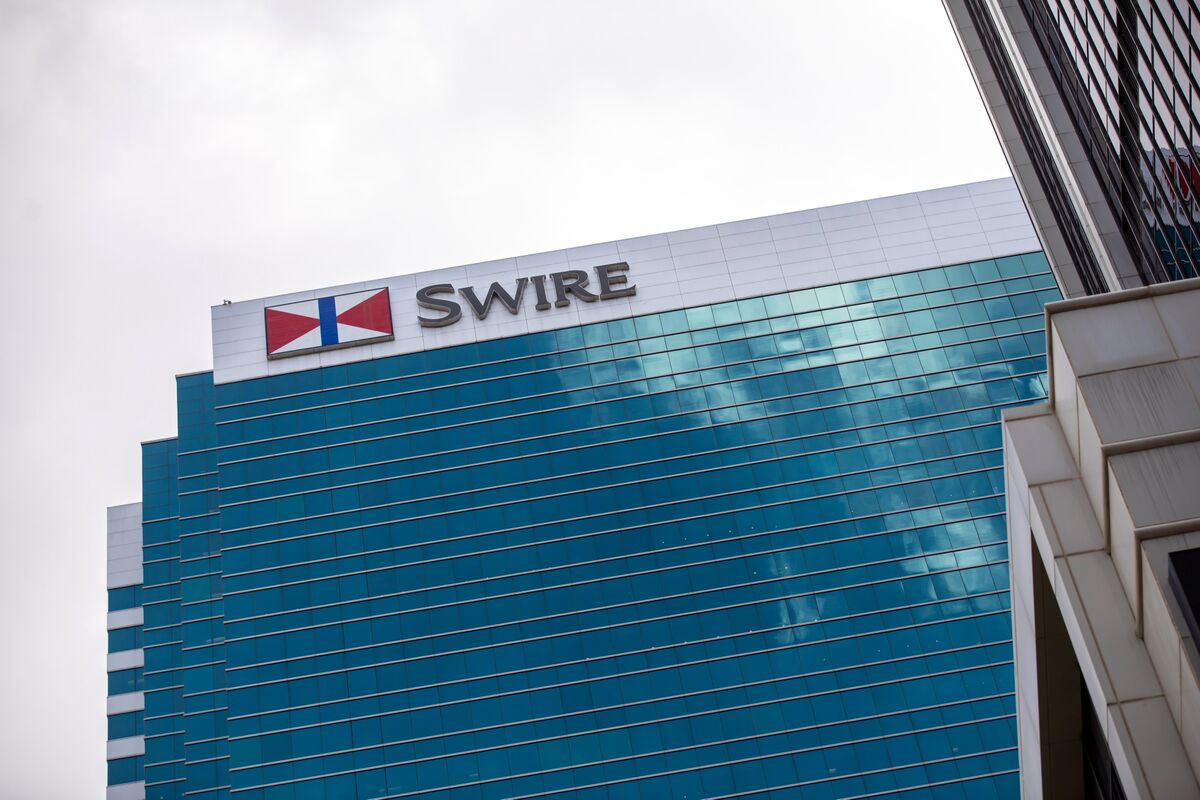
Swire Group conducted rare layoffs at its Hong Kong head office last week, cutting roughly 10% of staff (about 40 people) across divisions including sustainable development, finance and risk management; several department leaders — including group head of sustainability Mark Harper — were among those let go. Management said the move is intended to streamline operations amid a slowdown in China’s economy, a development that may signal continued cost pressure for conglomerates with large China exposure but is unlikely to materially alter Swire’s near-term market position given the limited scale of the cuts.
Market structure: The Swire HQ cuts (≈10% of HQ staff; ~40 people) are a near-term signal that China-end demand is weakening and conglomerates are prioritizing opex cuts over capex. Direct losers: HK-listed conglomerates with China-exposed commercial real estate and discretionary exposure (short-term equity underperformance of ~3–10% over 1–3 months is plausible). Winners: lower-cost competitors, distressed-asset buyers, and investment-grade creditors who may see lower default probability if opex savings outpace revenue declines.
Risk assessment: Tail risks include forced asset sales at distressed prices (material if multiple conglomerates follow suit), regulatory intervention in asset disposals, and operational mishaps from removing senior risk/sustainability staff (increased legal/financing costs). Immediate impact (days): negative sentiment in HK equities; short-term (1–3 months): earnings guidance downgrades; long-term (6–24 months): possible margin improvement of 50–150 bps if cuts are sustained but only if topline stabilizes. Watch triggers: two consecutive China PMI prints <50 or China GDP q/q <1.0% annualized to escalate downside.
Trade implications: Tactical short bias on Swire names and other China-exposed conglomerates; prefer pair trades (short 00019.HK, hedge with long 0700.HK or MCHI) to isolate conglomerate risk. Use options to cap downside: buy 3-month put spreads on primary HK conglomerate tickers sized to 0.5–2% NAV. Rotate 3–5% of equity allocations into defensive China staples ETFs (MCHI) and selective HK-listed utilities to reduce cyclicality.
Contrarian angles: The market may over-penalize headline cuts—HQ layoffs are low cash-cost relative to divisional restructures; successful cuts can free cash for buybacks or accelerated capex in core growth assets, generating 100–300 bps uplift to ROIC over 12–18 months. Risks ignored by consensus: loss of ESG/risk capability can raise long-term financing costs (monitor green bond spread widening >25 bps). Historic precedent (conglomerate re-rationalization cycles) shows 6–12 month mean reversion after initial sell-off if asset sales are clean.
AI-powered research, real-time alerts, and portfolio analytics for institutional investors.
Request DemoOverall Sentiment
moderately negative
Sentiment Score
-0.35
