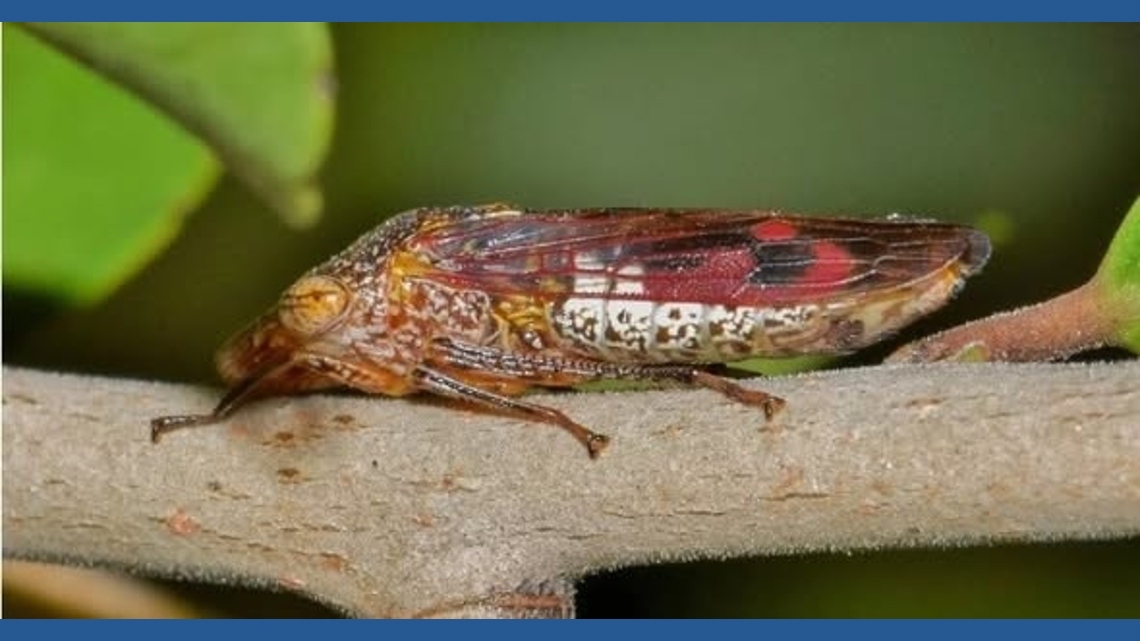
Northern California agriculture departments warned Costco customers not to plant grapevines or citrus sold at multiple stores after glassy-winged sharpshooters were detected on nursery shipments. The pest can spread Pierce’s disease, which kills grapevines and can damage citrus, almonds and ornamental plants, prompting quarantine-style instructions and inspections across Solano, Yuba, Stanislaus and Yolo counties. The impact is mostly local and operational, but it raises supply-chain and consumer-product handling concerns for nursery stock sold through Costco.
This is not a one-day headline for Costco; it is a localized compliance and brand-trust issue that can become a broader franchise risk if regulators expand the scope beyond a few stores and a narrow product set. The near-term economic hit to COST is likely immaterial in revenue terms, but the second-order effect is higher return-handling friction, employee time, and customer distrust around live plants and seasonal garden categories — exactly the kind of low-dollar, high-annoyance issue that can dent NPS and repeat traffic.
The bigger risk is operational: if this becomes a pattern tied to third-party nursery sourcing, Costco may need tighter quarantine, inspection, and chain-of-custody controls across produce-adjacent perishables and live goods. That raises costs for a category that depends on scale and speed, and it may force the retailer to de-risk suppliers even if that means fewer SKUs, lower margin mix, or missed seasonal sales windows over the next 1-2 quarters.
The market may be underestimating how quickly local plant-health incidents can escalate into reputational contagion because they resonate with safety and biosecurity concerns, not just product quality. Still, the selloff thesis is limited unless there is evidence of multi-state spread, regulatory penalties, or a broader sourcing failure; absent that, this is more likely a short-duration headline overhang than a fundamental earnings event.
Contrarian angle: the incident may actually reinforce Costco’s operational moat if management responds visibly and quickly, since the company can absorb the remediation better than smaller rivals. If the response is strong, the episode could even be a net share-gain setup versus regional garden centers and club competitors that lack Costco’s ability to reimburse, retrieve, and inspect at scale.
AI-powered research, real-time alerts, and portfolio analytics for institutional investors.
Request DemoOverall Sentiment
moderately negative
Sentiment Score
-0.35
Ticker Sentiment
