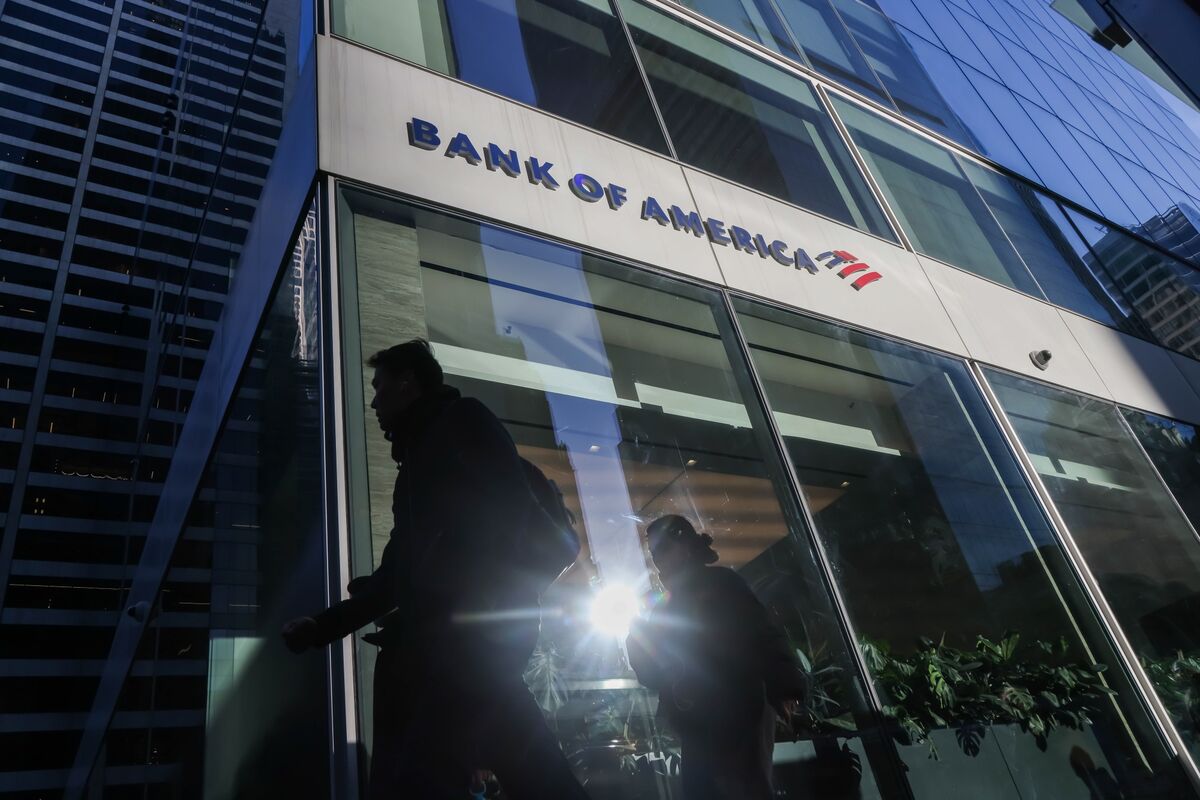
Bank of America launched a five-part investment-grade bond sale with maturities ranging from four to 11 years, including a subordinated note priced at about 1.40 percentage points over Treasuries. Proceeds will be used for general corporate purposes. The deal adds to a busy week of Wall Street bond issuance and is routine financing activity with limited market impact.
This is a clean read-through for bank credit, but the more interesting effect is supply pressure on the broader IG complex: when a top-tier issuer comes early with multi-tranche paper, it often nudges concession wider for peer financials and can temporarily cheapen the front end of the bank curve. The subordinated piece is the key signal because it tests appetite for lower in the stack; if it clears well, it should compress spreads for other large-cap banks’ AT1/T2-style issuance and improve funding flexibility into quarter-end.
Second-order, the deal is mildly bearish for BAC equity relative to peers if markets interpret it as opportunistic funding rather than balance-sheet necessity. Cheap term funding reduces near-term refinancing risk, but it also locks in carrying cost while deposits and loan growth remain uncertain; that tends to favor bondholders over stockholders unless management redeploys proceeds into higher-ROA assets quickly. In a stable rate backdrop, the positive is duration extension; in a faster-cut scenario, the bank may look early on issuing intermediate paper before funding costs fall further.
The contrarian angle is that investors may be underestimating how much this issuance is a signal about sector-wide supply absorption, not BAC-specific fundamentals. If the market digests this and still takes down the rest of the week's bank paper cleanly, it implies strong institutional demand for financial credit and reduces the chance of a spread blowout into month-end. The main risk is a weak bid at the long end, which would widen bank subordinated spreads first and then bleed into senior debt over the next 1-3 weeks.
AI-powered research, real-time alerts, and portfolio analytics for institutional investors.
Request DemoOverall Sentiment
neutral
Sentiment Score
0.05
Ticker Sentiment
