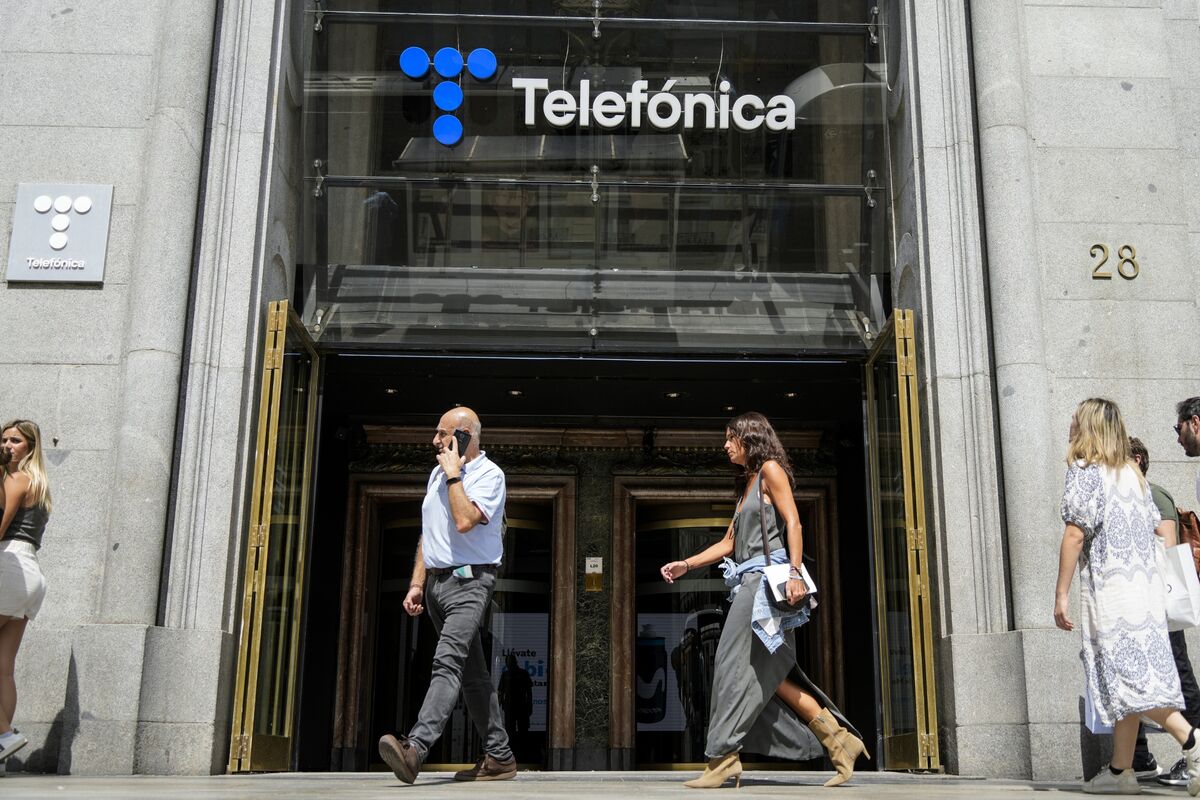
Telefónica SA shares experienced their largest decline in over five years after the Spanish telecom operator significantly lowered its free cash flow guidance for the current year from €2.6 billion to approximately €1.9 billion and announced a halving of its 2026 dividend to €0.15 per share from €0.30. This strategic adjustment, revealed in its third-quarter earnings statement, signals a more conservative financial outlook and prompted a sharp negative market reaction.
Telefónica SA (TEF) shares experienced their most significant decline in over five years following a substantial revision of its financial guidance and capital return policy. The company lowered its free cash flow (FCF) guidance for the current year to approximately €1.9 billion, a notable reduction from the previously projected €2.6 billion. This downward adjustment, coupled with the halving of its 2026 dividend from €0.30 to €0.15 per share, triggered an extremely negative market reaction, reflected in a -0.9 per-ticker sentiment for TEF.
The 27% reduction in FCF guidance signals a material impact on the company's operational cash generation or an increase in capital expenditure requirements, indicating a more challenging near-term outlook. The decision to cut the dividend by half underscores a strategic shift towards a more conservative capital allocation approach, likely aimed at strengthening the balance sheet or funding future growth initiatives amidst potential headwinds. This move, detailed in its Q3 earnings statement, suggests a re-prioritization of cash utilization over immediate shareholder distributions.
The market's strong bearish response, with a general sentiment score of -0.8 and a high market impact score of 0.75, highlights investor concerns regarding the sustainability of future earnings and the company's ability to maintain its historical dividend policy. This development could lead to a re-evaluation of TEF's valuation multiples, particularly for income-focused investors who rely on consistent dividend payouts, and implies a more cautious outlook for the company's equity performance.
AI-powered research, real-time alerts, and portfolio analytics for institutional investors.
Overall Sentiment
extremely negative
Sentiment Score
-0.80
Ticker Sentiment
