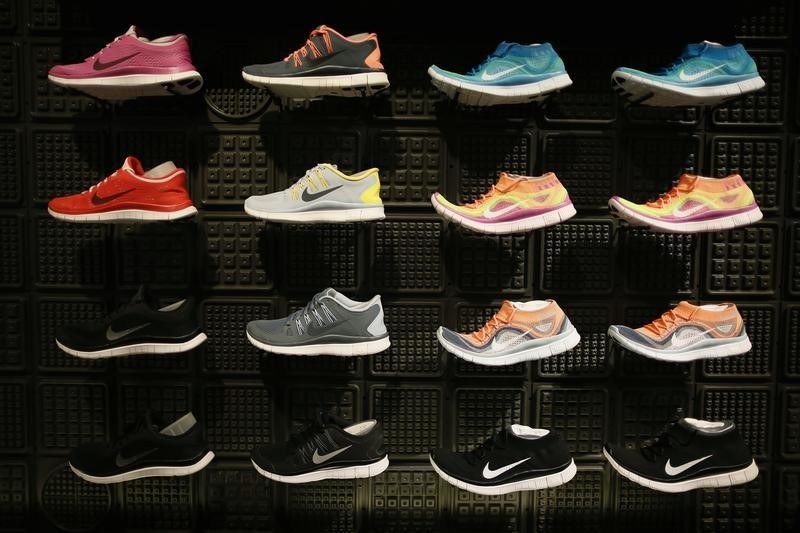
Bernstein says sports footwear demand remains structurally strong, with secular growth intact despite a short-term fashion shift toward dressier styles like pumps and Mary Janes. Adidas and Puma are highlighted as best positioned to adapt via sneaker hybrids, while Nike's performance-footwear focus should help insulate it; lifestyle-heavy brands such as Vans and Converse may face relative pressure. Nike also reported Q4 revenue of $12.9 billion, up 1% year over year, with EPS of $1.01, and Morgan Stanley reiterated an Overweight rating.
This reads less like a broad sneaker demand warning and more like a dispersion event inside footwear. The key second-order effect is that fashion-led share shifts usually hit the highest-velocity, lowest-loyalty SKU mix first, which means margin pressure can show up before unit weakness does; the brands with the best product refresh cadence and inventory control should defend gross margin better than peers even if topline growth slows. The bigger winners are the companies that can turn a short fashion cycle into a rapid style update engine, because consumers are effectively rewarding speed-to-trend rather than pure performance positioning.
The market may be underestimating how localized this impact is. Women’s lifestyle and casual-wear channels likely feel the change within one or two seasonal buy cycles, while core athletic and performance franchises should remain much more insulated over 6–18 months. That creates a clean relative-value setup: names with heavier lifestyle exposure should trade on rev revisions, while performance-led franchises may deserve a quality premium as their demand becomes less fashion-dependent.
The contrarian point is that “dressy” is probably a transitory aesthetic, but it can still matter for inventory and discounting if retailers chase it too aggressively. If the trend fades by next spring, brands that over-allocated shelf space to hybrid silhouettes could be forced into promotions, creating a temporary gross margin air pocket. Conversely, if the trend persists into 2026, the real loser is not just sneaker demand but the incumbents with slower design cycles and weaker women’s assortment depth.
For now, the setup looks more like a relative winner/loser trade than a sector-wide short. The cleanest expression is to own the fastest adapters and fade the brands most exposed to lifestyle basket share loss, with the highest payoff over the next 1–2 quarters coming from earnings guideposts rather than immediate sell-side model cuts.
AI-powered research, real-time alerts, and portfolio analytics for institutional investors.
Request DemoOverall Sentiment
neutral
Sentiment Score
0.15
Ticker Sentiment
