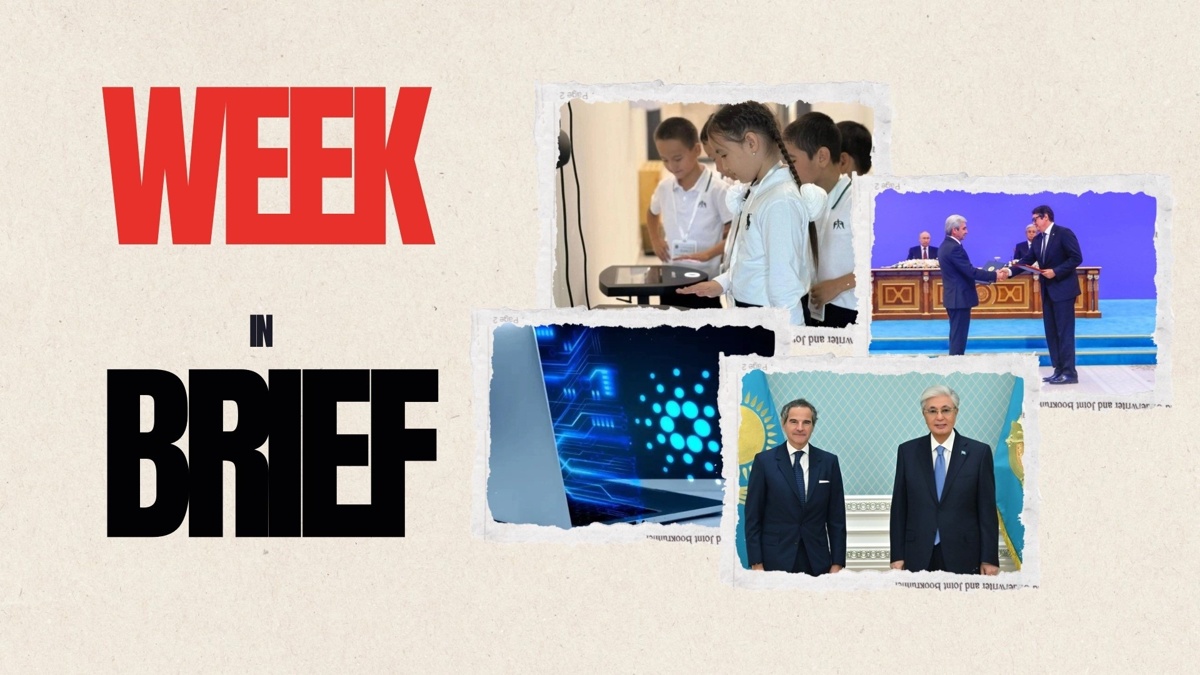
Kazakhstan advanced a 177.1 billion tenge 2026 allocation for AI, digital infrastructure, rural internet, and education projects, while also launching AI pilot programs in schools in Kyzylorda and Pavlodar. Separately, Tokayev and Putin signed a joint friendship statement and agreements spanning education, energy, nuclear cooperation, and the financing of Kazakhstan’s first nuclear power plant, with construction targeted for 2027 and first output by 2034. The week also highlighted Kazakhstan’s push for deeper EAEU digital integration and sustainable development coordination in Almaty.
Kazakhstan is quietly tightening its strategic alignment with Russia while simultaneously trying to de-risk through multilateral institutions and domestic digital modernization. The first-order read is pro-capex for sovereign infrastructure, but the second-order effect is more important: a large nuclear build-out and deeper Eurasian integration raise the option value of state-directed spending, while also increasing the country’s exposure to external financing terms, sanctions spillovers, and imported technology bottlenecks. In EM terms, this is less a growth shock than a multi-year re-rating of policy credibility if execution stays clean.
The nuclear package is the clearest medium-term catalyst. A Russian export-credit financed plant shifts near-term winners toward engineering, heavy equipment, grid services, and uranium value-chain beneficiaries, while the financing structure itself likely suppresses pressure on fiscal balances versus an outright sovereign-funded build. The hidden loser is any competing non-Russian bidder set or Western service provider that might have hoped to participate; over 12-24 months, procurement follow-through matters more than headline announcements, and delays would quickly erode the market’s willingness to capitalize this as a real infrastructure cycle.
The AI/digitalization push is more immediately relevant for local internet, cloud, education-tech, and telecom infrastructure demand than for frontier AI model development. Budget commitment plus school-level pilots indicate a state-led rollout pattern, which typically favors incumbents with procurement access and last-mile distribution rather than pure-play software names. The contrarian point: this is probably being read too narrowly as “innovation-friendly,” when the bigger implication is a durable increase in public-sector digital spend and data governance, which can create a sticky domestic vendor ecosystem over 2-5 years.
Near term, the main risk is execution slippage and geopolitics: if Russian funding terms worsen, sanctions enforcement tightens, or regional growth softens, the market could discount these projects as aspirational rather than investable. On the other hand, if Astana converts this week’s announcements into signed EPC and budget disbursement milestones by year-end, the setup becomes more than narrative and starts to matter for construction, power equipment, and telecom supply chains.
AI-powered research, real-time alerts, and portfolio analytics for institutional investors.
Request DemoOverall Sentiment
mildly positive
Sentiment Score
0.15
