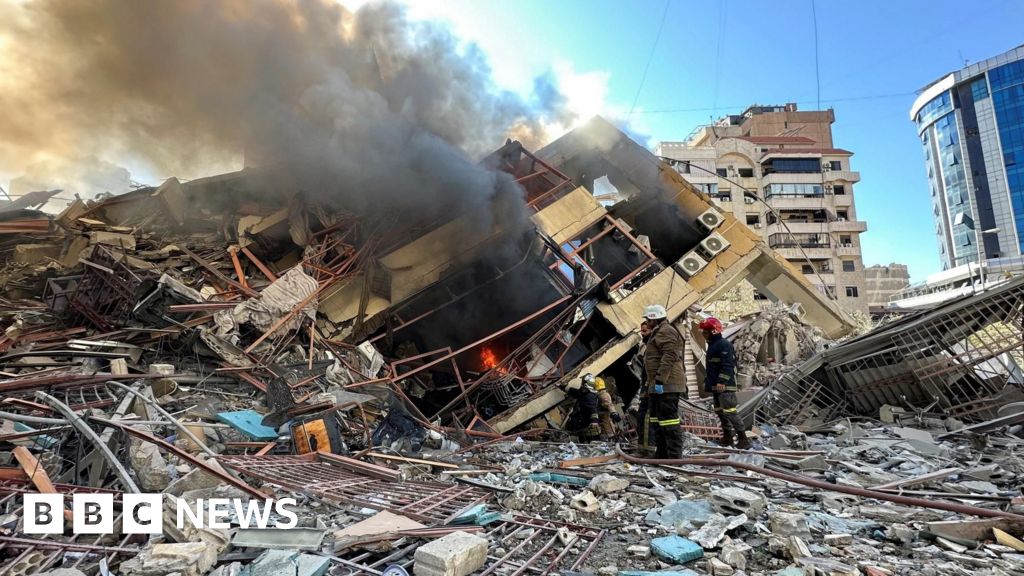
More than 700,000 people have been displaced (including ~200,000 children) and at least 486 killed in Lebanon amid escalating Israel–Hezbollah clashes; two Israeli soldiers have also died. Lebanese President Joseph Aoun proposed a four-point plan calling for a complete truce, Hezbollah disarmament, international assistance to the Lebanese Armed Forces and direct Lebanon–Israel negotiations under international sponsorship, but Israeli officials have shown little appetite to negotiate. The escalation materially raises regional geopolitical risk and humanitarian stress and could exert upward pressure on risk premia and energy/market volatility if the conflict widens.
Markets will price this episode first as a regional risk shock and then as a liquidity shock: expect acute risk-off flows over days (cash/UST/Gold bid, EM outflows) followed by selective reallocations into defence exposure over 1–12 months as procurement budgets and urgent re-armament orders crystallize. Insurance and logistics costs for Mediterranean shipping are the underpriced channel — rising war-risk premiums and rerouting add discrete cents-per-container that cascade into freight rates and inventory-costs for southern Europe and North Africa supply chains.
The most durable second-order effect is capex reallocation within regional governments and Western allies supplying them: expect procurement timelines to accelerate 3–9 months for air-defence, electronic warfare and counter-drone systems, creating a front-loaded revenue wave for niche prime contractors and integrators while intensifying demand for precision sensors and RF semiconductors. Conversely, sovereign stress and capital flight will compress bank funding in small EM economies, widening CDS spreads and lowering local-currency liquidity for quarters.
Key catalysts and reversal mechanics are political rather than military: credible direct talks or an internationally mediated security arrangement would remove a substantial portion of the premium — we expect material volatility to subside within 30–90 days if negotiations advance; escalation into broader state-on-state conflict would flip the path, driving a multi-month bear market for regional equities and a sustained jump in defence and insurance sector valuations. Monitor diplomatic moves, naval deployments, and large armament contract announcements as the highest-probability near-term inflection signals.
AI-powered research, real-time alerts, and portfolio analytics for institutional investors.
Request DemoOverall Sentiment
strongly negative
Sentiment Score
-0.75
