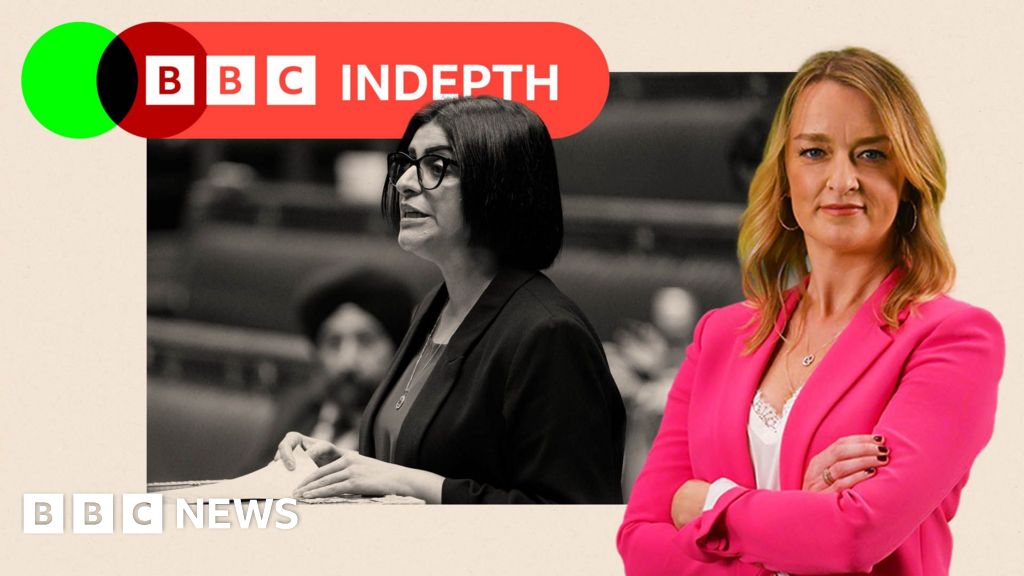
The home secretary is proposing the biggest policing reform in two centuries, including cutting 43 local forces to around a dozen, requiring professional licences for officers, giving ministers powers to dismiss chief constables and creating a single national force by merging the NCA, Counter Terrorism and other national elements. The stated aims are to respond to rising ‘everyday’ and organised crime, achieve procurement and administrative savings and streamline national initiatives, but the plans carry significant political and operational risks, long legislative timelines and questions over local accountability and effectiveness.
Market-structure: Consolidation of 43 forces into ~12 and creation of a national mega-agency favors large national integrators, defence and cyber vendors, and FTSE-listed outsourcers that can win multi-year, centralized contracts (benefit window 12–36 months). Small regional suppliers and fragmented local contractors face contract attrition and price pressure as procurement scales; expect bid consolidation and 10–30% margin compression for losers over 1–3 years.
Risk assessment: Tail risks include legal challenges, union strikes or implementation delays that push costs up (one-off restructuring bill of £0.5–2bn plausible), and a political backlash that reverses policy within 1–4 years. Immediate market reaction is likely muted; key catalyst windows are the Home Office consultation release (next 30–90 days) and Parliamentary votes over 6–18 months.
Trade implications: Tactical winners: large outsourcers, defence primes and cyber names; tactical losers: regional security contractors, local IT vendors. Positioning should use options to cap downside while targeting 20–40% upside over 12–24 months; expect consolidation-driven procurement savings to show up in contractors’ margins within 18–36 months.
Contrarian angles: Consensus underestimates implementation risk and morale-driven operational degradation — short-lived crime spikes could drive private security demand, offsetting public procurement cuts. Historical parallels (Scottish merger) show cost saves but headline operational failures; therefore size of upside is conditional — scale helps only if execution and budgets follow through.
AI-powered research, real-time alerts, and portfolio analytics for institutional investors.
Request DemoOverall Sentiment
neutral
Sentiment Score
-0.15
