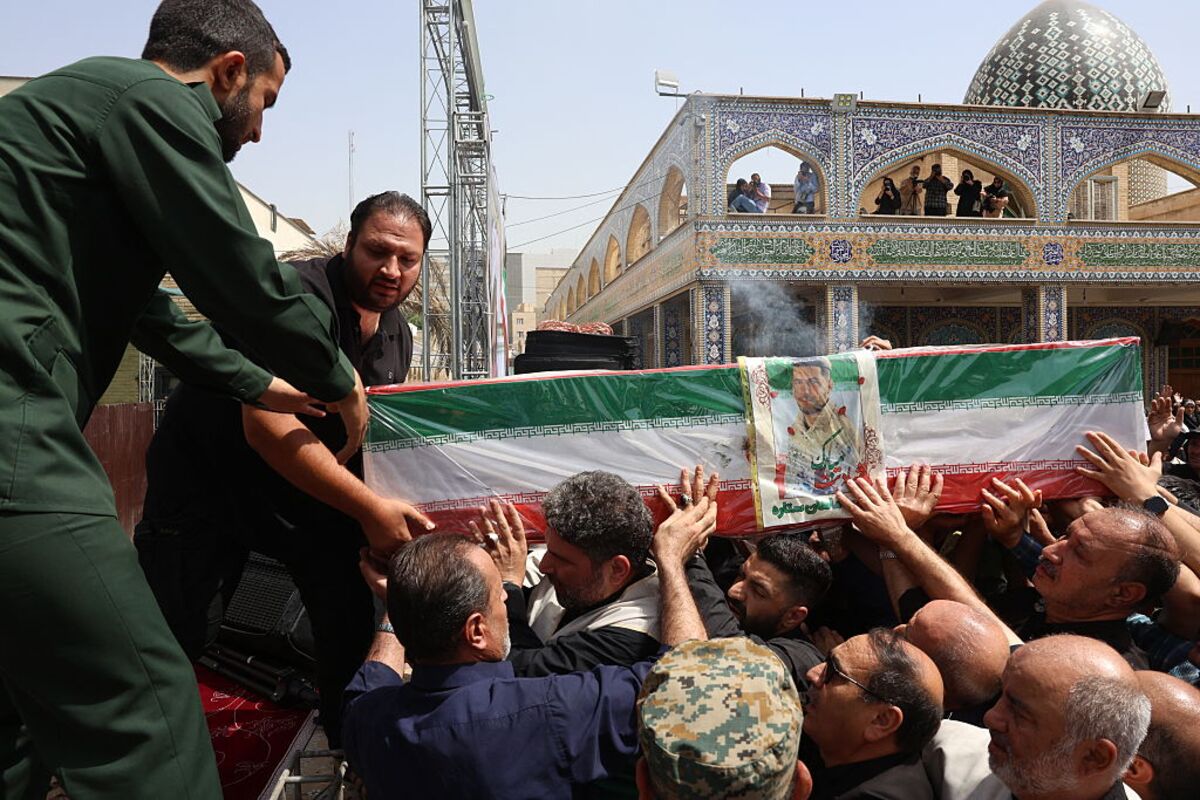
Iran has expressed strong skepticism regarding the longevity of the US-brokered ceasefire with Israel, with its armed forces chief of staff, Abdolrahim Mousavi, warning of a firm response to any renewed aggression. This statement underscores persistent geopolitical instability in the Middle East, signaling ongoing risks to regional asset markets and global energy supplies.
Iran has officially cast doubt on the durability of the US-brokered ceasefire with Israel, signaling persistent geopolitical tension in the Middle East. The statement from Iran's armed forces chief of staff, Abdolrahim Mousavi, vowing a "firm response if aggression is repeated," underscores a high state of military readiness and elevates the risk of renewed conflict. The strongly negative sentiment score (-0.7) and the significant market impact score (0.6) attached to this development indicate that markets are likely to price in a higher geopolitical risk premium. This skepticism directly challenges the stability of the region, carrying immediate implications for global energy supply chains and assets exposed to the Middle East, as the primary theme of "Geopolitics & War" suggests this is a material event for investors to monitor.
AI-powered research, real-time alerts, and portfolio analytics for institutional investors.
Request DemoOverall Sentiment
strongly negative
Sentiment Score
-0.70
