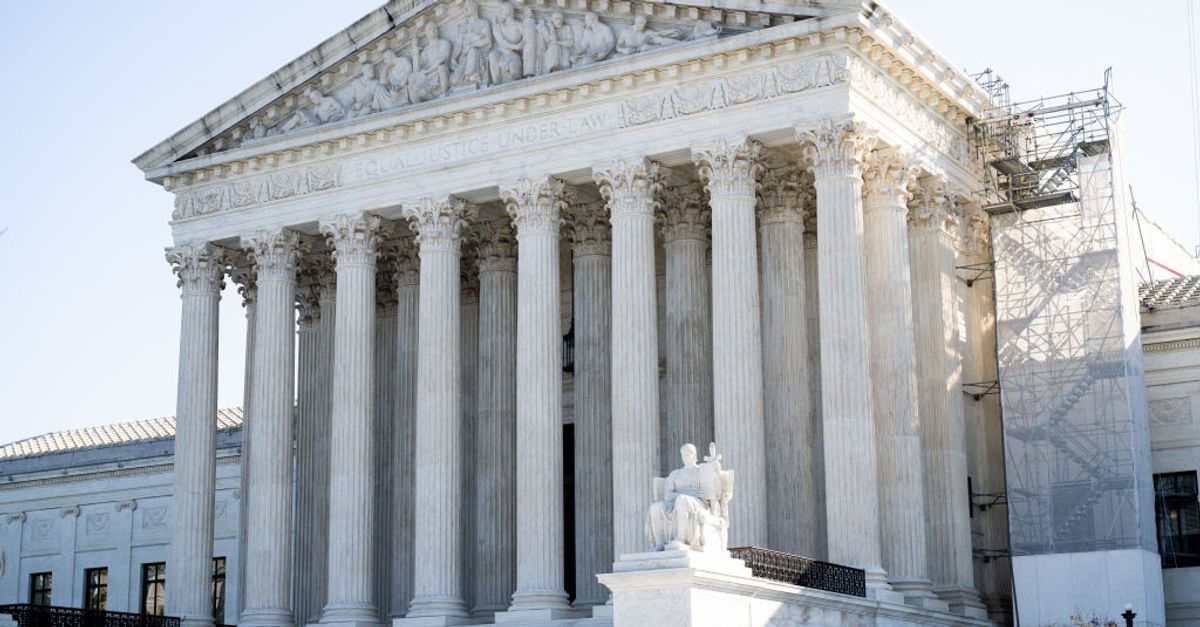
The Supreme Court is being asked to pause a 5th Circuit ruling that reinstated an in-person dispensing requirement for mifepristone, a drug used in about 60% of abortions nationwide. Danco and GenBioPro argue Louisiana lacks standing, echoing the Court’s 2024 ruling that challengers must show direct injury to sue over FDA mifepristone policies. The dispute keeps regulatory and legal uncertainty around abortion-pill access elevated, with potential implications for FDA authority and telehealth prescribing rules.
The marketable issue here is not the drug itself but federal preemption risk in a politically fragmented distribution channel. If the justices let the 5th Circuit’s order stand even briefly, the first-order impact is operational disruption for telehealth abortion providers and pharmacies, but the second-order effect is wider: it creates a template for state-by-state venue shopping against other FDA-approved therapies where delivery mode can be framed as a state-law injury. That is a larger threat to regulatory certainty than to one product line.
The biggest near-term beneficiary of any stay is the broader telehealth and mail-order care stack, because this is a stress test for whether remote prescribing remains durable when state AGs target reimbursement, emergency-room utilization, or downstream care costs. Even if the injunction is eventually lifted, the headline risk itself can force providers to tighten protocols, increase legal reserves, and slow growth in higher-regulation states. The result is likely margin pressure rather than outright volume collapse for the category.
The contrarian read is that the tail risk is asymmetric to the downside for opponents of broader access: the Court has already signaled skepticism toward injury theories built on indirect costs, so a fast administrative stay would preserve status quo and reduce the odds of a durable policy shift. The real catalyst window is days, not months; if Alito signals a pause, the trade becomes a volatility event, not a fundamental reset. If the Court declines to intervene, expect a much larger repricing of legal risk across healthcare names with remote-delivery exposure.
AI-powered research, real-time alerts, and portfolio analytics for institutional investors.
Request DemoOverall Sentiment
neutral
Sentiment Score
-0.10
