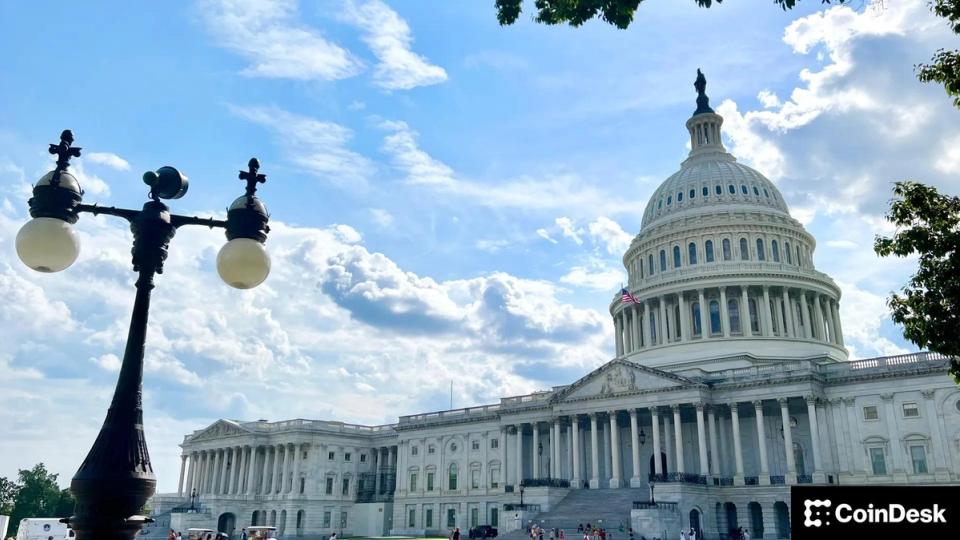
The Digital Asset Market Clarity Act is inching toward a Senate Banking Committee hearing with updated text circulated to the White House and Republicans meeting to close final gaps. Stablecoin yield treatment is reportedly near a compromise, but other concessions (DeFi approach, possible housing-linked provisions, ethics rules and CFTC appointments) remain unresolved and could require White House concessions. The SEC has begun issuing a crypto taxonomy and signaled it will implement policy now while urging Congress to codify changes. Separately, the Ninth Circuit cleared the way for Nevada to seek a temporary restraining order against prediction-market platform Kalshi.
A narrowly tailored legislative outcome that treats stablecoin rewards as “rewards” rather than bank interest materially favors exchange-native and non‑bank token issuers: they can orchestrate program economics without becoming federally chartered depositories, preserving higher fee margins and revenue share with apps. Expect a concentrated reallocation of revenue toward platforms that control the on‑chain rails and custody (mid‑term, 1–6 months) as customers shift to stablecoins and custodial partners with clarity on permitted yield mechanics.
Regulatory implementation ahead of statute creates a two‑track market: firms that can quickly demonstrate audited reserves, program compliance, and institutional custody capability will win market share even before Congress finalizes text. That advantage compounds because asset managers and banks (who can scale custody and compliance) will capture institutional inflows once a durable legal framework exists — a multi‑quarter runway for AUM re‑routing into spot and cash‑like crypto products.
The principal tail risks are binary and political: last‑minute riders, Democrat leverage over appointments, or a compromise that materially narrows yield constructs would re‑price exchange valuations and stablecoin market share within days. Market volatility will concentrate around committee votes and any White House text submission windows (near term: weeks; full resolution: 1–6 months), creating asymmetric option opportunities.
Second‑order effect to watch: a deal that “gives” community banks unrelated concessions could spur a short‑term bid into small regional bank equities but leave them structurally exposed to technology displacement if exchanges and asset managers secure custody flows. That bifurcation—near‑term political winners vs. long‑term utility winners—creates pair‑trade opportunities across sectors.
AI-powered research, real-time alerts, and portfolio analytics for institutional investors.
Request DemoOverall Sentiment
mixed
Sentiment Score
0.05
