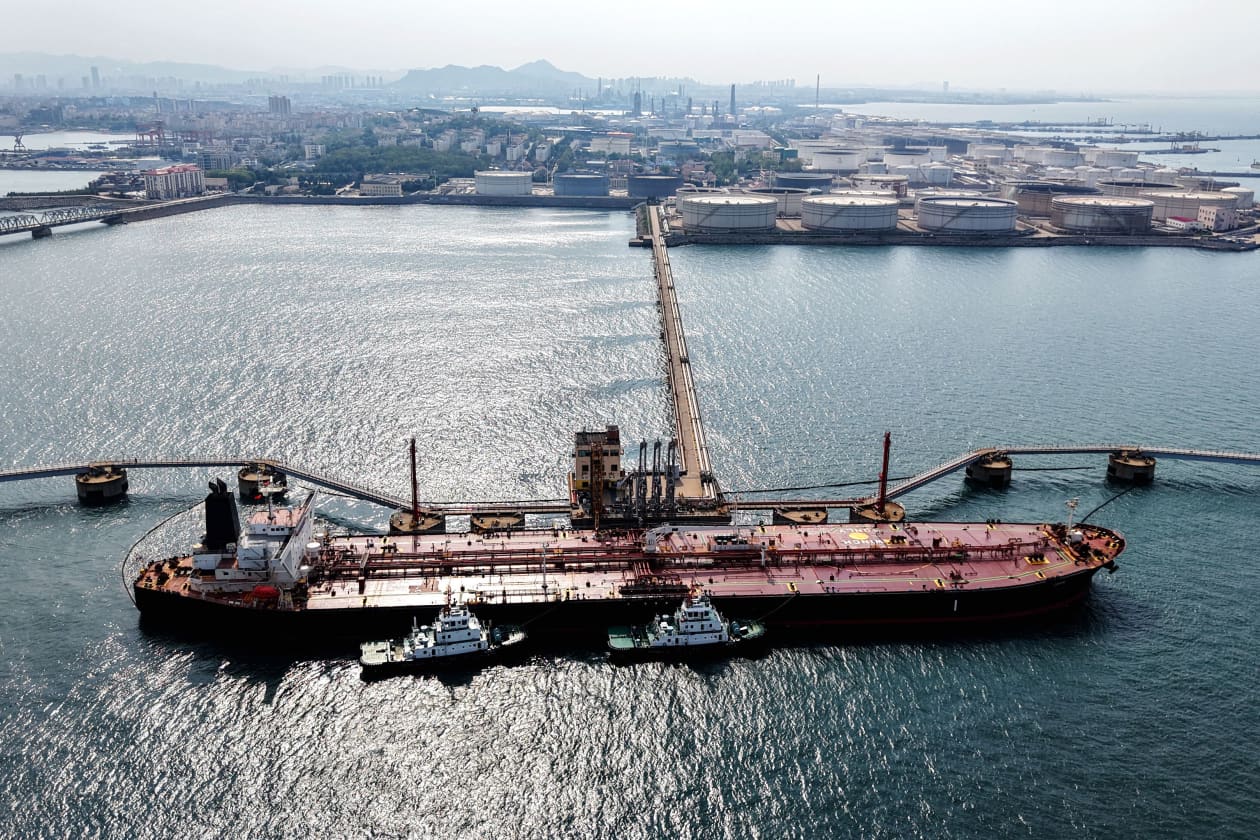
Brent crude for June delivery rose as high as $115.43 a barrel, while West Texas Intermediate gained more than 3% as the Strait of Hormuz impasse continued to disrupt tanker traffic. The article points to limited progress in restoring oil flows through a critical shipping chokepoint, reinforcing upside pressure on global energy prices. This is a market-wide geopolitical and supply-chain shock with potential spillover across energy, transport, and inflation-sensitive assets.
The market is pricing a supply shock premium, but the bigger second-order effect is a volatility regime change across the whole energy complex. When a chokepoint impasse persists, refiners, shippers, and airlines typically reprice faster than upstream producers because their input-cost visibility collapses; that means crack spreads and freight insurance can move more violently than headline crude. The near-term winner is therefore not just oil beta, but any asset tied to scarcity optionality: tanker rates, coastal storage, and prompt-time energy derivatives.
The key risk is that the rally becomes self-limiting if physical flows remain impaired but not fully interrupted. In that setup, inventories outside the region start acting as a shock absorber, and the market may be overpaying for tail risk that can be monetized through gradual rerouting, strategic releases, or temporary diplomatic de-escalation within days to weeks. If the situation drags on for months, the bigger issue becomes demand destruction outside the US, especially in import-dependent Asian economies where energy costs feed directly into trade balances and industrial margins.
Contrarian view: this may be more of a logistics and insurance story than a durable crude bull case. If transit interruptions are messy but partial, front-month oil can stay bid while the curve remains relatively anchored, which is a setup where outright longs are less attractive than spread or volatility expressions. The best risk/reward is likely in assets that benefit from uncertainty itself rather than a clean directional move in Brent.
Watch for a sharp reversal if tanker traffic normalizes or if policymakers signal coordinated release efforts; in that case the premium can evaporate faster than physical supply changes. Conversely, if a high-profile incident occurs, the move could gap beyond what fundamentals justify, making short-dated option structures the cleanest way to participate without taking unlimited downside.
AI-powered research, real-time alerts, and portfolio analytics for institutional investors.
Request DemoOverall Sentiment
mildly positive
Sentiment Score
0.15
