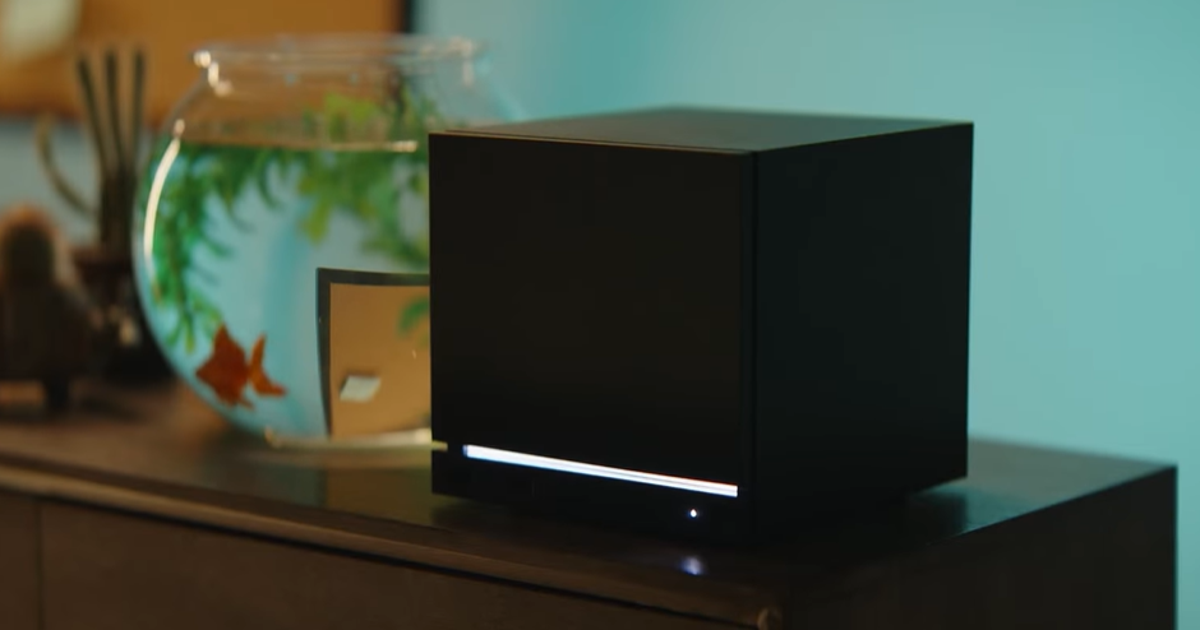
Valve says its forthcoming Steam Machine will be competitively priced with equivalent PCs rather than subsidised by the company, and aims to offer strong value for its performance tier. The console runs SteamOS, is claimed to be roughly six times more powerful than the Steam Deck, highlights small form factor and low noise, and is scheduled to launch in 2026; no retail price has been set. For investors, the announcement signals a disciplined hardware pricing strategy consistent with prior Valve launches (e.g., Index at $999) that may preserve margins but limit rapid market-share capture via loss-leading pricing.
Market structure: High-end GPU and foundry suppliers stand to capture incremental BOM spend if Valve’s machine nudges more PC-class buyers toward a single-box solution; expect NVDA/AMD/TSM upside of 3–8% in a constructive 6–12 month ramp if pre-order indicators show >100k units. Consumer console OEMs (Sony/MSFT) see negligible immediate share loss but pressure on ASPs in the premium console/PC-adjacent niche could compress mid-cycle pricing power by 50–150bp across peers.
Risk assessment: Low-probability tail risks include a skunkworks subsidized competitor triggering a price war, major TSMC/Taiwan disruption, or regulatory action on platform bundling—each could erase 20–40% of incremental supplier EBITDA in stress scenarios. Timeline: days — negligible; months — supply-chain order signals and OEM partnerships; years — structural shift if Valve captures >5% of high-end install base; watch capacity and margin cadence closely.
Trade implications: Favor long exposure to NVDA/AMD and select foundry names while using calendar/vertical call spreads to finance gamma; target 6–12 month expiries to match product ramp. Hedge with short-dated puts against operational/regulatory shocks and trim gaming hardware/console franchise exposure where guidance weakens by >3%.
Contrarian angles: Market may under-appreciate Valve’s ability to pull premium PC buyers into a managed box, concentrating demand and shortening upgrade cycles (benefit to GPUs/foundry), or over-appreciate share shift risks for diversified consoles. Historical parallel: Index/Deck launches supported component ASPs without large share theft; unintended consequence could be temporary OEM inventory tightness boosting supplier margins for 2–4 quarters.
AI-powered research, real-time alerts, and portfolio analytics for institutional investors.
Request DemoOverall Sentiment
mildly positive
Sentiment Score
0.25
