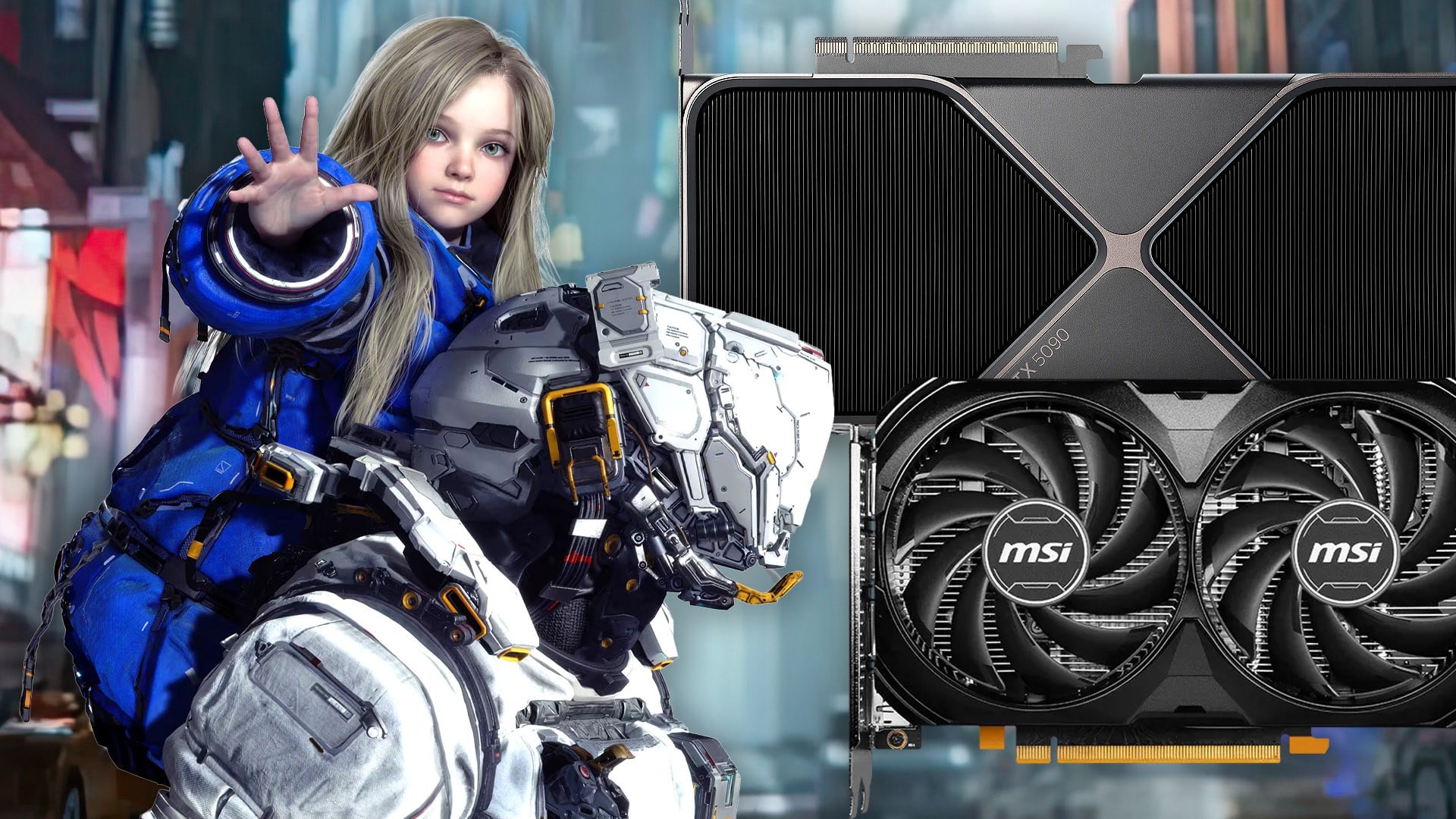
Capcom's Pragmata is described as a standout original IP with strong technical polish, innovative hacking mechanics, and highly impressive path-traced visuals on high-end PCs. The article highlights solid performance even on mid-range hardware, though 8GB VRAM cards can suffer stutter and uncertainty around memory limits. Overall, it frames Pragmata as a successful showcase for Capcom's RE Engine, with the main caveat being PC optimization guidance for lower-VRAM GPUs.
NVDA is the cleanest indirect beneficiary here, but the more interesting point is that the demand signal is not just “another pretty game” — it is a showcase for real-time path tracing becoming commercially viable on upper-tier consumer hardware. That matters because it reinforces the premium GPU upgrade cycle and keeps the market focused on high-end card differentiation rather than commoditization, especially as frame-generation and denoising quality become the selling points that justify ASPs. The near-term read-through is supportive for NVDA’s gaming mix, but the broader implication is that software increasingly becomes the excuse for consumers to stretch into higher VRAM bins and newer architectures. The article also highlights a structural fault line in the PC market: 8GB cards are becoming the bottleneck for next-gen visual features, and that shifts the pain from game developers to hardware owners. Second-order, this is bearish for the installed base of older midrange GPUs and supportive for both Nvidia’s Ada/Blackwell upgrade narrative and AIB/channel inventory digestion of older SKUs. Over the next 1-2 quarters, that should help clear low-end excess, but it also raises the risk of consumer backlash if developers are seen as shipping titles that are effectively unusable without vendor-specific upscaling or VRAM workarounds. The contrarian angle is that the market may be underestimating how small the addressable audience is for path-traced showcase titles versus how much narrative value they create. In other words, this is more important for sentiment and product halo than for unit volume today. If the broader PC gaming cycle weakens or if users conclude that 16GB becomes the minimum for “premium playable,” the upgrade path helps Nvidia, but it may also lengthen replacement cycles for everyone else — a modest headwind to total gaming GPU units in the near term. Catalyst-wise, the next 3-6 months matter most: more AAA releases with similar rendering demands would validate the trend, while any widely publicized VRAM/stutter complaints could temper enthusiasm and shift buyers toward console or delayed upgrades. The key risk to the bullish NVDA read is that consumers attribute performance to software inefficiency rather than hardware scarcity, which would blunt willingness to pay up until the next product cycle.
AI-powered research, real-time alerts, and portfolio analytics for institutional investors.
Request DemoOverall Sentiment
moderately positive
Sentiment Score
0.65
Ticker Sentiment
