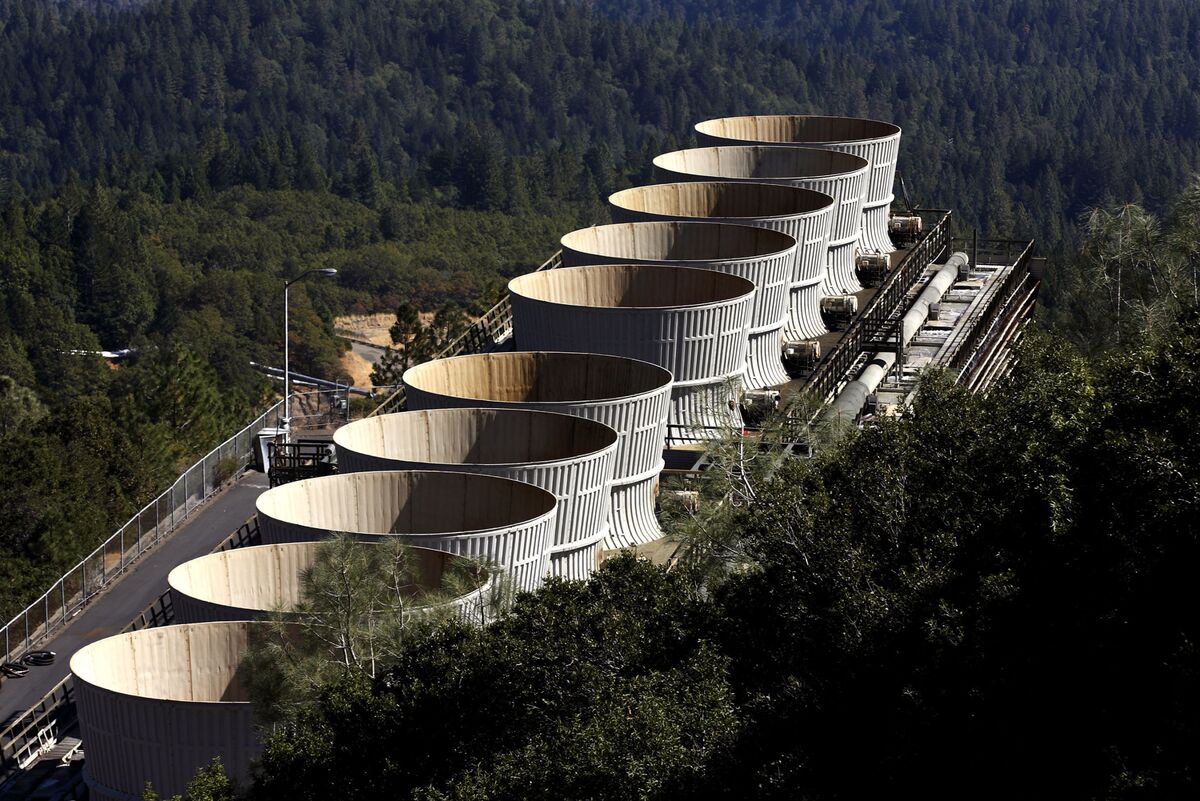
Constellation Energy reached a settlement with the U.S. Justice Department clearing the way to complete its $16.4 billion acquisition of Calpine, subject to divesting two sites and a minority stake in another (in addition to four plants already agreed to be divested in July). If approved by the courts, the deal — designed in part to address rising power prices — will create the largest U.S. fleet of power plants and resolve a civil antitrust lawsuit, materially reducing regulatory uncertainty but limiting some scale benefits through required asset sales.
Market structure: The Constellation (CEG)–Calpine tie-up (with six plants + a minority stake carved out via divestitures) pushes CEG to the top of U.S. thermal dispatch stacks, increasing near-term pricing power in tight regional capacity markets (ISO/RTO scarcity events could raise realized spark spreads by 10–30% in peak months). Direct winners: CEG (scale, contract negotiating leverage), capacity-market-exposed merchant generators and hedge funds long spark-spread exposure; losers: smaller independent generators lacking dispatch flexibility and politically exposed retail suppliers facing PR/regulatory risk.
Risk assessment: Key tail risks include a court reversal or additional divestitures (10–30% probability) that could shave >$3–5bn of deal value and meaningfully dilute projected synergies, and integration/operational outages causing short-term earnings hits. Time horizons: expect immediate (days) volatility around court filings, short-term (0–6 months) uncertainty as divestitures are executed, and long-term (1–3 years) structural margin improvement if capacity markets tighten. Hidden dependencies include RTO/ISO rule changes and state-level legislative backlash that can cap merchant pricing.
Trade implications: Tactical trades favor CEG equity and dispersion/volatility plays: consider modest long exposure to CEG ahead of closing while hedging regulatory risk with protective puts; use call spreads to cap premium if bullish over 6–12 months. Rotate modestly into merchant generator peers with strong balance sheets (e.g., VST, NRG) on realized-heat-rate strength, but underweight regulated utilities (XLU) where upside from merchant scarcity is muted. Entry: size initial positions in next 2–8 weeks; re-evaluate after court sign-off or 30–90 day divestiture announcements.
Contrarian angles: Consensus assumes consolidation always increases prices; regulators may force more divestitures or tighter market rules—if so, CEG upside is capped and smaller nimble generators could outperform. Historical parallels: 2001–2010 generation consolidation led to short-term price spikes then regulatory tightening; if that repeats, merchant premiums could compress within 12–24 months. Unintended consequence: political pressure could accelerate renewables/storage procurement, creating stranded thermal assets and long-term downside for CEG absent proactive asset conversion plans.
AI-powered research, real-time alerts, and portfolio analytics for institutional investors.
Request DemoOverall Sentiment
mildly positive
Sentiment Score
0.30
Ticker Sentiment
