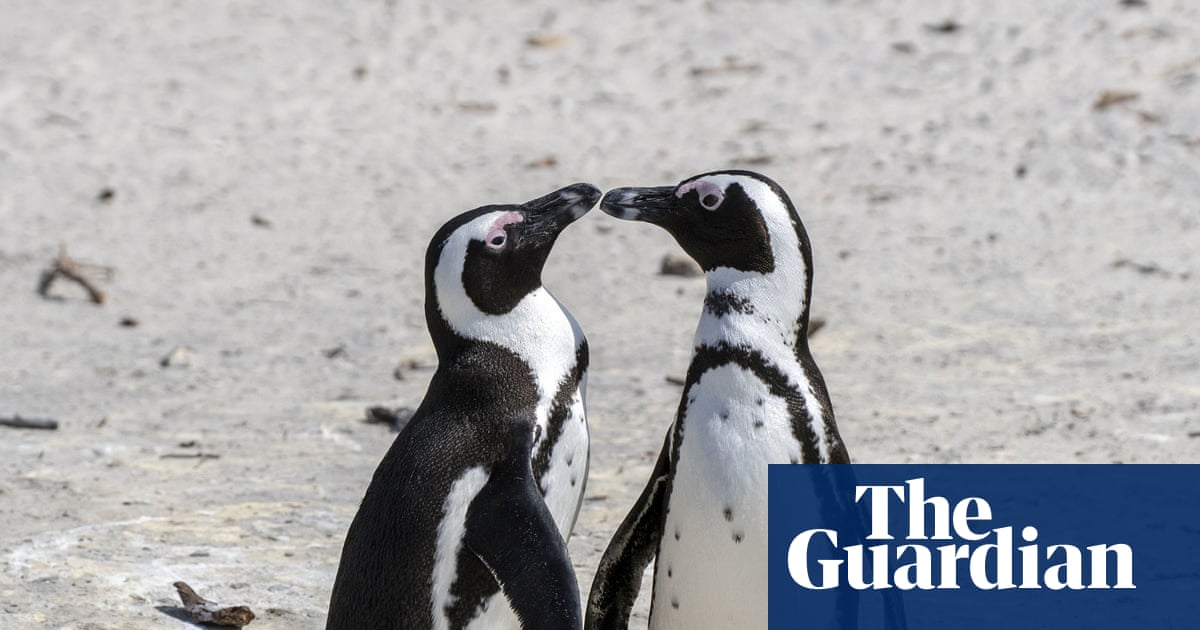
A new paper reports that more than 60,000 African penguins in South African colonies likely starved between 2004 and 2012 as sardine (Sardinops sagax) biomass collapsed, with over 95% mortality recorded at Dassen and Robben Islands and an almost 80% species decline over 30 years. The study attributes the decline to climate-driven changes in temperature and salinity reducing spawning success, compounded by sustained high fishing pressure; sardine biomass fell to about 25% of its maximum in most years since 2004. Policy responses include banning commercial purse-seine fishing around the six largest breeding colonies and conservation measures such as artificial nests and hand-rearing, with researchers urging more sustainable fisheries management to prevent further population collapse.
Market structure: The collapse of sardine biomass (down to ~25% of peak in most years since 2004) is a local supply shock that directly hurts South African small-pelagics fishermen and downstream canned/fishmeal processors while increasing pricing power for global suppliers able to fill the gap. Expect increased imports of canned/sardine substitutes (raising margin pressure on local brands) and a 10–30% spike risk in local fishmeal/fish-oil prices over 3–12 months, shifting demand into soy/vegetable protein markets.
Risk assessment: Tail risks include regulatory escalation (extension of purse-seine bans across more zones), ESG-driven divestment from JSE fishing names, or climate-driven multi-year shifts in spawning that permanently lower stock — each could erase >50% of local fisheries cashflow over 1–3 years. Near term (30–90 days) catalysts are DFFE quota announcements and NGO/legal actions; long term (2–5 years) the structural shift is toward aquaculture and feed-protein substitution.
Trade implications: Practical plays are to short concentrated South African fishing equities and processors while going long global aquaculture and feed-protein names/ETFs. Cross-asset impacts: expect modest ZAR weakness (-2–6%) on weaker export receipts, higher volatility in related JSE bonds, and commodity spillover into soymeal futures/ETFs (SOYB).
Contrarian angles: Consensus may over-penalize all fishing assets — vertically integrated or export-oriented firms with diversified species may be undervalued if quotas are temporary. Conversely, aquaculture leaders (e.g., MOWI) face capex-led margin pressure if many players scale capacity simultaneously; the supply response could mute gains, so size and timing matter.
AI-powered research, real-time alerts, and portfolio analytics for institutional investors.
Request DemoOverall Sentiment
moderately negative
Sentiment Score
-0.42
