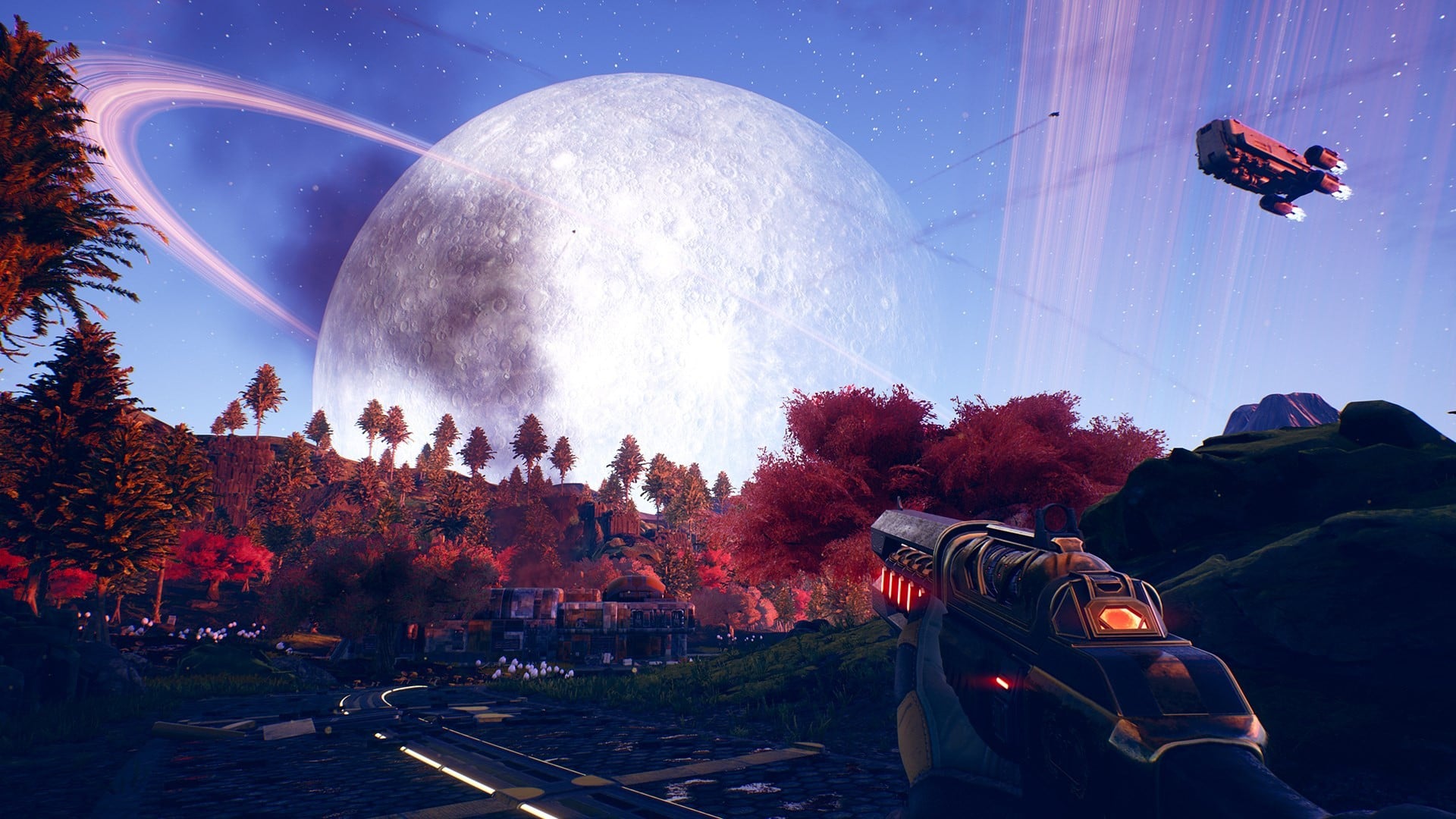
The Outer Worlds base edition will be delisted on May 27, with Spacer’s Choice Edition becoming the standard version and existing owners receiving the remaster free on supported platforms. The Spacer’s Choice Edition will retail for $39.99, while the Xbox One version will drop to $24.99 and its DLCs to $14.99. The update is mildly positive for existing players and primarily affects game distribution rather than broader market conditions.
This is less a content event than a pricing/packaging reset: the publisher is using delisting to force migration to a higher-ARPU SKU while selectively preserving legacy access. The immediate winners are the platform owners and digital storefronts that can monetize the upgrade path with essentially zero distribution cost; the hidden beneficiary is the publisher’s attach-rate math, because the free-upgrade cohort shrinks near-term unit sales but likely lifts engagement and conversion into DLC/next-title awareness over the next 1-2 quarters.
The more interesting second-order effect is on PC versus console demand. On PC, removing the base SKU increases friction for price-sensitive buyers and may shift some demand to resale-like behavior via key inventories before the cutoff, but after the date it should mechanically funnel late buyers into a more expensive version. On console, the surprise is that the “free upgrade” provision can create a small but real incentive to purchase the cheaper legacy SKU before the deadline, which may briefly pull forward demand and distort weekly sales comparisons around the event window.
From a risk standpoint, the main downside is consumer backlash if users perceive forced upsell behavior or confusing entitlement changes; that risk is highest over the next 2-6 weeks, not months. If the rollout is messy, the publisher could see short-lived rating/review damage and weaker conversion on the premium edition, but the economic damage should be limited unless there is evidence the upgraded build is materially inferior or incompatible.
Contrarian take: the market may be underestimating how often “remaster as default” strategies can improve monetization without meaningfully expanding the audience. This is bullish for disciplined catalog monetization across the industry, but not necessarily for unit growth. The real signal is that management is prioritizing margin and shelf architecture over broad accessibility, which tends to work best when franchise demand is sticky and the install base is already fragmented across versions.
AI-powered research, real-time alerts, and portfolio analytics for institutional investors.
Request DemoOverall Sentiment
mildly positive
Sentiment Score
0.20
