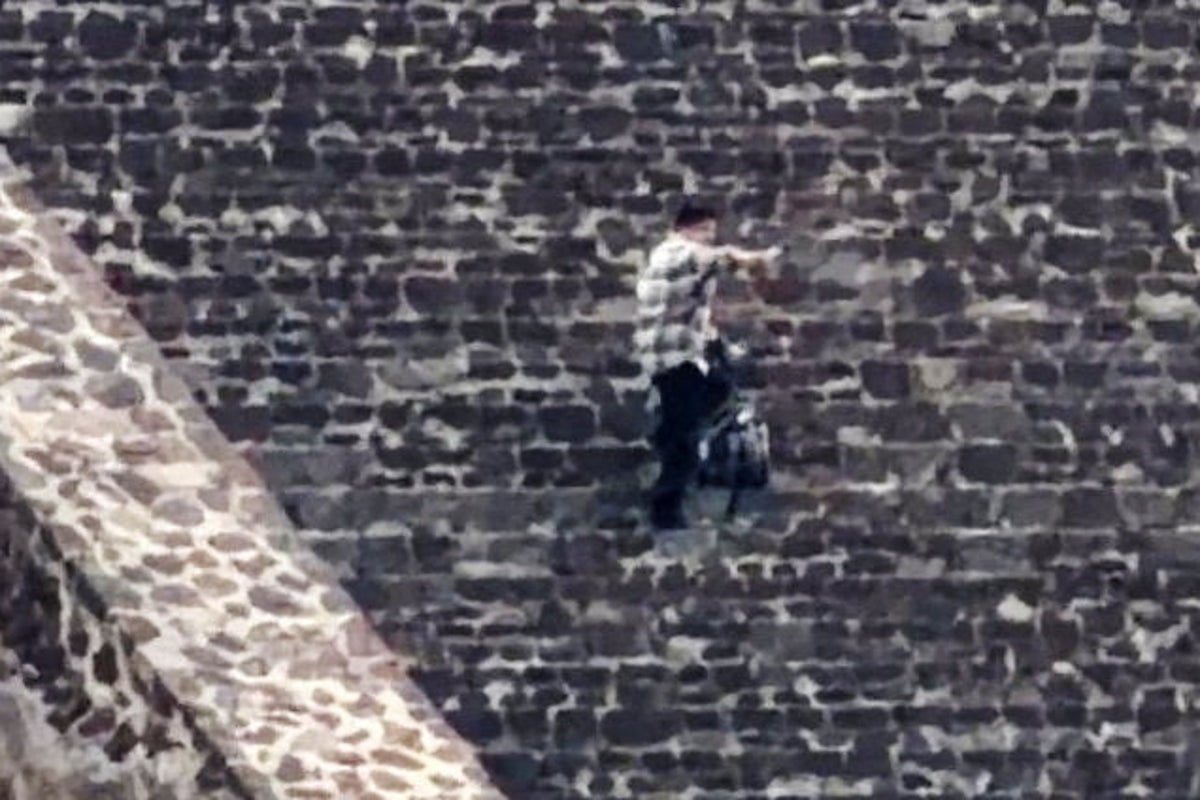
A mass shooting at Mexico’s Teotihuacan pyramids killed 1 Canadian tourist and injured at least 13 others, including six Americans, three Colombians, one Russian and two Brazilians. Authorities identified the shooter as 27-year-old Julio Cesar Jasso, who later died from a self-inflicted wound; the archaeological site has been closed until further notice. The incident is a severe safety shock for one of Mexico’s major tourist destinations, though the immediate broader market impact is likely limited.
This is not a one-off security event for tourism; it is a confidence shock to a category that depends on perceived low-friction access. The immediate loser set is broader than local operators: airlines, inbound tour packages, ride-hailing, and adjacent Mexico leisure exposure will see a short-lived but real booking pause, especially from Canadian and U.S. travelers who are most sensitive to headline risk. The second-order effect is that premium visitors pivot first to substitute destinations in the Caribbean and U.S. leisure markets, where pricing power can briefly improve if Mexico demand softens.
The bigger issue is operational credibility. Once a marquee UNESCO site appears vulnerable, the market starts pricing not just direct security spend but a regime change in site controls: tighter access, longer queues, possible capacity throttles, and higher insurance/security costs. That combination can compress conversion in the next 1-3 months even if visitation ultimately recovers, because group tours and cruise excursions rebook on short notice and tend to favor reliability over value.
The contrarian point is that the selloff in Mexico leisure proxies is likely to overshoot if investors extrapolate a structural demand collapse. The incident is catastrophic for sentiment but does not by itself change the fundamental draw of Mexico’s tourism infrastructure; the more durable risk is a temporary friction increase rather than a permanent demand destruction. If authorities respond with visible hardening in days rather than weeks, the market could mean-revert quickly, especially into peak booking season.
For markets, the cleanest expression is not a broad macro short but a relative-value trade on Mexico leisure sensitivity versus beneficiaries of tourism substitution. The timing matters: the first 3-10 trading days should capture the sentiment dislocation, while a 1-3 month horizon is about whether security remediation restores confidence fast enough to avoid a booking air pocket.
AI-powered research, real-time alerts, and portfolio analytics for institutional investors.
Request TrialOverall Sentiment
extremely negative
Sentiment Score
-0.92
