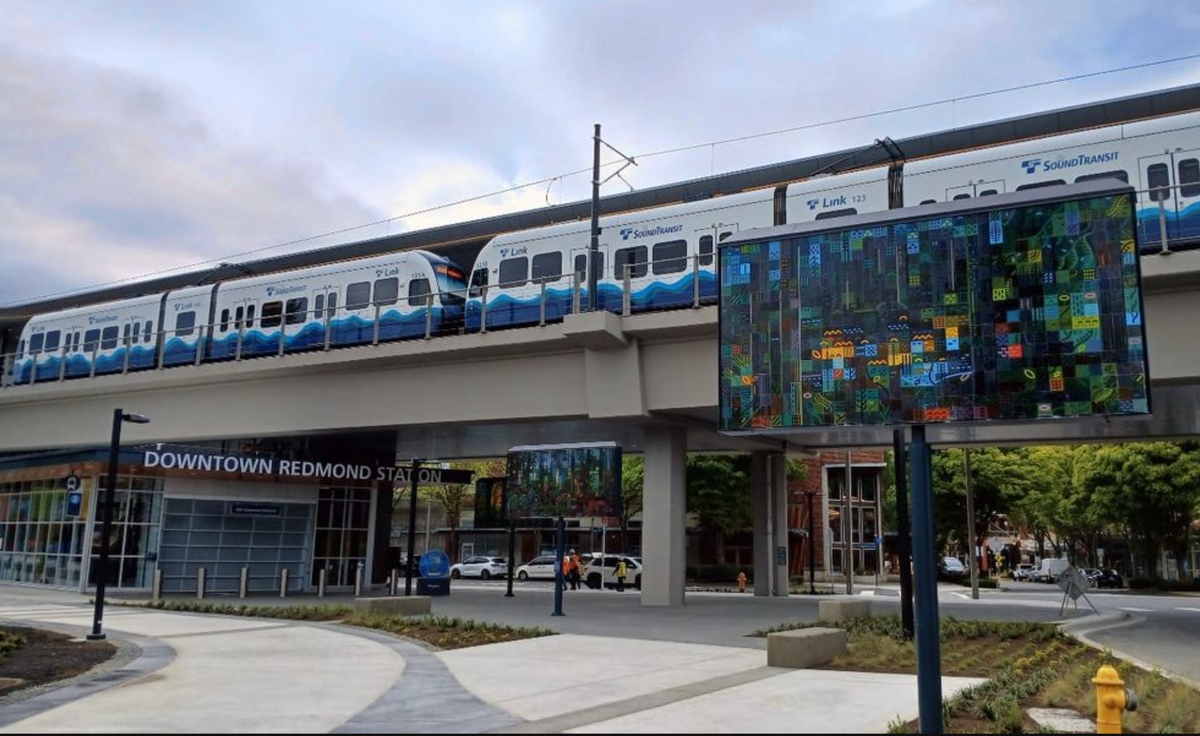
Sound Transit approved a major ST3 reset to address a $34 billion budget shortfall, leaving $9.3 billion to $11.3 billion in additional savings or funding still needed and $2.5 billion in projects fully deferred. Ballard Link’s northern stations were left unfunded, while Graham Street was funded, Boeing Access Road remained unaffordable at $476 million, and Renton’s parking garage received a $100 million transfer. The plan reduces near-term project certainty for Seattle-area light rail, but preserves West Seattle Link and Everett Link timelines for now.
The market implication is not the transit headlines themselves but the re-pricing of execution risk across the entire regional infrastructure stack. Once a program moves from “build everything” to “build what can be funded,” contractors, engineering firms, and landholders with exposure to the outer-ring projects lose optionality: deferred segments become funding-authority rather than demand-driven, which usually compresses valuation multiples and pushes revenue recognition further out by years. The near-term beneficiary is the portion of the ecosystem tied to advanced design, environmental work, and early works on the projects that remain on the critical path, because agencies typically preserve those budgets even while chopping harder-construction items.
The more important second-order effect is fiscal crowd-out. Every dollar redirected to parking, service patches, or incremental station fill-ins is a dollar not available for tunneling, civil works, or debt capacity, which means the bottleneck shifts from political approval to balance-sheet headroom. That is negative for municipal credit optics over time: if the agency repeatedly substitutes transfers, grants, and one-off fund sweeps for durable financing, the asset-liability gap becomes harder to close and the probability of future state intervention rises. For vendors, that translates into longer bid cycles, more scope fragmentation, and greater margin pressure as management tries to squeeze the same labor and materials market into smaller, delayed packages.
The contrarian read is that this is not automatically bearish for the surviving core projects. By forcing triage now, the board may actually reduce the odds of a catastrophic multiyear reset later, which can be constructive for projects that still have federal procedural momentum. In other words, the negative signal is strongest for deferred segments and weakest for the tranche that remains in design/permitting; those names can outperform if the market had been discounting a broader cancellation scenario. The key catalyst window is 6-12 months, when the independent review, bond-authority lobbying, and federal grant timing will either unlock a cleaner funding path or confirm that today’s “temporary” deferrals are effectively permanent.
AI-powered research, real-time alerts, and portfolio analytics for institutional investors.
Request DemoOverall Sentiment
mildly negative
Sentiment Score
-0.25
Ticker Sentiment
