







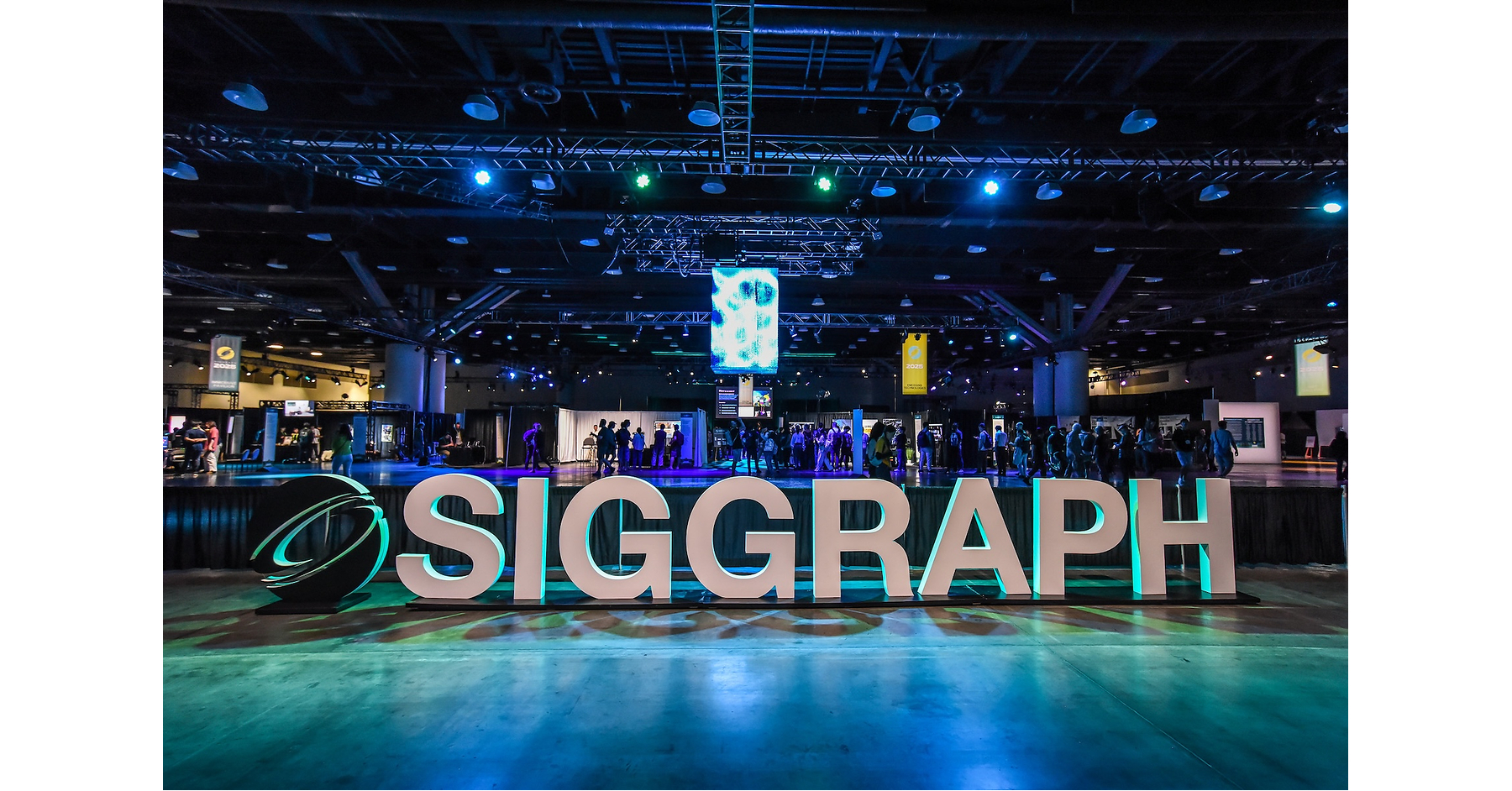
SIGGRAPH 2026 (July 19–23, 2026) returns to Los Angeles, highlighting LA’s film/VFX, game, and research ecosystem with thousands of innovators at the Los Angeles Convention Center. The program spotlights scaling generative AI for major virtual production (e.g., The Wizard of Oz at Sphere) and includes sessions spanning virtual/spatial storytelling, games pipelines, and NVIDIA’s open-source Slang shading language. Overall, the article is a promotional/industry development update with limited direct financial market impact.
This is more of a signaling event than a fundamental inflection, but the signal matters for where the next dollar of compute spend is likely to land. The durable beneficiaries are the GPU/platform layer and the small set of software vendors that sit in the toolchain, not the studios whose names appear on stage. In practice, that argues for NVDA first, then AMD as a share-taker in workstation and rendering workloads; the second-order read-through is that AI-assisted asset creation and simulation should keep pushing graphics budgets away from labor and toward accelerated hardware, middleware, and cloud rendering over the next 6-18 months.
The market may be underestimating how this compresses production timelines for content owners like NFLX, SONY, EA, and SPHR. Faster iteration lowers cash burn on visual effects and immersive content, but it also raises the bar for differentiation: if everyone can produce cinematic-quality assets cheaper, the value migrates to proprietary IP, distribution, and runtime platforms rather than production capability alone. That is structurally positive for NVIDIA’s ecosystem and, to a lesser extent, for Sphere content monetization if AI-assisted production materially increases show cadence; it is less obviously positive for legacy studios whose margins can be pressured by faster competitive matching.
Near term, this is likely only a sentiment tailwind unless a conference demo converts into an enterprise procurement cycle or a new workflow standard. The contrarian risk is that investors overread research conference enthusiasm and bid up graphics names without evidence of incremental capex or software revenue; the first falsifier is a weak data-center/gaming guide from NVDA or any sign that AI graphics tools are still pilot-only rather than production-critical. If the event matters, it should show up in order commentary and pipeline references over the next 1-2 quarters, not in this week’s price action.
AI-powered research, real-time alerts, and portfolio analytics for institutional investors.
Request TrialOverall Sentiment
mildly positive
Sentiment Score
0.12
Ticker Sentiment
