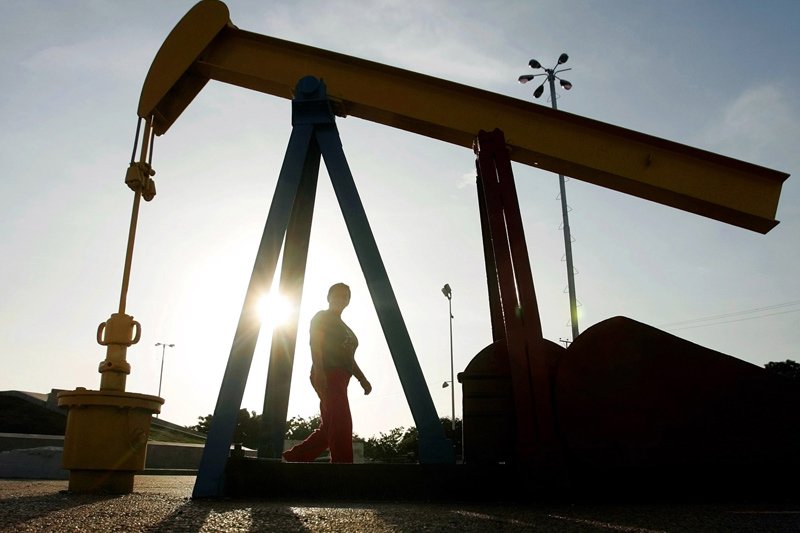
President Trump criticized NATO for its reluctance to help unblock the Strait of Hormuz but said the U.S. does not require assistance and cited 'great support' from Qatar, the UAE, Saudi Arabia and Bahrain. The Strait of Hormuz is a key maritime chokepoint for a large share of global oil shipments, so continued tension could pressure oil prices and raise shipping/insurance costs; monitor energy names and defense contractors for potential volatility.
Geopolitical stress concentrated around a maritime chokepoint raises immediate micro cost pressure on long‑haul carriers (fuel, reroutes, insurance) while leaving domestic short‑haul ULCC economics largely intact. That bifurcation explains why lower‑cost, point‑to‑point models are cheaper to scale through short‑term turbulence: a 3–6 week spike in jet fuel can wipe 5–8% off widebody unit margins but only ~1–3% off short‑haul LCCs that turn aircraft faster and hedge less.
Industrial conglomerates with mixed commercial/defense footprints are trading on headline risk rather than backlog visibility; the market often overshoots on order uncertainty but under-weights sticky military/recurring service revenue that re‑rates over 6–18 months. Honeywell‑type exposure will see near‑term margin pressure from supply‑chain cost pass‑throughs, yet order cadence for avionics and logistics services creates a floor absent sustained sanctions escalation.
Separately, the AI/compute bucket (SMCI, APP) remains a structural beneficiary of capital reallocation into data center and advertising monetization even as macro risk ricochets: defense/HPC procurement cycles could accelerate multi‑quarter order windows for SMCI if governments prioritize compute for ISR/analytics, while APP’s revenue mix is resilient to regional trade shocks. Valuation tempo is the main risk — short supply lead times and channel pull‑forward compress catalyst timing but steepen upside if FY+1 guidance holds.
Contrarian guardrails: a clear de‑escalation (diplomatic corridor, insurance normalization) would compress energy premia and rapidly boost cyclical industrials while reducing travel‑cost passes; conversely, a sustained >$10/bbl move in Brent inside 30 days would flip LCCs from relative winners to high‑volatility losers. Watch oil at $80 and marine insurance spreads as the decisive 2–6 week triggers that will flip the trade deck.
AI-powered research, real-time alerts, and portfolio analytics for institutional investors.
Request DemoOverall Sentiment
neutral
Sentiment Score
0.00
Ticker Sentiment
