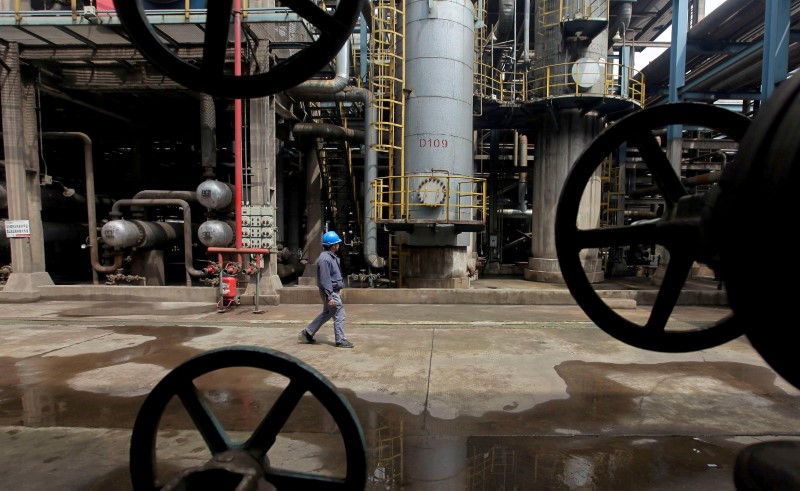
Brent crude fell 2.8% to $91.60 a barrel and WTI declined 3.8% to $87.81 after easing Middle East tensions, though prices remained supported by renewed U.S.-Iran conflict fears. Trump said the U.S. will respond after Iran shot down an American helicopter, while the fragile ceasefire and Strait of Hormuz disruptions continue to underpin oil risk premiums. Markets are also watching U.S. inflation data this week for signs that the energy spike is feeding broader price pressures and could influence Fed policy.
The immediate setup is less about the direction of crude and more about realized volatility: a fragile ceasefire plus repeated headline shocks means the front end of the oil curve should trade like a binary event option rather than a macro asset. That tends to benefit upstream producers with low break-even costs and explicit leverage to spot, but the bigger second-order winner is shipping-adjacent infrastructure outside the Strait of Hormuz—pipeline corridors, storage, and non-Gulf export routes gain strategic optionality as buyers pay for reliability, not just barrel price.
The main loser set is downstream: airlines, chemicals, trucking, and discretionary retail all face a margin squeeze if crude remains elevated long enough to bleed into pump prices and freight rates. The inflation channel matters more than the energy move itself; if next week’s prints show even a modest pass-through, the market will start pricing a higher-for-longer central bank response, which can cap equity multiples well before the commodity itself peaks. That makes this a cross-asset trade, not just an energy trade.
The market may also be underestimating how quickly political rhetoric can reverse the spike. When headline risk is this concentrated, a single de-escalation signal can erase several dollars per barrel in hours, so chasing strength in spot oil is poor risk/reward unless hedged with downside convexity. Conversely, any renewed disruption in maritime flows would reprice prompt physical barrels much faster than broad equity beta, creating a tighter, cleaner expression through oil options than through broad market ETFs.
The contrarian read is that the initial move may already be partially discounting the supply shock while underpricing demand destruction. If crude stays near current levels for several weeks, refiners begin to absorb the pain, end-user demand softens, and the inflation impulse becomes self-limiting. In that case, the asymmetry shifts from long oil to long volatility and relative value within energy, especially between resilient integrateds and more exposed transport/downstream names.
AI-powered research, real-time alerts, and portfolio analytics for institutional investors.
Request DemoOverall Sentiment
mildly negative
Sentiment Score
-0.35
