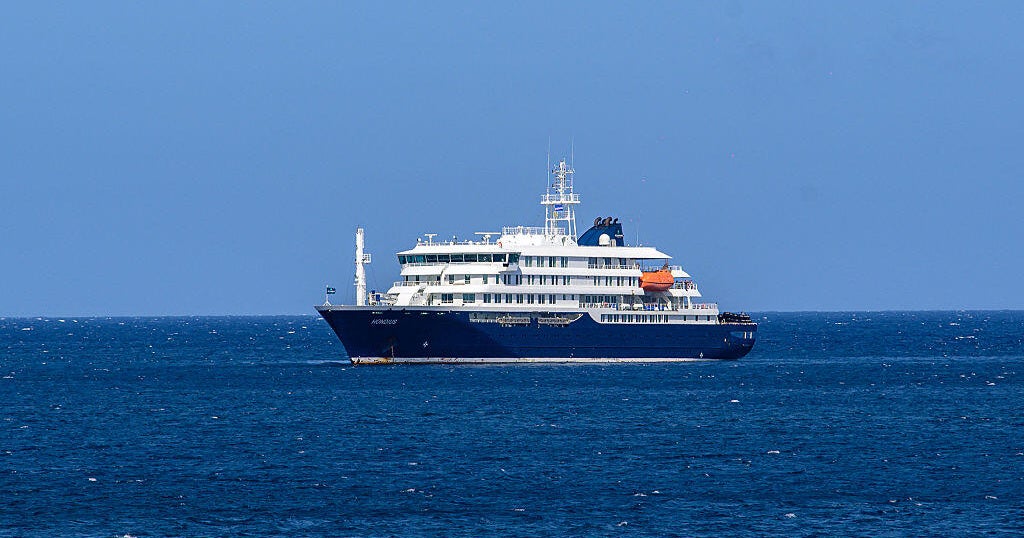
France's Pasteur Institute said the hantavirus from the MV Hondius cruise ship outbreak matches known Andes virus strains, with no evidence yet of a more transmissible or more dangerous variant. The outbreak has reached 10 cases, including 3 deaths, and the French passenger was treated in Paris after testing positive. Authorities are continuing monitoring of evacuated passengers, including 17 Americans and one British dual citizen repatriated via Spain's Canary Islands.
The sequencing result materially lowers the odds of a “novel pathogen” rerating, which matters because travel-linked outbreaks only become equity events when they imply sustained operational disruption rather than a one-off containment story. That pushes the market impact back toward the usual second-order channels: temporary booking deferrals, higher quarantine/insurance costs, and a short-lived hit to premium cruise sentiment rather than a systemic reevaluation of the leisure complex.
For cruise operators, the bigger risk is not this strain itself but the reputational afterglow from any multi-death incident on a ship, especially as older travelers remain the highest-value cohort. Even if the medical risk is contained, the commercial drag can linger 1-2 quarters through softer close-in bookings and higher sensitivity around itineraries that include wildlife/remote South America excursions. That is more relevant for operators with a higher mix of expedition cruising than mass-market lines.
The contrarian read is that the market may over-discount the incident for broad travel names while underpricing the relative damage to specialist expedition operators and adjacent insurers. Because the pathogen appears familiar, policy response should stay localized; that means any weakness in the broad travel basket is more likely a buy-the-dip opportunity than a durable de-rating, whereas names exposed to niche polar/expedition demand could see a cleaner earnings revision cycle if sales teams need to incentivize bookings for several months.
Second-order, the event modestly supports healthcare diagnostics and surveillance spending narratives: governments and ports will likely increase screening protocols, benefiting firms tied to PCR/rapid testing and outbreak-monitoring infrastructure over the next 6-12 months. The key catalyst to watch is whether additional secondary cases emerge among repatriated passengers; absent that, the trade should fade quickly, but any confirmed transmission cluster would rapidly revive quarantine risk and widen the downside for cruise capacity utilization.
AI-powered research, real-time alerts, and portfolio analytics for institutional investors.
Request DemoOverall Sentiment
mildly negative
Sentiment Score
-0.20
