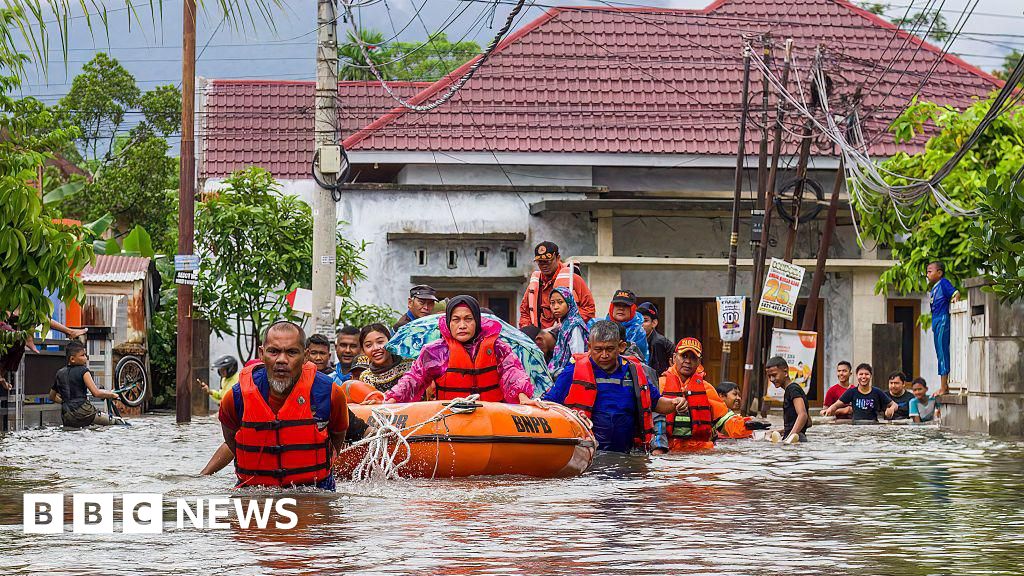
Severe monsoon rains and rare tropical cyclones have caused catastrophic flooding and landslides across parts of southern Asia, killing about 600 people overall — including more than 300 in Indonesia (nearly 300 still missing), roughly 160 in Thailand (including at least 145 in Songkhla), 130+ in Sri Lanka (about 170 missing) and several in Malaysia. Millions have been affected (Thailand reported >3.8 million), tens of thousands evacuated or in shelters, widespread infrastructure damage (15,000+ homes destroyed in Sri Lanka, large-scale power and water outages) and states of emergency declared; the events raise localized sovereign, insurance/reinsurance and reconstruction risk and could disrupt regional economic activity and logistics. Climate-change links were noted, with meteorologists pointing to interactions between Typhoon Koto and Cyclone Senyar intensifying the event.
Market structure: Immediate winners are global reinsurers and specialty P&C carriers that can reprice (e.g., Munich Re MUV2.DE, Swiss Re SREN.S) and regional building-materials and heavy-equipment suppliers (Semen Indonesia SMGR.JK, Siam Cement SCC.BK). Direct losers are local property insurers, small regional banks with concentrated SME exposure, tourism/hospitality operators and supply-chain dependent exporters; expect insured losses in the region to range $1–5bn and economic losses $5–15bn, concentrating price power in reinsurers over 6–12 months.
Risk assessment: Tail risks include cascading sovereign stress (Sri Lanka spreads jumping +200–500bps), political caps on insurance payouts, or shipment-blocking infrastructure damage that spikes commodity inflation. Immediate (days) is rescue/liquidity strain, short-term (weeks–months) is claims and FX weakness (LKR, IDR, THB pressure), long-term (quarters) is a hardened reinsurance cycle and higher reconstruction demand for materials lasting 12–24 months.
Trade implications: Favor long reinsurance and large-cap reinsurers, long regional cement/aggregate names, and long heavy-equipment OEMs (CAT) for reconstruction; hedge with short exposure to local insurers and regional tourism/lodging operators. Use options to buy 3-month call spreads on reinsurers to capture rate hardening while selling covered calls in cyclical tourism names. Expect to deploy capital over 7–90 days and trim as rate signals materialize (renewals within 6–12 months).
AI-powered research, real-time alerts, and portfolio analytics for institutional investors.
Request DemoOverall Sentiment
strongly negative
Sentiment Score
-0.65
Contrarian view: The market may overreact by punishing all insurers; structurally the event accelerates premium inflation (10–30% repricing potential at renewals) that benefits diversified reinsurers for multiple quarters. Watch for regulatory interventions or large reserve hits (>5% of book) that would invalidate the trade; absent those, insurer equity is likely underpriced relative to near-term premium tailwinds.
