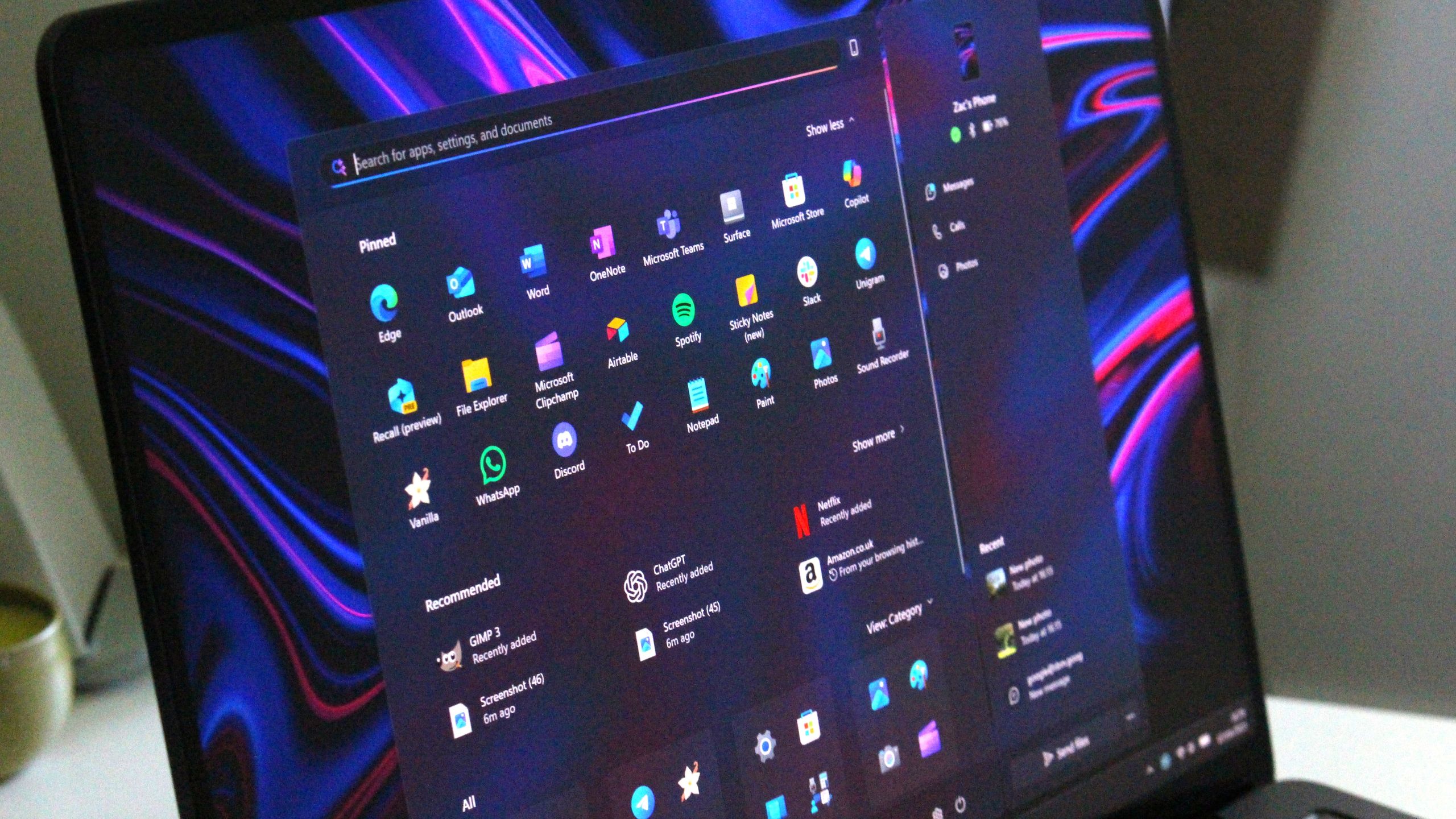
Microsoft is testing Windows 11 version 26H2 (build series 26300), slated as a fall enablement-package update based on the Germanium platform that will update 24H2/25H2 devices with minimal feature changes and only under‑the‑hood platform improvements. A separate spring platform update (26H1) based on a newer Bromine platform is expected to be limited to new PCs with next‑gen Arm chips, raising the possibility of two divergent 26H2 builds this year; rollout will be phased by device and region. Investors should view this as product lifecycle and platform maintenance news rather than a revenue or feature-driven catalyst.
Market structure: The 26H2 release is functionally an enablement patch so direct revenue impact to MSFT is negligible (<1–2% revenue effect near-term), but the simultaneous Bromine/Arm track creates a multi-year tailwind for ARM (ticker ARM) and Arm-focused silicon partners (e.g., QCOM) and a gradual structural headwind to x86 incumbents like INTC (potential share erosion of 1–3% CAGR over 2–3 years if OEM adoption accelerates). OEMs (DELL, HPQ) and foundries (TSM) stand to benefit from refresh cycles; demand shock is incremental, not immediate — supply constraints unlikely to tighten materially this calendar year. Cross-asset: expect modest upticks in MSFT options implied vol around release windows (Sep–Oct) and asymmetric tail risk priced into short-dated protection; bond/FX/commodities impact is immaterial.
Risk assessment: Tail risk centers on a high-profile broken update causing enterprise outages, regulatory scrutiny, or class actions that could produce a -3% to -8% MSFT market-cap hit intraday and multi-week underperformance; probability low but non-zero ahead of the fall rollout. Time horizons: immediate (days) — watch Insider build notes; short-term (weeks–months) — volatility around official release (Sep–Oct); long-term (quarters–years) — platform bifurcation towards Arm. Hidden dependencies: OEM cadence, driver/ecosystem readiness, and enterprise imaging tools; catalysts include Microsoft/Ignite announcements, Qualcomm/AMD Arm-PC launches, and a major security incident.
Trade implications: Direct: consider establishing a 2–3% long position in ARM (ticker ARM) with a 6–18 month horizon to capture Windows-on-Arm momentum, and a 1–2% long in QCOM as a hardware supplier play. Hedge: add a 1–2% short position in INTC to capture x86 displacement risk. Options: buy 3–6 month MSFT (ticker MSFT) puts 5–8% OTM sized to 0.5–1% portfolio risk to hedge release-window tail risk (target expiry Oct–Nov 2026). Rotate 1–3% into cybersecurity names (CRWD, ZS) as enterprises prioritize endpoint resiliency.
AI-powered research, real-time alerts, and portfolio analytics for institutional investors.
Request DemoOverall Sentiment
neutral
Sentiment Score
0.00
Ticker Sentiment
Contrarian angles: The market underestimates developer friction from dual-platform Windows which could slow Arm uptake — if fragmentation stalls, ARM and QCOM could lag expectations, making ARM a volatile 6–12 month trade rather than a straight buy-and-hold. Historical parallels: Windows incremental releases rarely shift market structure immediately (compare Win7→8 frictions), so selling short-dated MSFT volatility pre-release may be overdone; conversely, a single large outage could create an outsized buying opportunity in MSFT on the dip. Monitor OEM Arm ship announcements and driver compatibility metrics weekly for early signals to increase or unwind positions.
