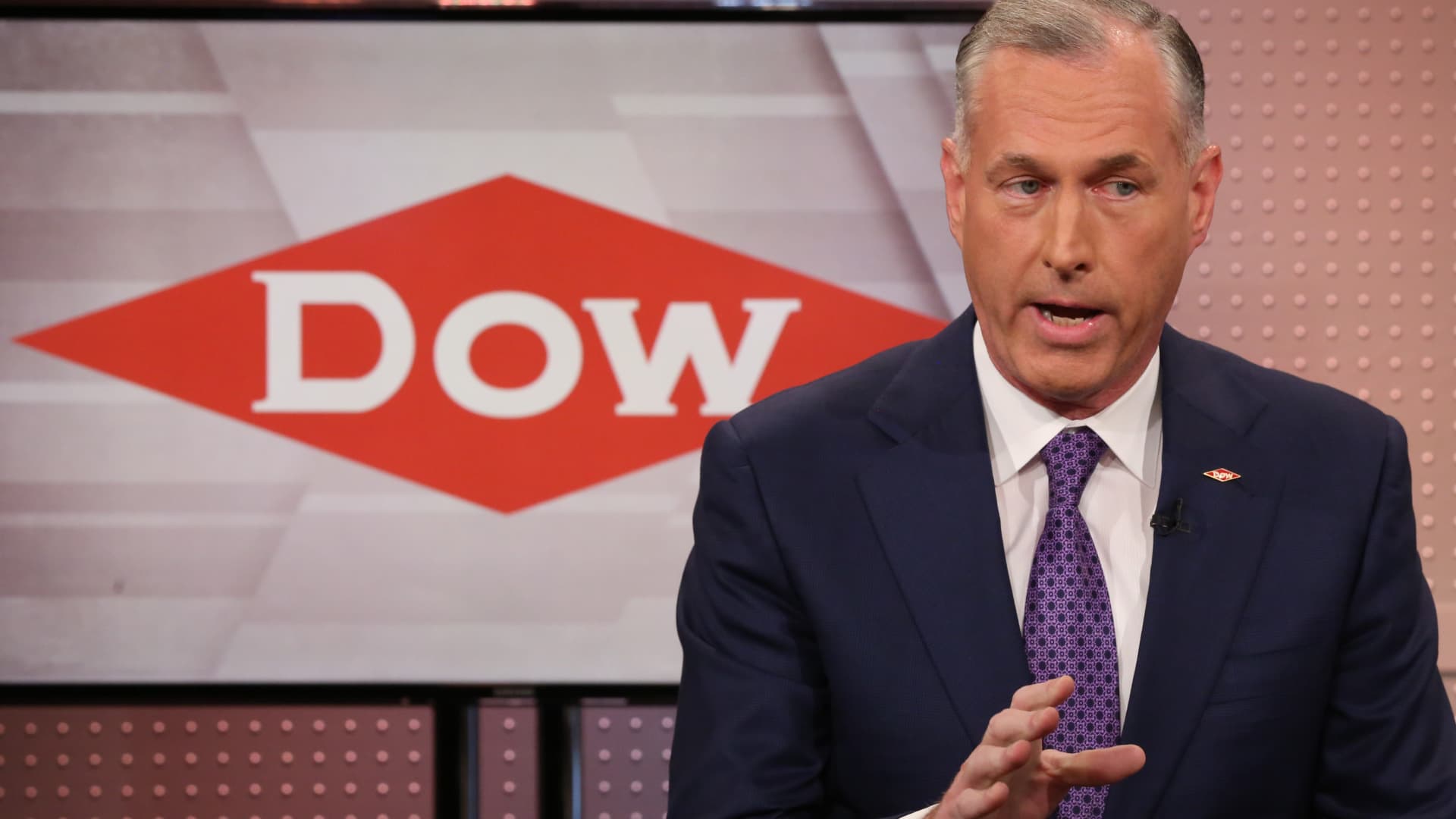
Dow CEO Jim Fitterling said it could take 275 days or longer for logistics in the Strait of Hormuz to normalize even if the waterway reopened immediately, warning the disruption would take several quarters to clear. He said the shutdown impacted about 20% of global oil capacity and roughly 50% of global ethylene and polyethylene production, while about 40% of naphtha used in Asian and European production flows through the strait. The bottleneck has already driven price increases of 10 cents per pound in March, 30 cents in April, and another 20 cents expected in May, supporting Dow's first-quarter results.
The market is still pricing this as a temporary supply shock, but the more important read-through is duration asymmetry: once tanker routing, demurrage, and inventory rebalancing start compounding, the recovery path can outlast the headline conflict by quarters. That creates a second-order squeeze in feedstocks for downstream chemicals and packaging, while also forcing Asian and European converters to buy protection into a market that now has less slack and longer lead times.
The bigger relative winner is not just the obvious domestic energy complex, but any producer with advantaged non-Middle East input exposure and flexible export optionality. Dow’s margin lift is helpful, yet the cleaner trade is on competitors and end-users whose cost bases are more sensitive to naphtha and freight: packaging, consumer staples with resin-heavy inputs, and chemical distributors with low inventory visibility should see margin pressure lag the initial commodity move by 1-2 quarters.
The contrarian risk is that the price spike itself becomes the cure. If naphtha and polymer prices stay elevated for several months, demand destruction can show up first in discretionary packaging and later in durable goods restocking, especially in Europe and parts of Asia. That means the near-term earnings impulse is real, but it may peak before the operational bottleneck fully normalizes, making this more attractive as a relative-value trade than a broad outright long on chemicals.
Catalyst sequencing matters: the next 4-8 weeks should be about inventory drawdowns, freight normalization, and management guidance revisions, not just spot prices. If logistics remain snarled into summer, expect upward estimate revisions for upstream-linked names and downward revisions for resin consumers; if diplomacy or corridor rerouting accelerates, the reversal can be fast because positioning is likely crowding into the inflation beneficiary basket now.
AI-powered research, real-time alerts, and portfolio analytics for institutional investors.
Request TrialOverall Sentiment
mildly negative
Sentiment Score
-0.25
Ticker Sentiment
