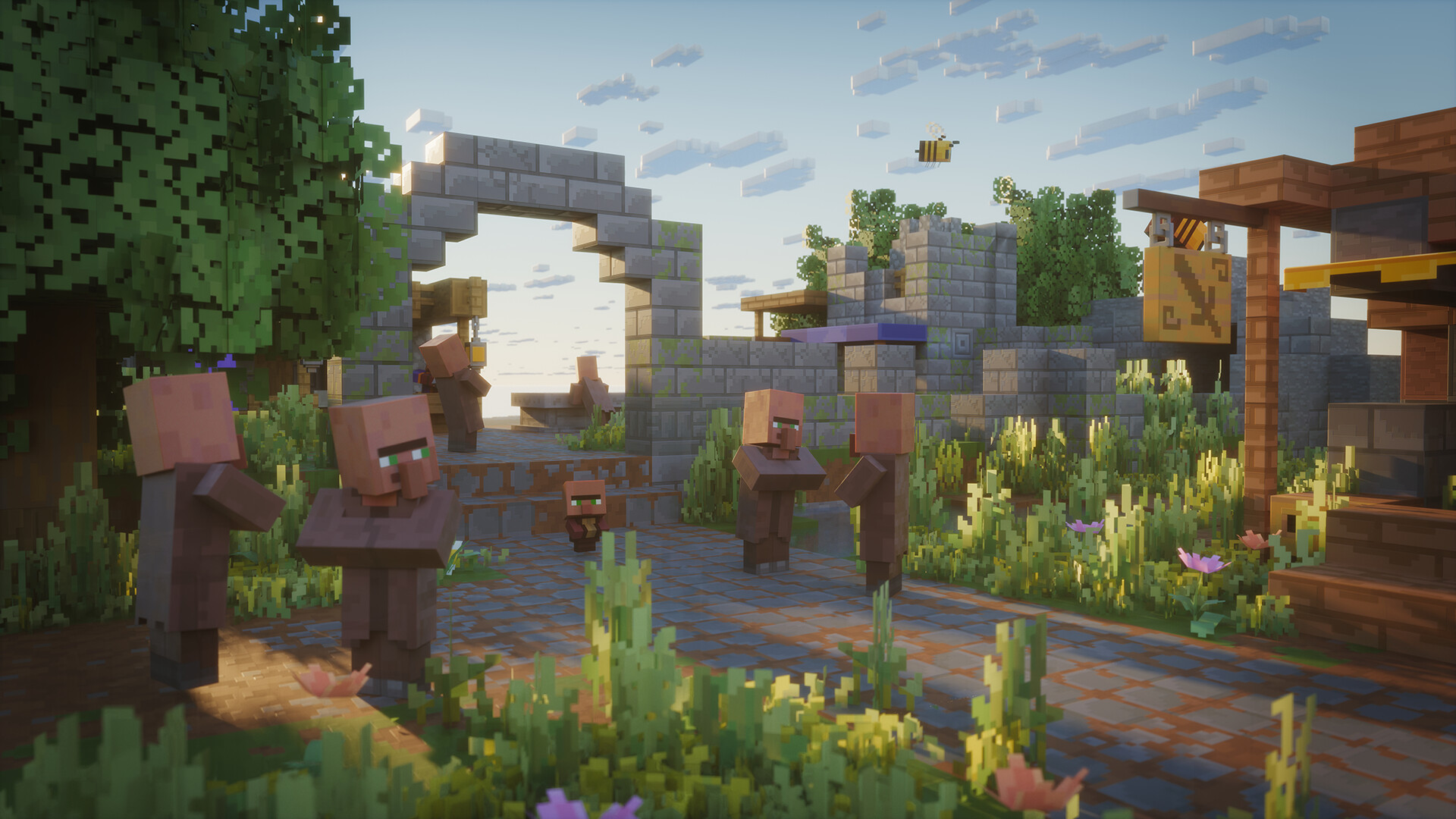
Minecraft Dungeons 2 was revealed at Minecraft Live (March 2026) and is slated for release in 2026. Co-developed by Mojang and Double Eleven, it will launch on PC, PlayStation 5, Xbox Series X|S and Nintendo Switch 1 & 2, be available on Xbox Game Pass on day one, and is currently wish-listable on Steam. Near-term market impact is limited, though day-one inclusion on Game Pass modestly supports Xbox's content pipeline and subscriber value.
Microsoft’s bundling of new high-profile content into its subscription flywheel changes monetization dynamics more than headline IP value. Launch-day inclusion trades away a bit of upfront retail revenue in exchange for much higher trial/engagement rates that can meaningfully lift ARPU through DLC, cosmetics, and season passes over 6–12 months; monitor Xbox monthly active users and in-game transaction revenue in the next 1–3 quarters as the primary signal of success.
The supply-side winners extend beyond the platform owner: middleware and live-ops specialists (engine tooling, backend-as-a-service, QA/continuous-deployment vendors) see longer tails of recurring revenue because live-service dungeon-crawlers keep players engaged for years rather than weeks. Conversely, mid-tier publishers that rely on one-time boxed sales face margin pressure — subscription bundling compresses price discovery and forces higher upfront marketing or forced discounting to compete for the same attention.
Key risks are operational and reputational: a weak launch or poorly received monetization can create outsized churn in the first 30 days and trigger social-media backlash that reduces lifetime spend by 20–40% vs expectations; regulatory scrutiny of subscription packaging and platform revenue share is a 12–24 month tail risk that could force re-pricing of bundled economics. A fast reversal could come from competing platforms responding with aggressive exclusive content windows or promotional pricing, which would materially slow subscriber growth trends over two consecutive quarters.
The consensus is underweighting the asymmetric benefit to owners of the subscription stack: short-term headline sales will look worse but the present value of recurring microtransaction flows and cross-sell into other subscription content can be 2–4x higher over a 3‑5 year horizon if retention holds. Watch Steam wishlist momentum, first-week concurrent player peaks, and Day‑30 retention as high-conviction, quick-read indicators to reweight exposure.
AI-powered research, real-time alerts, and portfolio analytics for institutional investors.
Request DemoOverall Sentiment
mildly positive
Sentiment Score
0.25
