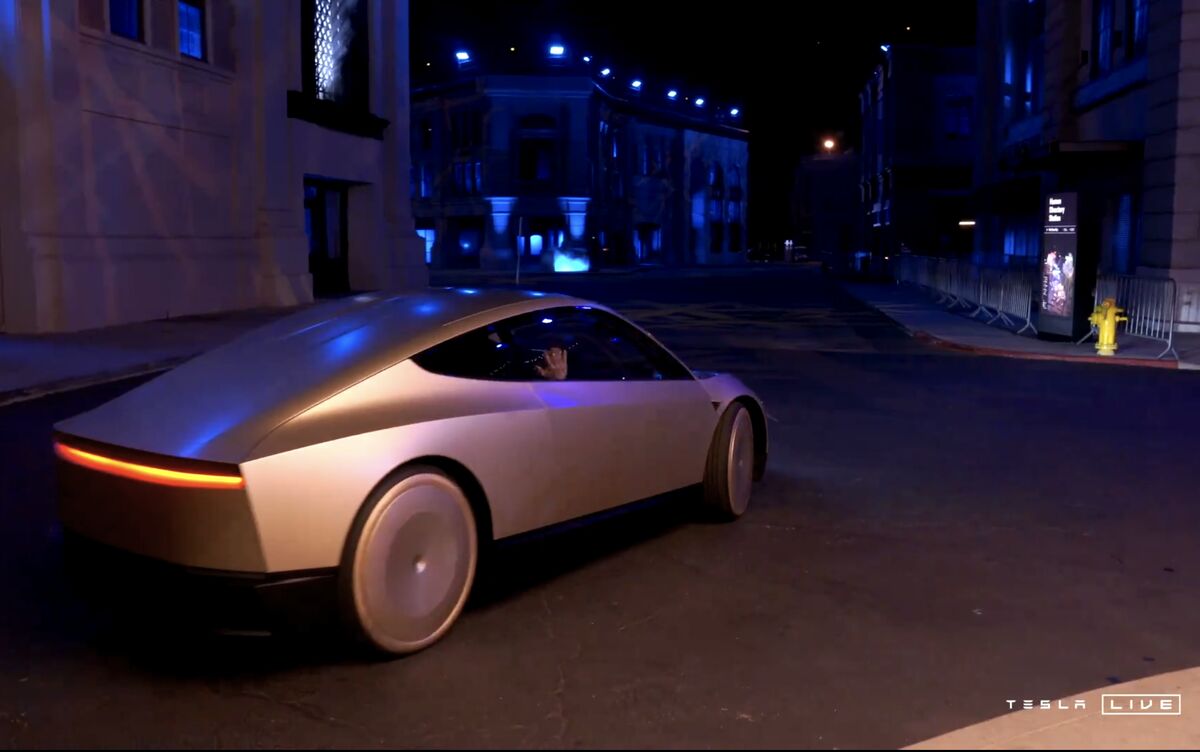
Despite early optimism and widespread predictions of imminent adoption by 2015, the development of reliable self-driving cars has faced significant setbacks. This delay is primarily attributed to excessive development costs, inherent technical complexity, and heightened regulatory scrutiny following incidents involving partial-automation systems, leading some legacy automakers and startups to abandon their autonomous vehicle efforts.
The autonomous vehicle sector is undergoing a significant market correction after a period of peak optimism around 2015 failed to materialize into widespread deployment. The initial hype, spurred by events like the Darpa challenge, has given way to a more pessimistic outlook driven by three primary headwinds: excessive development costs, profound technological complexity, and heightened regulatory scrutiny. Notably, this increased oversight from regulators is a direct consequence of crashes involving existing partial-automation systems, which has dampened industry momentum. The financial and technical pressures have been substantial enough to force some legacy automakers and startups to abandon their self-driving programs entirely, signaling a potential consolidation and a fundamental reassessment of the timeline and capital required to achieve reliable, fully autonomous transportation.
AI-powered research, real-time alerts, and portfolio analytics for institutional investors.
Request DemoOverall Sentiment
moderately negative
Sentiment Score
-0.50
