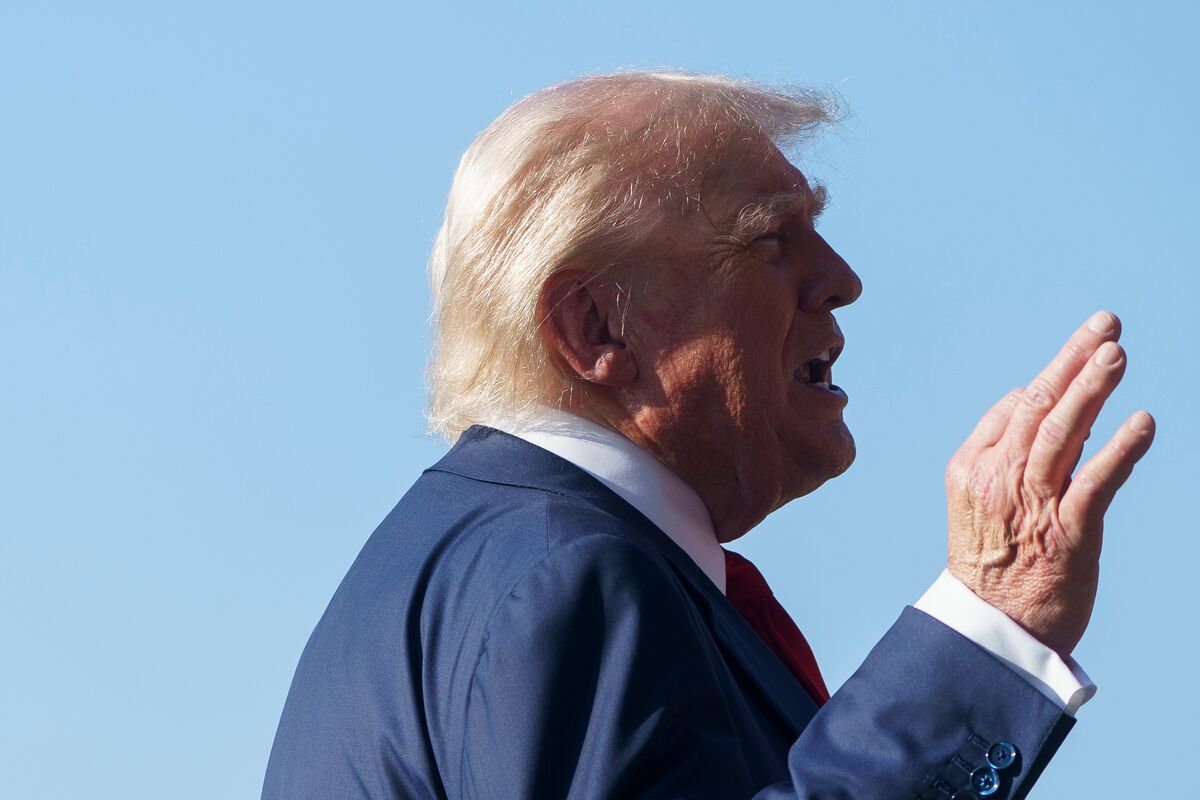
President Trump imposed new tariffs ahead of a trade deadline, levying 15% on South Korean imports, matching Japan's rate, and a significant 25% on Indian imports, citing India's purchases of Russian energy and weapons. These actions underscore escalating global trade tensions and geopolitical considerations as the US seeks to establish a new international trade order.
The Trump administration has intensified its global trade offensive by levying new, targeted tariffs on key Asian partners, signaling a significant escalation ahead of a self-imposed deadline. A 15% tariff on South Korean imports brings the country in line with terms previously set for Japan, suggesting a strategic regional realignment. More critically, the imposition of a punitive 25% tariff on Indian imports, explicitly linked to India's purchases of Russian energy and weapons, demonstrates a clear fusion of trade policy with geopolitical objectives. This hawkish move introduces substantial uncertainty for companies reliant on supply chains from these nations and underscores that US trade relationships are increasingly contingent on broader foreign policy alignment, heightening risks for emerging market assets and global trade stability.
AI-powered research, real-time alerts, and portfolio analytics for institutional investors.
Request DemoOverall Sentiment
moderately negative
Sentiment Score
-0.60
