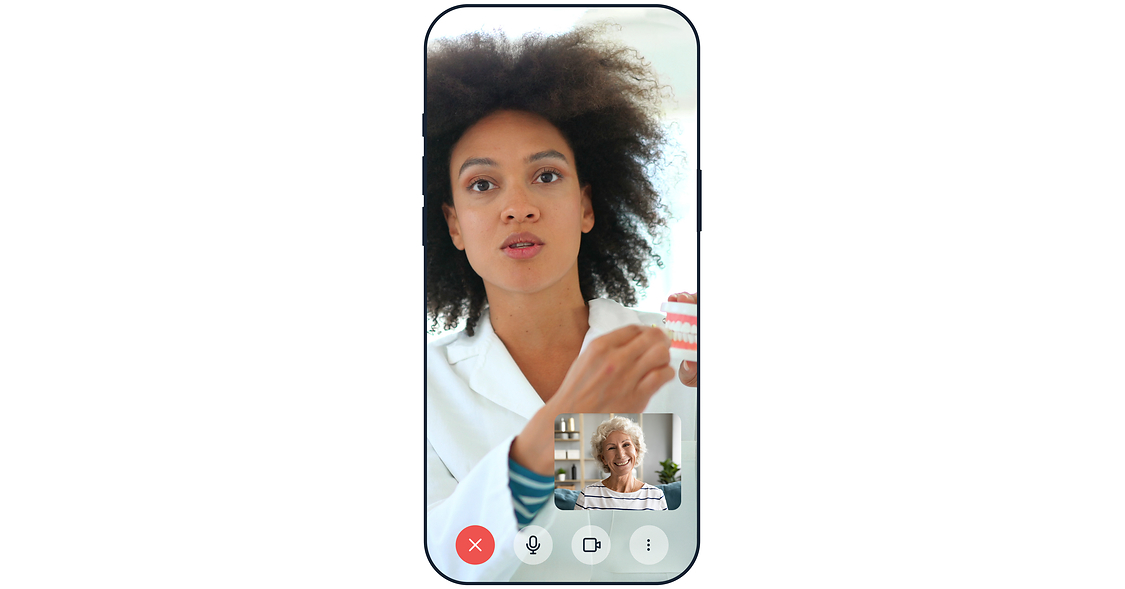
Bristle Health and Dentistry.One announced a strategic partnership to combine Bristle’s saliva oral microbiome testing (800+ bacterial and fungal species) with Dentistry.One’s virtual coaching, teledental consultations, and nationwide dental care navigation. Starting July 1, Bristle users can access Dentistry.One oral health coaching through the Bristle platform, with virtual dentist review and in-person provider coordination when needed. The deal positions salivary microbiome-driven preventive oral care for wider rollout across consumer, employer, health plan, and population health programs.
This reads less like a step-function product breakthrough and more like distribution engineering. The economic value is in lowering friction between a consumer test and a repeatable care pathway, which matters because most preventive health products fail at the follow-through step, not the science. If the workflow actually improves conversion and retention, the near-term winner is the platform layer that can sell recurring coaching and navigation, while the longer-run monetization belongs to any payer/employer channel that can recast it as a lower-cost prevention benefit.
Second-order, the pressure point is on generic oral-care spending and low-intensity teledental triage. A personalized plan can shift dollars from commodity toothpaste/rinse toward higher-margin supplements, devices, and provider visits, which is a small but real mix benefit for category leaders that can plug into the regimen. The more interesting competitive angle is data ownership: whoever sits on repeated microbiome results and behavior data may build a proprietary risk-scoring asset that is harder to replicate than the test itself.
The main risk is the test-to-outcome gap. If users do not change behavior, or if payers do not see measurable downstream savings within 1-3 quarters, this stays a wellness marketing story rather than a budget line item; that would cap valuation upside for the private companies involved. The contrarian view is that the market may be underestimating how quickly employer and health-plan pilots can scale if they show reduced urgent dental visits over 6-18 months, but that requires hard utilization data, not more press releases.
AI-powered research, real-time alerts, and portfolio analytics for institutional investors.
Request DemoOverall Sentiment
mildly positive
Sentiment Score
0.15
