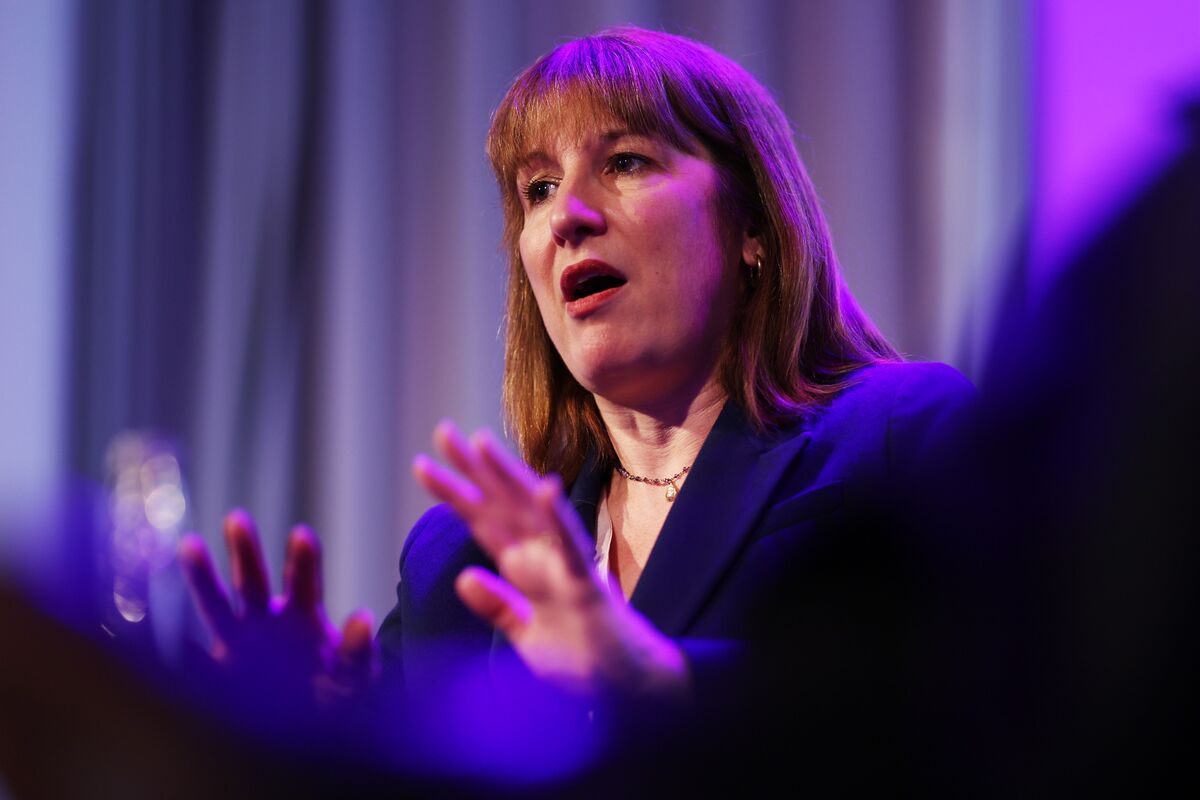
The UK's Office for Budget Responsibility (OBR) has admitted to a significant optimism bias in its medium-term growth forecasts, overestimating projections by an average of 0.3 percentage points at the two-year horizon and 0.7 points after five years, culminating in a 2.2-point cumulative overshoot over five years. This revelation, described as a blow to Chancellor Rachel Reeves, signals a potentially lower economic speed limit for the UK and necessitates a crucial summer evaluation, impacting future fiscal policy and investor assessments of UK economic potential.
The UK's Office for Budget Responsibility (OBR) has formally acknowledged a persistent optimism bias in its medium-term economic forecasts, a development with significant negative implications for the country's fiscal outlook. The fiscal watchdog's own evaluation reveals a systematic overestimation of growth by an average of 0.3 percentage points at the two-year horizon and 0.7 points at the five-year horizon, culminating in a 2.2-point cumulative error over five years. This admission effectively lowers the UK's perceived potential growth rate, or "economic speed limit," creating a more constrained environment for the new Chancellor, Rachel Reeves. The impending full evaluation of the economy's potential this summer is now a critical event, as its findings will directly dictate the fiscal headroom available for the new government's spending and taxation plans, likely confirming a more challenging economic reality than previously modeled.
AI-powered research, real-time alerts, and portfolio analytics for institutional investors.
Request DemoOverall Sentiment
moderately negative
Sentiment Score
-0.50
