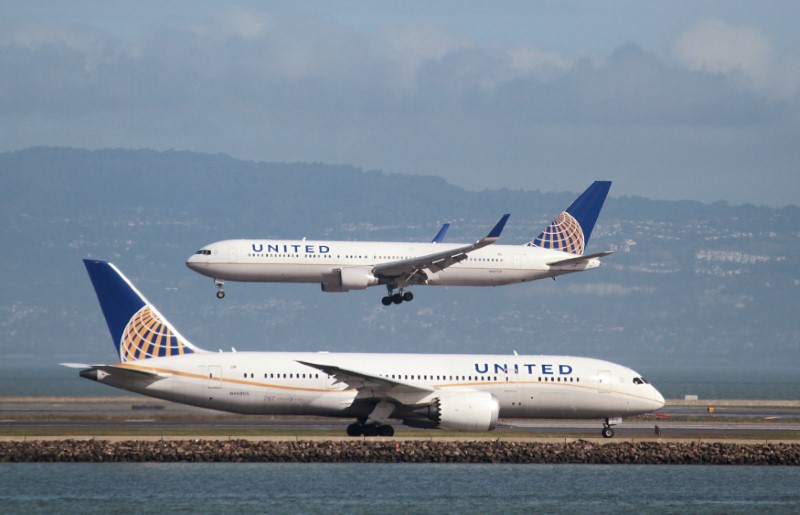
A March fuel-price spike is likely to affect roughly 15 days of Q1 results due to typical two-week fuel inventories, and UBS expects many U.S. carriers to issue mid-quarter updates this week with widespread suspension of FY2026 guidance. Triple‑digit oil prices create 'significant uncertainty' that shifts the industry to a defensive posture; UAL may see upside, AAL is most sensitive to fuel costs, while DAL and ALK should remain near targets. The sector’s trajectory hinges on fare pass-through ability and capacity discipline amid volatile Brent crude moves.
The market is treating the fuel move as a headline event, but the larger P&L story is the interaction between transient pricing spikes and durable capacity/contract levers. Airlines that can delay or avoid new labor payouts and those with younger, fuel-efficient fleets have asymmetrically more optionality to pass costs to consumers without volume loss; conversely, carriers with heavier widebody exposure, older fleets or imminent contract resets face outsized margin shock.
Second-order supply effects matter: sustained high jet fuel accelerates retirements of older frames, tightening the used-leasing market and compressing availability of fuel-efficient narrowbodies over 6–24 months, which benefits lessors and OEMs while pressuring smaller regional partners who cannot immediately re-fleet. Fuel volatility also raises counterparty credit risk among regional carriers and ground-handling contractors, increasing the chance of one-off operational disruptions that amplify headline earnings misses.
Key catalysts span timeframes: days-to-weeks for mid-quarter updates and management commentary on fare intent; weeks-to-months for crude trajectory driven by geopolitics (Hormuz risks, OPEC moves) or releases from strategic reserves; and 6–24 months for fleet and capacity responses. A tipping point for demand elasticity exists if fares rise persistently and yields lag RASM recovery — historical breakevens suggest consumer pullback becomes visible within 2–3 quarters of sustained real fare increases.
The consensus is underweighting the optionality of capacity discipline and fleet acceleration as a margin-preservation mechanism. If managements simultaneously execute modest capacity cuts (3–6%) and target incremental unit revenue, upside to the survivors can be non-linear; the market is pricing a uniform sector drawdown instead of a bifurcated outcome.
AI-powered research, real-time alerts, and portfolio analytics for institutional investors.
Request DemoOverall Sentiment
mildly negative
Sentiment Score
-0.25
Ticker Sentiment
