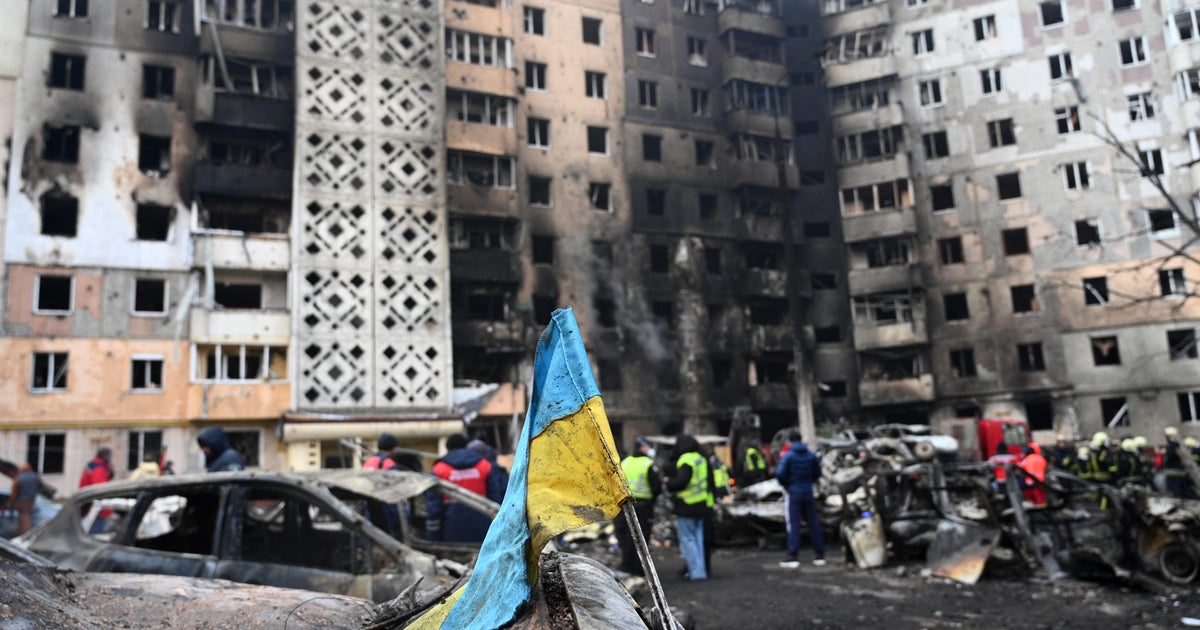
Trilateral talks between Ukrainian, Russian and U.S. officials opened in Abu Dhabi with Russia reiterating that Ukrainian forces must withdraw from the Donbas as a precondition for any peace deal, a demand Ukraine rejects. The territorial dispute remains the final sticking point after Russia's 2022 advances and annexations that most countries refuse to recognize, while Zelenskyy is pressing for Western security guarantees including a U.S. "backstop" and said a core security agreement is ready pending follow-up with President Trump. Continued uncertainty on territory and security guarantees sustains geopolitical risk that could keep markets in a risk-off stance and sustain volatility in defense and Europe-exposed assets.
Market structure: A protracted territorial stalemate most benefits defence primes (LMT, RTX, GD, NOC) and energy producers (XOM, CVX) via sustained procurement and an energy risk premium; gold miners (GDX) and sovereign safe-havens (TLT, GLD) also gain. Losers include Ukrainian assets, EM currencies (UAH, RUB volatility), European travel/tourism and regional banks exposed to sanctions. Supply/demand: expect sustained oil risk premia with 0.5–1.5 mbd tail-risk disruption potential and a 20–40% rise in realized crude volatility over the next 3–12 months. Cross-asset: anticipate USD strength and 10y UST rally in flight-to-quality (10y down 20–40 bps on shocks), higher VIX/OVX and wider credit spreads for EU banks.
Risk assessment: Tail scenarios include a major Russian push (20% probability next 3 months) causing oil +30–60% and equity drawdowns of 15–30%, versus a low-probability (15% in 3 months) US-backed security deal that leads to rapid de-risking. Time horizons: immediate (days) = volatility spikes; short-term (weeks–months) = defence/energy rallies; long-term (quarters–years) = structural EU energy re-routing and sustained defence budgets. Hidden dependencies: US election decisions and specific US ‘backstop’ wording can flip markets fast; weapons delivery pipelines and European domestic politics are second-order drivers. Key catalysts: Abu Dhabi outcomes, announced US guarantees (60–90 day horizon), major offensives, or unexpected sanctions shifts.
Trade implications: Favor overweight defence and energy for 3–12 month cycles, hedge with Treasuries and gold. Use directional option structures to limit capital (3–9 month call spreads on LMT/RTX; 3-month Brent call spreads) and tactical long-tail protection (long GLD or TLT). Pair trades: long defence vs short travel/airlines to isolate secular defence exposure from cyclical risk. Enter within 2–6 weeks, target +15–25% on equities, take-profit at 20–30% and hard stop at 10–12%.
Contrarian angles: Consensus prices elevated defence risk — a credible US security guarantee within 60–90 days could force a 15–30% re-rating downward in defence and energy; that risk is underpriced. Historical parallel: 2014–15 sanctions era created long-lived defence budgets and energy realignments; however, ceasefire normalization then was temporary — expect asymmetric outcomes. Unintended consequences: a frozen conflict accelerates EU green/energy diversification, pressuring majors (XOM/CVX) medium-term while boosting services/contractors for infrastructure.
AI-powered research, real-time alerts, and portfolio analytics for institutional investors.
Request DemoOverall Sentiment
moderately negative
Sentiment Score
-0.55
