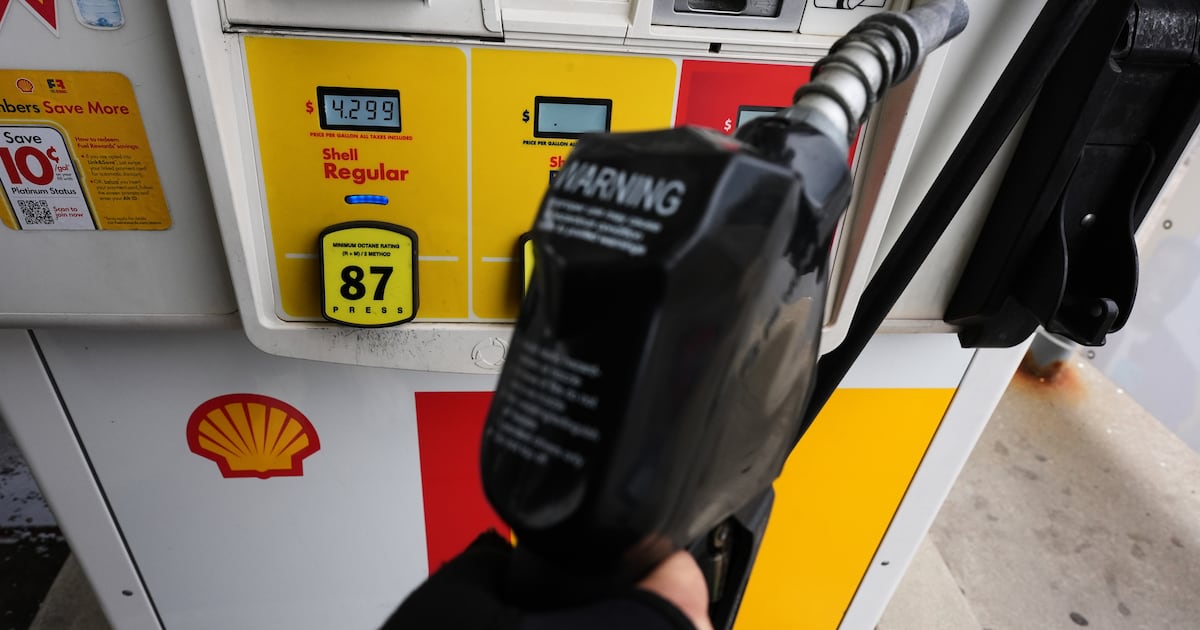
Georgia gas prices fell to $3.85 per gallon, down 14 cents from last week, though still 10 cents above last month and 96 cents above a year ago. AAA attributed the decline to lower crude oil prices tied to reported Iran peace talks, but warned prices could reverse quickly amid global uncertainty. The state gas tax suspension is set to expire at 11:59 p.m. June 2, which could push prices back higher if not extended.
The immediate beneficiary is the US consumer, but the first-order market impact is less about lower fuel spend and more about the timing of cash flow relief into a high-velocity summer travel window. That tends to support discretionary spend at the margin, but the bigger second-order effect is margin compression avoidance for logistics-heavy sectors: parcel, airlines, ride-hailing, and regional trucking all get a temporary input-cost tailwind before pricing catches up. The market usually underestimates how fast that benefit decays once gasoline moves from headlines into a lower-frequency expense line item.
The key risk is that this is a policy-and-geopolitics-driven dip, not a clean supply-demand reset. If the tax holiday rolls off, that can mechanically reprice pump costs overnight even if crude stays flat; if crude rebounds on any failure of diplomacy, the consumer relief window can close within days. That makes the setup more tactical than structural: the relevant horizon is one to four weeks for energy beta, and one to three months for consumption passthrough.
Consensus is likely too complacent about the reflexivity here. Cheaper gasoline can boost miles driven and travel demand, which partially offsets the consumer benefit while increasing refined-product demand into a system that may already be tight on summer inventories. In other words, lower prices can seed their own rebound if the move induces a demand response faster than upstream supply adjusts.
AI-powered research, real-time alerts, and portfolio analytics for institutional investors.
Overall Sentiment
mildly positive
Sentiment Score
0.15
