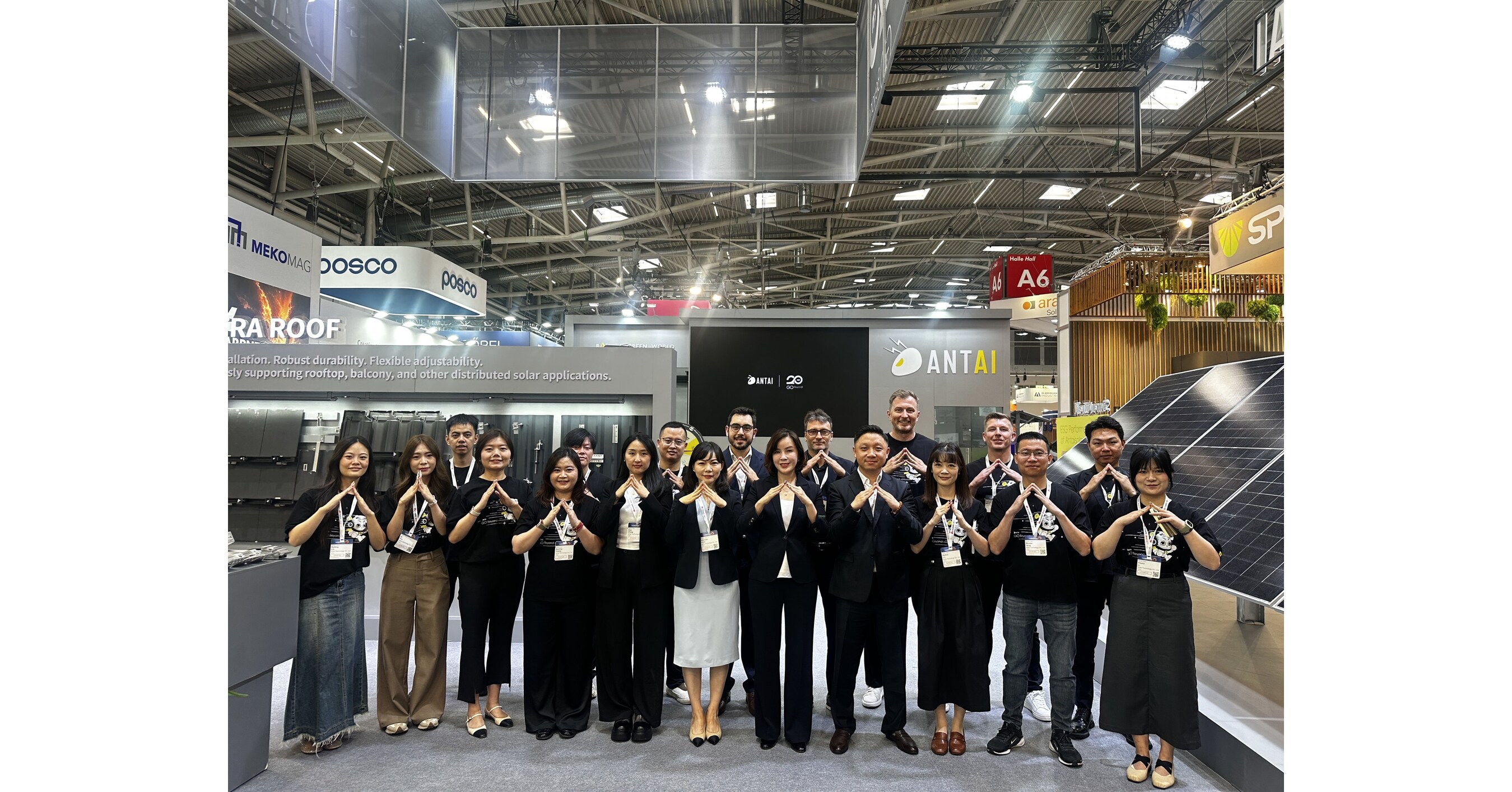
Antaisolar presentó en Intersolar Europe 2026 su solución de seguimiento Agri-PV, expandiéndose hacia el segmento agrícola con un sistema de altura libre ajustable de 1,3 a 5 metros y un control SmartTrail con “modo de cosecha”. El enfoque reduce la evaporación del suelo mediante el sombreado de paneles y busca un doble beneficio económico (energía + rendimiento agrícola). El evento también mostró el seguidor insignia 1P AT-Spark, con mejoras de rigidez (+40%) y resistencia (+50%), pero el impacto de mercado se percibe más como lanzamiento/branding que como cambio inmediato de resultados.
This is less about one company and more about where value accrues in the next leg of solar buildout: from module commoditization toward project-specific engineering, permitting, and field service. Agri-PV increases the importance of taller structures, load management, and crop-specific customization, which should widen the moat for tracker/mounting vendors with real execution capability and local support; that favors the NXT/ARRY universe structurally more than pure module suppliers.
Near term, the market is likely to ignore this as a niche feature launch, so there is no obvious catalyst for a sharp re-rate in days or weeks. Over 1-3 months, the key question is whether developers start referencing agrivoltaic pipelines in backlog commentary; if not, this remains a marketing narrative with little P&L impact. If adoption does show up, gross margin expansion could come from higher ASPs and service content, but steel intensity and custom engineering also raise working-capital and project-risk exposure.
The contrarian view is that agrivoltaics is being sold as a TAM expansion when the real constraint is regulatory and operational complexity. Crop-specific standards, insurance, and local permitting can push monetization out 6-18 months, so the first beneficiaries may be consultants and EPCs rather than public equities. The biggest second-order winner could be land-constrained developers in Europe and arid U.S. regions, while generic low-cost tracker vendors risk being squeezed if customers pay for integrated design and weather resilience.
AI-powered research, real-time alerts, and portfolio analytics for institutional investors.
Overall Sentiment
mildly positive
Sentiment Score
0.18
