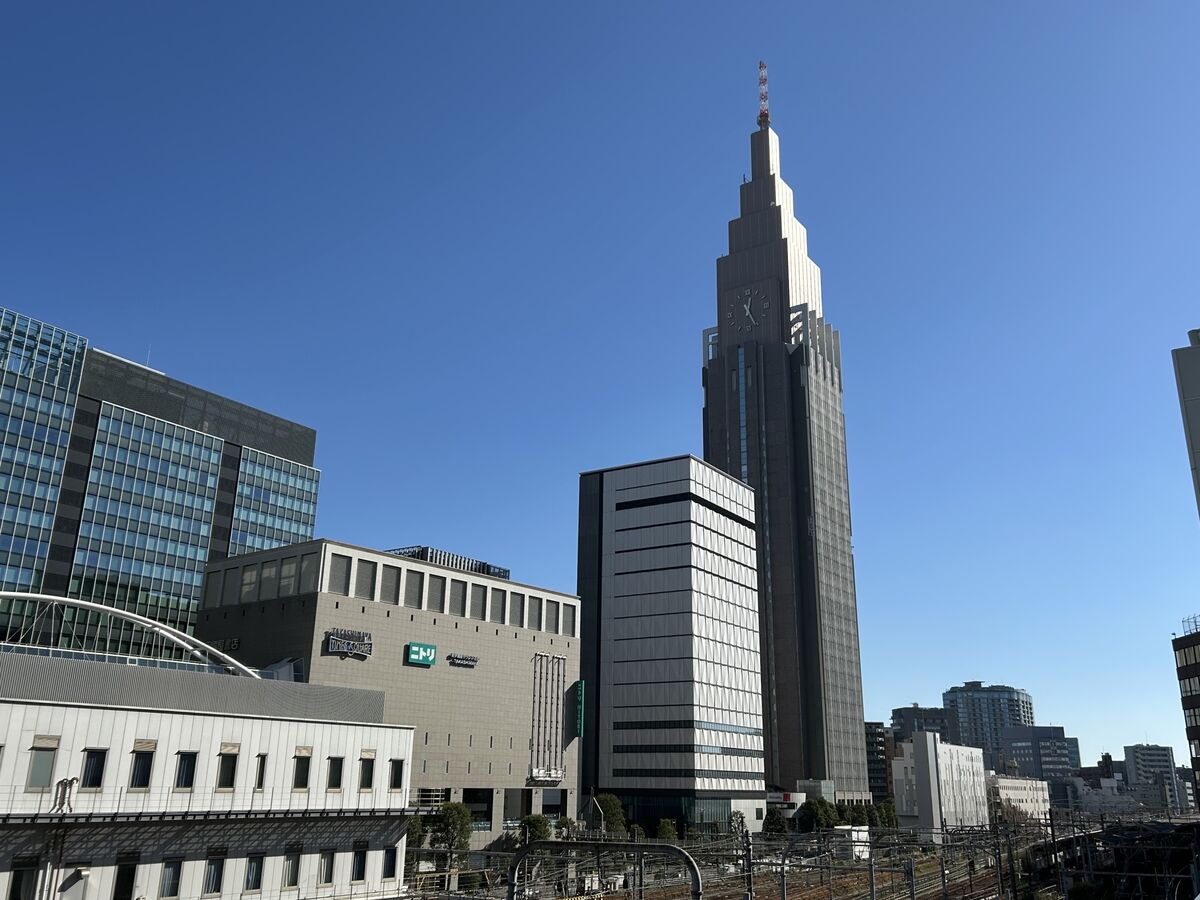
NTT Docomo is weighing a sale of the land surrounding four office buildings in the Tokyo metropolitan area, with total proceeds expected to exceed ¥100 billion (roughly $645 million), and has approached major property companies as potential buyers. The prospective disposals are aimed at shoring up the operator’s finances and would provide a material liquidity boost; investors should watch for timing, pricing and any broader signals about Docomo’s balance-sheet strategy or further asset divestments.
Market-structure: The ¥100bn+ (≈$645m) land sale is a modest but visible balance-sheet move that favors cash-rich developers/REITs able to bid for Tokyo core land (Mitsubishi Estate 8802.T, Mitsui Fudosan 8801.T, Sumitomo Realty 8830.T). NTT Docomo (9437.T) equity may see mild negative sentiment as the market interprets asset sales as liquidity management; localized Tokyo office landlords could face competitive repricing pressure during redevelopment cycles. Pricing power: selective premium for buyers with redevelopment capability; losers are lower-quality office REITs lacking repositioning optionality.
Risk assessment: Tail risks include a fire-sale at large discounts that impairs NAVs (bad-case: >20% haircut), unexpected parent guarantees that shift liabilities to NTT (9432.T), or regulatory/redevelopment delays (12–36 months). Immediate (days) volatility will follow deal rumours; short-term (weeks–months) is driven by bidder signalling and price discovery; long-term (years) depends on redeveloped supply and Tokyo office rent trajectories (risk of 0–3% local rent pressure). Hidden dependencies: tax treatment, land-use rezoning approvals, and interest-rate moves that change cap rates.
Trade implications: Tactical longs in large-cap developers with 6–12 month horizons (8802.T, 8801.T) capture redeployment upside; short selective office REITs (8951.T, 8952.T) for 3–9 months if bids imply supply increases or cap-rate compression fails to materialize. Options: purchase 3-month put spreads on 9437.T as an inexpensive hedge if the share price drops >3%, and buy 3–6 month call spreads on 8802.T keyed to announced acquisitions. Entry/exit: add on confirmed bid/contract within 90 days, trim into any >8% run-up.
Contrarian angles: The market underestimates the strategic upside if buyers pay premium to secure redevelopment sites—developers could generate IRRs north of 8–10% on rezoning-led projects, lifting acquirer multiples. Conversely, a sub-¥80bn sale or disclosure of distressed pricing would be a negative catalyst that could trigger >5% downside in 9437.T; that scenario is a buy-the-dip candidate for developers but a sell for Docomo until capitalization details are disclosed. Historical parallels (2010s corporate-land disposals) show a two-stage reaction: initial Docomo pain, medium-term developer gain as projects clear approvals.
AI-powered research, real-time alerts, and portfolio analytics for institutional investors.
Request DemoOverall Sentiment
mildly negative
Sentiment Score
-0.25
