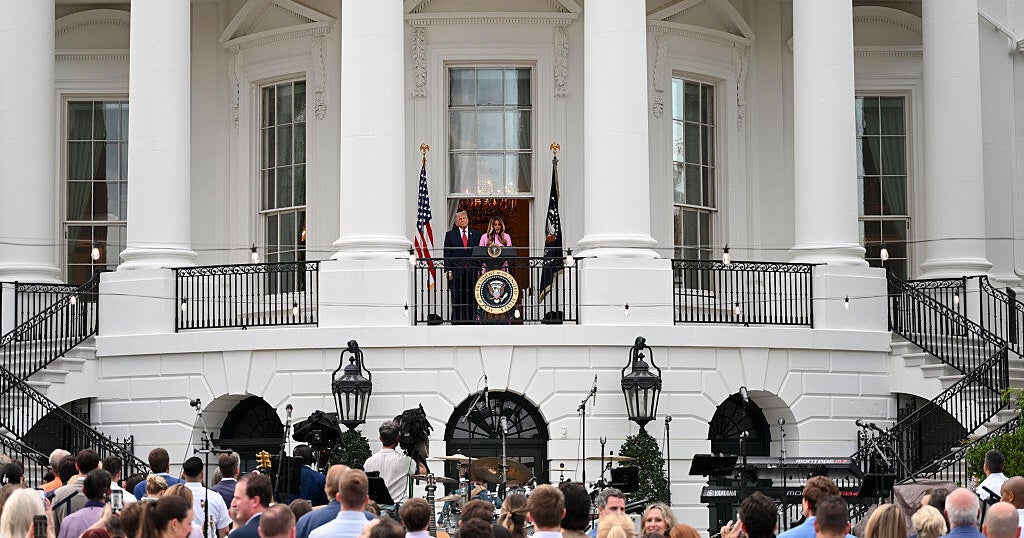
A federal judge issued a preliminary injunction requiring most White House staff to preserve records covered by the Presidential Records Act, rejecting the Justice Department's view that the law is unconstitutional. The order takes effect at 9 a.m. on May 26 and applies to key aides and offices including Susie Wiles, Stephen Miller, the NSC and the Council of Economic Advisers, though President Trump and Vice President JD Vance are excluded. The ruling is an important legal setback for the administration but is unlikely to have direct market impact.
This is less about the headline legality and more about the operating environment inside the executive branch: it raises the cost of moving fast, deleting, or informally communicating, which usually pushes sensitive work into channels that are easier to subpoena later. That tends to be mildly negative for political hardball strategies because it increases discovery risk and narrows the set of records that can be plausibly treated as ephemeral, but it is not a market-mover on its own. The bigger second-order effect is that it creates a temporary compliance regime before the next transition, which matters most if the administration was planning to rely on aggressive retention or off-books messaging.
The near-term catalyst is procedural, not economic. If the injunction survives, expect a longer-dated paper trail and more litigation over what counts as covered versus personal material; if it is narrowed or stayed, the administration regains discretion and the current market impact fades. The tail risk is reputational: any future records dispute tied to national security or election-related decision-making would amplify oversight pressure and could spill into agencies, counsel offices, and outside vendors that handle archives, document management, or secure communications.
From a trade perspective, this is a low-direct-alpha event for broad equities, but it does modestly improve the odds of headline volatility around governance-sensitive names and politically exposed sectors. The contrarian view is that the market is likely overestimating immediate policy effect and underestimating how much institutional process absorbs these rulings without changing actual behavior. In other words, this is more likely to create intermittent legal noise than a durable change in governance discount unless it is followed by contempt proceedings, a stay denial, or a second records-related scandal.
AI-powered research, real-time alerts, and portfolio analytics for institutional investors.
Request DemoOverall Sentiment
neutral
Sentiment Score
0.10
