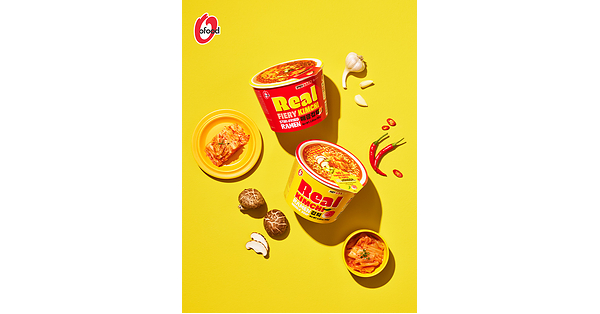
Daesang’s Ofood is pushing Korean HMR into mainstream U.S./Canadian retail via Amazon and Kroger (plus Costco and other chains), expanding tteokbokki distribution to 40+ countries. Tteokbokki sales grew ~12% YoY in 2025 and are up ~84% vs. 2021, alongside K-ramyun launches in Jan 2026 using fresh Jongga kimchi. The company is scaling production (including a rice-cake plant in Indonesia) and plans further Europe rollout, supporting a favorable growth narrative for the brand—though this appears more operational/marketing-focused than earnings-impacting.
This is more of an assortment-validation signal than a hard earnings catalyst. The incremental winners are the retailers that can turn niche ethnic CPG into repeat basket items: AMZN gets discovery and replenishment behavior online, while COST and KR can capture traffic from shoppers who treat imported HMR as a trial purchase and then add adjacent items. The economic lift is small in isolation, but if velocity persists it can justify more shelf space for Korean/Asian center-store sets, which displaces slower-turn legacy instant noodle and sauce SKUs rather than creating a new category out of thin air.
The second-order risk is that these launches are usually promotional first and durable only if repeat purchase clears the novelty hurdle. For retailers, the downside is working-capital and complexity: longer-tail imported SKUs can look great on launch but degrade gross margin return on inventory if shrink, freight, or compliance costs rise. For AMZN specifically, the stronger mechanism is not product margin but marketplace flywheel and ad spend from brands chasing Gen Z food trends; that is a months-long effect, not a day-one earnings driver.
The contrarian view is that the market may overestimate how much "K-food" expansion actually moves public equities. The listed beneficiaries are diffuse, while the real upside accrues to the private issuer and to unloved category managers who can refresh the shelf without discounting. The thesis would be falsified if scanner data over the next 1-2 quarters shows rapid post-launch fade, or if the items remain promo-dependent with no repeat velocity across Costco/Kroger/Amazon cohorts.
AI-powered research, real-time alerts, and portfolio analytics for institutional investors.
Overall Sentiment
mildly positive
Sentiment Score
0.25
Ticker Sentiment
