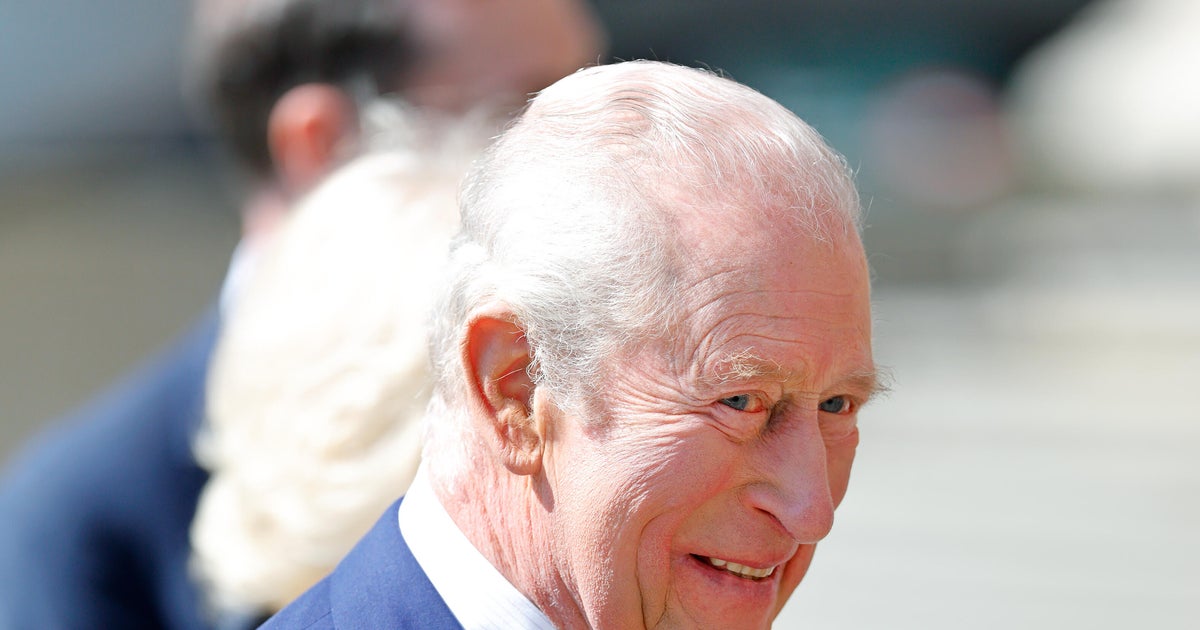
King Charles will visit the U.S. from Monday to Thursday to mark America’s 250th anniversary, with events including a joint address to Congress, a White House banquet, and a stop in New York City. The trip underscores U.S.-U.K. ties but comes amid strained relations following President Trump’s criticism of Prime Minister Keir Starmer and the U.K.’s military capability. The article is largely diplomatic and ceremonial, with limited direct market impact.
The market implication is not the ceremonial visit itself, but the signaling function: when bilateral ties are under strain, high-visibility statecraft tends to compress policy tail risks for sectors exposed to transatlantic coordination. That matters most for defense procurement, aviation, and any UK-listed names reliant on U.S. regulatory goodwill, where even a small improvement in tone can delay adverse headlines and support multiple expansion over the next 1-3 months.
The more interesting second-order effect is reputational asymmetry. Any congressional pressure around Andrew creates a low-probability, high-distraction event that could force Buckingham Palace into defensive mode just as it is trying to project stability. That is a downside catalyst for UK soft-power assets — tourism, luxury retail, and London-facing hospitality — because the visit’s intended halo effect could be diluted if media coverage shifts from diplomacy to scandal.
For U.S. assets, the visit is mildly supportive for companies with exposure to defense cooperation, premium travel, and event-driven spending, but the upside is likely already embedded unless there is a concrete policy deliverable. The bigger trade is in volatility: the next few trading sessions may price in headline risk more than earnings impact, which argues for tactical options rather than outright directional bets. If the trip produces a visible de-escalation, these moves can unwind quickly; if Congress escalates the Andrew issue, the downside in UK sentiment-sensitive names should be immediate but probably short-lived.
AI-powered research, real-time alerts, and portfolio analytics for institutional investors.
Overall Sentiment
neutral
Sentiment Score
-0.05
