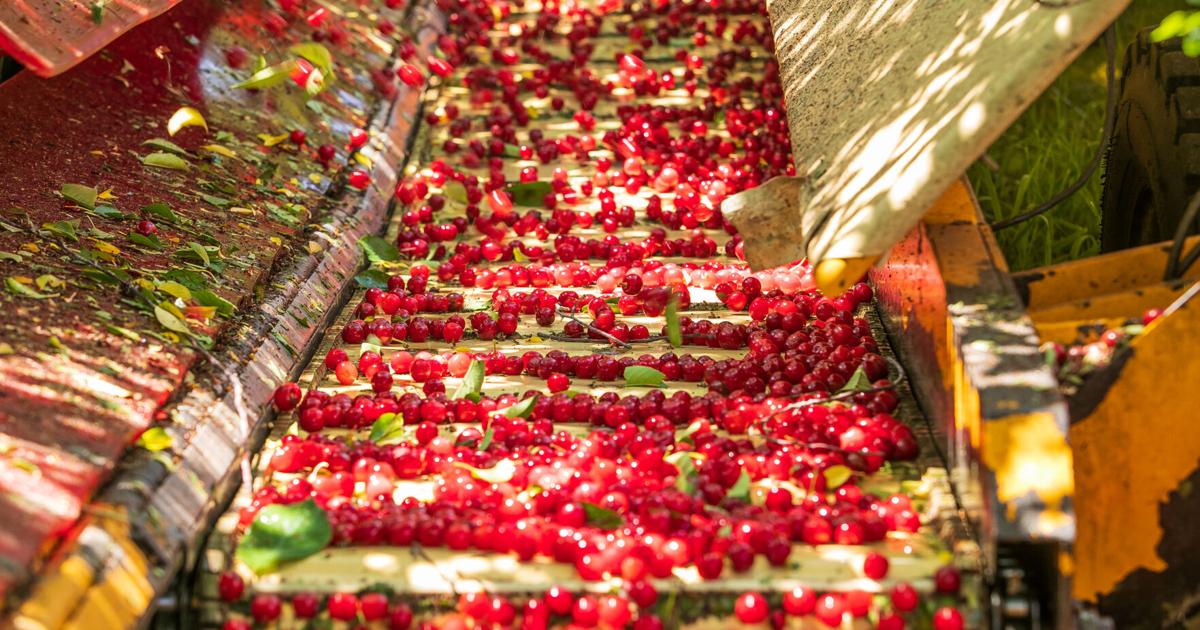
Michigan tart cherry growers and processors are facing a supply squeeze after repeated weather-related crop losses, with one farm saying it received only 10% of a normal harvest and may see dried cherry production fall to zero this season. The article says roughly 33 cents per pound is needed to grow tart cherries profitably, versus recent returns that have been significantly lower, pressuring growers and processors across the state. For food companies like Grocer’s Daughter Chocolate, the shortage is already hitting reorder availability.
This is less a one-off weather story than a signal that the regional cherry market is moving from a cyclical shortage into a structural capacity reset. When processors cannot guarantee raw material, they ration supply first to the highest-margin or most strategic customers, which means small specialty brands and spot buyers get pushed out long before supermarket shelf prices fully adjust. The second-order effect is margin dispersion: branded snack and confectionery firms with integrated or contract-backed sourcing should preserve share, while artisanal makers relying on seasonal spot procurement face volume collapse or forced recipe substitution.
The larger risk is that this becomes a pricing regime shift rather than a temporary crop hiccup. Once growers see repeated supply shocks, they will demand higher forward pricing or exit low-return orchards, which can keep raw cherry inflation elevated for multiple seasons even if weather normalizes. In that scenario, processors may choose to reduce SKU complexity and prioritize frozen or dried formats with better shelf-stability economics, creating persistent pressure on downstream users that need dried fruit inputs.
The market may be underestimating how much of this is a consumer-demand story disguised as a supply story. If retail prices rise 20-30% to restore farm economics, elasticity will be most severe in premium and giftable categories, where consumers can easily trade down to chocolate without inclusions or to cheaper fruit varieties. That makes this a potential share-shift event for incumbents with scale procurement and a headwind for niche brands whose value proposition depends on local, high-quality ingredients.
Contrarian angle: the near-term pain may be worse for processors than for growers if the shortage is temporary, because buyers who lose supply relationships may not regain them quickly. The real watch item is whether 2025 contract acreage expands; if not, the market is telling you this is not a single bad season but a multiyear supply-demand imbalance.
AI-powered research, real-time alerts, and portfolio analytics for institutional investors.
Request DemoOverall Sentiment
moderately negative
Sentiment Score
-0.35
