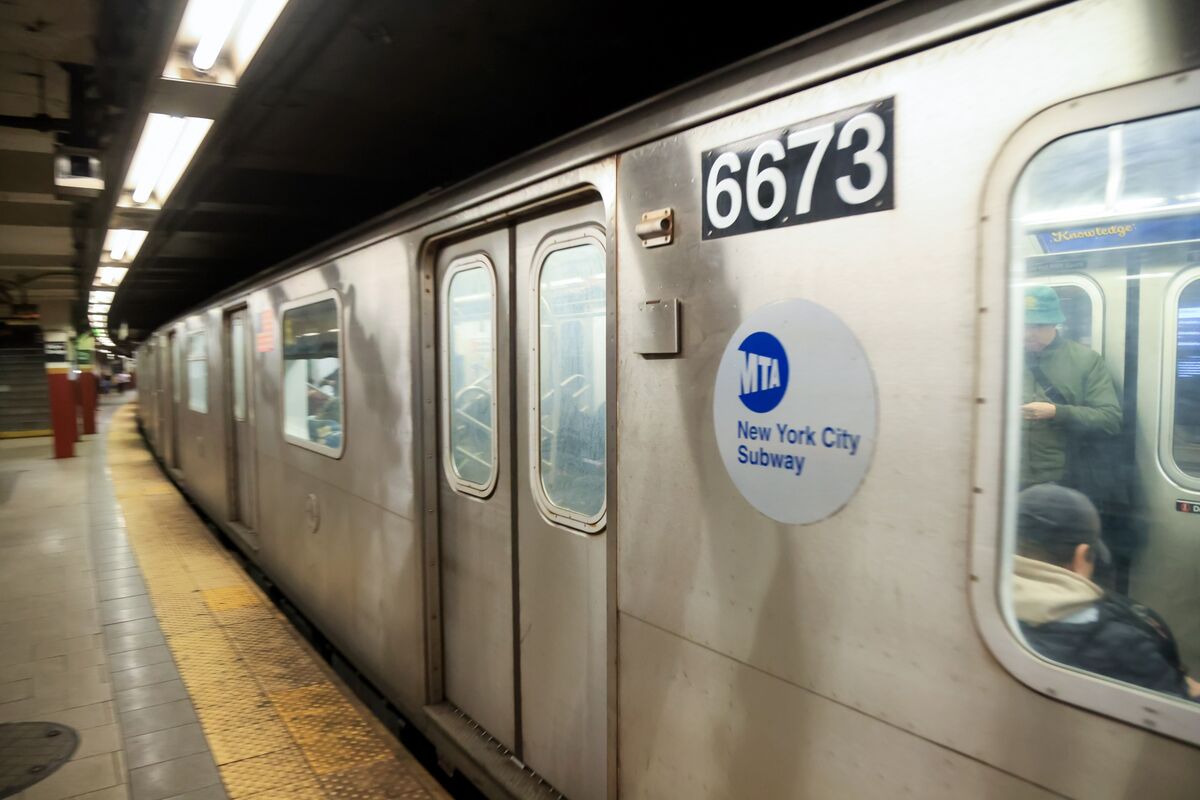
Labor talks between the MTA and Long Island Rail Road unions began abruptly amid a looming strike risk, after union leader Gilman Lang pressed the agency during a public board meeting. MTA CEO Janno Lieber then directed officials to meet with labor leaders in a separate room. The development raises operational risk for the transit network, but the article reports no deal, wage terms, or strike timing.
The immediate market impact is less about the rail operator itself and more about knock-on pressure on the broader New York transportation ecosystem. A credible strike threat creates a near-term stochastic shock to commuter reliability, which tends to hit discretionary urban consumption, office attendance, and time-sensitive freight/logistics flows first; even a short disruption can have outsized second-order effects because the region’s labor market is tightly coupled to rail access. The beneficiaries are alternative modes with spare capacity and pricing power, especially ride-hailing, parking, and last-mile logistics operators, while local retail and hospitality exposed to commuter traffic are the most vulnerable if negotiations deteriorate.
From a timing perspective, the key risk window is days to a few weeks, not months. Labor disputes often resolve at the last minute, but the tape usually prices the tail risk early and then snaps back violently if a work stoppage is averted. That creates a convex setup: the downside is a sharp but likely temporary disruption in mobility-dependent revenue, while the upside is that any deal or formal mediation could unwind the premium quickly, making outright directional bets on the transit system itself unattractive absent a clean catalyst.
The contrarian read is that the market may overestimate the probability of a prolonged strike and underestimate political incentives to avoid it. Because the agency is a de facto public utility, both sides have strong reasons to reach a face-saving compromise before reputational damage becomes material; that lowers the odds of a multi-week shutdown even if headlines remain noisy. The more durable takeaway is that recurring labor tension raises the option value of mode substitution over time, especially for operators that can monetize irregular commuter demand spikes.
The best expression is to trade the beneficiaries, not the headline risk. A short-dated volatility structure or event-driven long in alternative mobility names is preferable to a naked short on transit exposure, because resolution risk is high and the downside is mostly transient. If the dispute escalates, the trade should work quickly; if talks progress, the premium should decay fast.
AI-powered research, real-time alerts, and portfolio analytics for institutional investors.
Request DemoOverall Sentiment
mildly negative
Sentiment Score
-0.15
