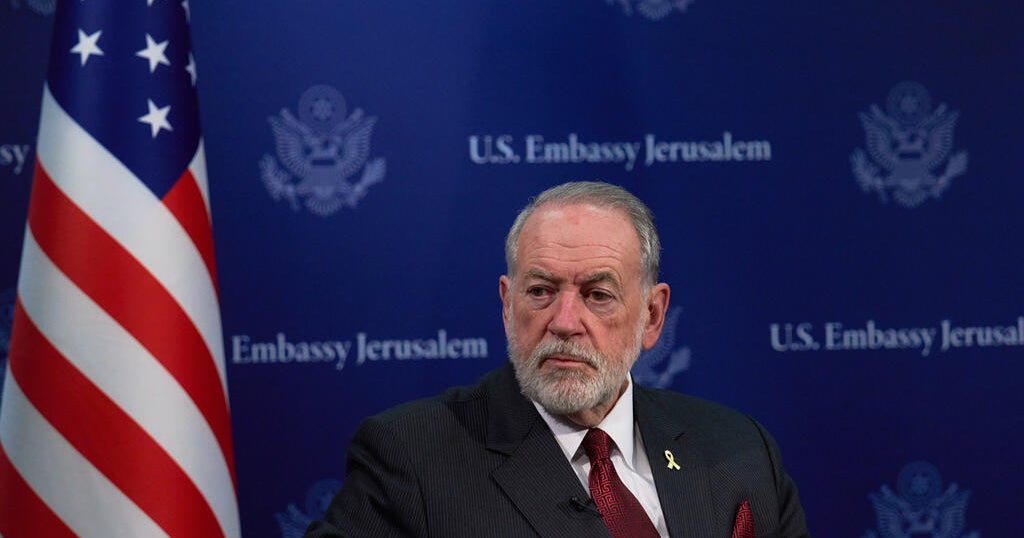
U.S. Ambassador to Israel Mike Huckabee said in a televised interview that Israel “would be fine if they took it all,” prompting condemnation from a broad coalition of Arab and Muslim countries and a U.S. embassy statement saying his remarks were taken out of context. The controversy highlights regional political sensitivities amid Israeli consolidation in Gaza’s east and expanded West Bank settlement activity, and contrasts with President Trump’s public assurances that he would block West Bank annexation. For investors, the episode is a geopolitical headline risk that could amplify regional political tensions but is unlikely on its own to trigger major market moves absent military escalation or policy shifts.
Market structure: Geopolitical rhetoric elevates idiosyncratic risk in the Levant, benefiting defense primes (LMT, NOC, RTX), oil producers (XOM, CVX) and safe havens (GLD, TLT) while pressuring regional equities, airlines and EM credit. Pricing power shifts toward integrated energy producers and defense contractors as buyers price in a 3–6 month probability of supply disruption and higher defense spend; airlines face immediate margin compression if Brent > $85/bbl for more than 4 weeks.
Risk assessment: Tail risks include rapid escalation (US direct action or wider regional war) that could spike Brent +20–40% and global risk premia, or a political U.S. policy reversal that reduces contingency and deflates defense trades. Near-term (days) expect FX safe-haven flows and bond rally; short-term (weeks–months) oil and credit spread moves; long-term (6–24 months) potential re-rating of defense sector and sovereign credit of Gulf/Levant nations. Hidden dependency: U.S. domestic politics (election cycle) can instantly alter policy and market direction.
Trade implications: Favor convex oil upside (3-month Brent call spread) and 6–12 month bullish exposure to defense equities while hedging with short exposure to airlines (DAL, UAL) or jet-fuel sensitive names. Use options to cap downside—buy call spreads on XOM/CVX and calendar/vertical call spreads on LMT/NOC to monetize rising implied vol.
Contrarian angles: Consensus might over-penalize Israeli equities and regional energy names; historical parallels (2014–2015 flare-ups) show selloffs often mean-revert within 6–12 weeks once diplomatic containment occurs. A disciplined dip-buy program on EIS and selected Israeli tech can capture 20–35% rebound if escalation stays limited; conversely large-scale shipping disruptions remain the asymmetric downside to hedge against.
AI-powered research, real-time alerts, and portfolio analytics for institutional investors.
Request DemoOverall Sentiment
moderately negative
Sentiment Score
-0.30
